Journal of Jilin University(Medicine Edition) ›› 2026, Vol. 52 ›› Issue (5): 1483-1490.doi: 10.13481/j.1671-587X.20260530
• Review • Previous Articles
Research progress in interaction of glycosylation and ubiquitination modifications in disease occurrence and development and viral infection
Yuan GAO,Wenying GAO,Wenyan ZHANG( )
- Institute of AIDS and Virology Research,First Hospital,Jilin University,Changchun 130021,China
-
Received:2025-03-03Accepted:2025-04-06Online:2026-09-28Published:2026-10-15 -
Contact:Wenyan ZHANG E-mail:zhangwenyan@jlu.edu.cn

CLC Number:
- R34
Cite this article
Yuan GAO,Wenying GAO,Wenyan ZHANG. Research progress in interaction of glycosylation and ubiquitination modifications in disease occurrence and development and viral infection[J].Journal of Jilin University(Medicine Edition), 2026, 52(5): 1483-1490.
share this article
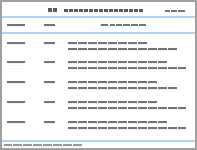
Tab.1
Interactions of glycosylation and ubiquitination modifications in disease and viral infection"
Disease classification | Disease | Cellular component | Mechanism | Literature |
|---|---|---|---|---|
| Cancer | Breast cancer | PD-1 | Incomplete glycosylation of PD-1 promotes its ubiquitination and degradation. | [ |
| MDM2 | MDM2 directs PD-1 degradation by facilitating its deglycosylation and subsequent ubiquitination coupling. | [ | ||
PD-L1 GSK-3β | Glycosylation of PD-L1 inhibits GSK-3β activity, thereby inhibiting GSK-3β- mediated ubiquitination and degradation of PD-L1. | [ | ||
PD-L1 TMUB1 | TMUB1 inhibits polyubiquitination of PD-L1 at the K281 site in the endoplasmic reticulum, and it enhances PD-L1 stability by recruiting STT3A to promote its N-glycosylation. | [ | ||
| B7-H4 | N-glycosylation of B7-H4 antagonizes its ubiquitination and subsequent degradation mediated by the E3 ligase AMFR. | [ | ||
| OV | SUN2 FBXO2 | FBXO2 is abnormally highly expressed, and it recognizes and targets glycosylated SUN2 for its ubiquitination degradation, thereby inhibiting apoptosis. | [ | |
| Cervical cancer | MLL5 OGT USP7 | The stability of MLL5 protein is synergistically regulated by OGT and USP7, and overexpression of OGT inhibits the ubiquitination of MLL5. | [ | |
| Liver cancer | XIST miR-424-5p RAF1 | Down-regulation of XIST and miR-424-5p reduces OGT expression, thereby inhibiting RAF1 glycosylation and promoting its ubiquitinated degradation. | [ | |
Infection | HCV VSV SARS-CoV-2 HIV | FUT8 EGFR RIG-Ⅰ | The envelope proteins of these viruses induce the production of FUT8; FUT8 inhibits endogenous RIG-Ⅰ-mediated antiviral immune evasion by enhancing EGFR-mediated activation of N-core fucosylation, and also promotes ubiquitinated degradation of RIG-Ⅰ. | [ |
Cardiovascular disease | Atherosclerosis myocarditis | A20 | O-GlcNAcylation of A20 is associated with ubiquitination and is involved in targeting it for ubiquitin-proteasome degradation. | [ |
| [1] | YOSHIDA Y, TAKAHASHI T, ISHII N, et al. Sugar-mediated non-canonical ubiquitination impairs Nrf1/NFE2L1 activation[J]. Mol Cell, 2024, 84(16): 3115-3127. |
| [2] | SCHJOLDAGER K T, NARIMATSU Y, JOSHI H J, et al. Global view of human protein glycosylation pathways and functions[J]. Nat Rev Mol Cell Biol, 2020, 21(12): 729-749. |
| [3] | SCHWARZ F, AEBI M. Mechanisms and principles of N-linked protein glycosylation[J]. Curr Opin Struct Biol, 2011, 21(5): 576-582. |
| [4] | OHTSUBO K, MARTH J D. Glycosylation in cellular mechanisms of health and disease[J]. Cell, 2006, 126(5): 855-867. |
| [5] | MALABY H L H, KOBERTZ W R. Molecular determinants of co- and post-translational N-glycosylation of type Ⅰ transmembrane peptides[J]. Biochem J, 2013, 453(3): 427-434. |
| [6] | BRELOY I, HANISCH F G. Functional roles of O-glycosylation[J]. Molecules, 2018, 23(12): 3063. |
| [7] | VARKI A. Biological roles of glycans[J]. Glycobiology, 2017, 27(1): 3-49. |
| [8] | STOWELL S R, JU T Z, CUMMINGS R D. Protein glycosylation in cancer[J]. Annu Rev Pathol Mech Dis, 2015, 10: 473-510. |
| [9] | PANDEY V K, SHARMA R, PRAJAPATI G K, et al. N-glycosylation, a leading role in viral infection and immunity development[J]. Mol Biol Rep, 2022, 49(8): 8109-8120. |
| [10] | RUDMAN N, GORNIK O, LAUC G. Altered N-glycosylation profiles as potential biomarkers and drug targets in diabetes[J]. FEBS Lett, 2019, 593(13): 1598-1615. |
| [11] | REGAN P, MCCLEAN P L, SMYTH T, et al. Early stage glycosylation biomarkers in Alzheimer’s disease[J]. Medicines, 2019, 6(3): 92. |
| [12] | FERRER C M, SODI V L, REGINATO M J. O-GlcNAcylation in cancer biology: linking metabolism and signaling[J]. J Mol Biol, 2016, 428(16): 3282-3294. |
| [13] | GOLDSTEIN G, SCHEID M, HAMMERLING U, et al. Isolation of a polypeptide that has lymphocyte-differentiating properties and is probably represented universally in living cells[J]. Proc Natl Acad Sci U S A, 1975, 72(1): 11-15. |
| [14] | DAMGAARD R B. The ubiquitin system: from cell signalling to disease biology and new therapeutic opportunities[J]. Cell Death Differ, 2021, 28(2): 423-426. |
| [15] | SLUIMER J, DISTEL B. Regulating the human HECT E3 ligases[J]. Cell Mol Life Sci, 2018, 75(17): 3121-3141. |
| [16] | WALCZAK H, IWAI K, DIKIC I. Generation and physiological roles of linear ubiquitin chains[J]. BMC Biol, 2012, 10(1): 23. |
| [17] | SWATEK K N, KOMANDER D. Ubiquitin modifications[J]. Cell Res, 2016, 26(4): 399-422. |
| [18] | WANG Y F, WANG F. Post-translational modifications of deubiquitinating enzymes: expanding the ubiquitin code[J]. Front Pharmacol, 2021, 12: 685011. |
| [19] | RASAEI R, SARODAYA N, KIM K S, et al. Importance of deubiquitination in macrophage-mediated viral response and inflammation[J]. Int J Mol Sci, 2020, 21(21): 8090. |
| [20] | BAILEY-ELKIN B A, KNAAP R C M, KIKKERT M, et al. Structure and function of viral deubiquitinating enzymes[J]. J Mol Biol, 2017, 429(22): 3441-3470. |
| [21] | PAN S, CHEN R. Pathological implication of protein post-translational modifications in cancer[J]. Mol Aspects Med, 2022, 86: 101097. |
| [22] | ZHANG Y, ZENG L R. Crosstalk between ubiquitination and other post-translational protein modifications in plant immunity[J]. Plant Commun, 2020, 1(4): 100041. |
| [23] | YOSHIDA Y, CHIBA T, TOKUNAGA F, et al. E3 ubiquitin ligase that recognizes sugar chains[J]. Nature, 2002, 418(6896): 438-442. |
| [24] | ZHAO J X, HUA J, ZHAN Y H, et al. O-GlcNAcylation stimulates the deubiquitination activity of USP16 and regulates cell cycle progression[J]. J Biol Chem, 2024, 300(4): 107150. |
| [25] | SEO B A, KIM D, HWANG H, et al. TRIP12 ubiquitination of glucocerebrosidase contributes to neurodegeneration in Parkinson’s disease[J]. Neuron, 2021, 109(23): 3758-3774. |
| [26] | HAUENSTEIN A V, XU G Z, KABALEESWARAN V, et al. Evidence for M1-linked polyubiquitin-mediated conformational change in NEMO[J]. J Mol Biol, 2017, 429(24): 3793-3800. |
| [27] | WU Z, CAO Z J, YAO H, et al. Coupled deglycosylation-ubiquitination cascade in regulating PD-1 degradation by MDM2[J]. Cell Rep, 2023, 42(7): 112693. |
| [28] | LI C W, LIM S O, XIA W Y, et al. Glycosylation and stabilization of programmed death ligand-1 suppresses T-cell activity[J]. Nat Commun, 2016, 7: 12632. |
| [29] | SHI C Y, WANG Y, WU M J, et al. Promoting anti-tumor immunity by targeting TMUB1 to modulate PD-L1 polyubiquitination and glycosylation[J]. Nat Commun, 2022, 13(1): 6951. |
| [30] | SONG X X, ZHOU Z, LI H C, et al. Pharmacological suppression of B7-H4 glycosylation restores antitumor immunity in immune-cold breast cancers [J]. Cancer Discov, 2020, 10(12): 1872-1893. |
| [31] | JI J, SHEN J, XU Y X, et al. FBXO2 targets glycosylated SUN2 for ubiquitination and degradation to promote ovarian cancer development[J]. Cell Death Dis, 2022, 13(5): 442. |
| [32] | DING X D, JIANG W, ZHOU P P, et al. Mixed lineage leukemia 5 (MLL5) protein stability is cooperatively regulated by O-GlcNac transferase (OGT) and ubiquitin specific protease 7 (USP7)[J]. PLoS One, 2015, 10(12): e0145023. |
| [33] | BOUSSIOTIS V A. Molecular and biochemical aspects of the PD-1 checkpoint pathway[J]. N Engl J Med, 2016, 375(18): 1767-1778. |
| [34] | ZOU W P, WOLCHOK J D, CHEN L P. PD-L1 (B7-H1) and PD-1 pathway blockade for cancer therapy: Mechanisms, response biomarkers, and combinations[J]. Sci Transl Med, 2016, 8(328): eaad7118. |
| [35] | ZHANG N Z, LI M, XU X, et al. Loss of core fucosylation enhances the anticancer activity of cytotoxic T lymphocytes by increasing PD-1 degradation[J]. Eur J Immunol, 2020, 50(11): 1820-1833. |
| [36] | OKADA M, CHIKUMA S, KONDO T, et al. Blockage of core fucosylation reduces cell-surface expression of PD-1 and promotes anti-tumor immune responses of T cells[J]. Cell Rep, 2017, 20(5): 1017-1028. |
| [37] | ZHOU X A, ZHOU J D, ZHAO L, et al. KLHL22 maintains PD-1 homeostasis and prevents excessive T cell suppression[J]. Proc Natl Acad Sci U S A, 2020, 117(45): 28239-28250. |
| [38] | WADE M, LI Y C, WAHL G M. MDM2, MDMX and p53 in oncogenesis and cancer therapy[J]. Nat Rev Cancer, 2013, 13(2): 83-96. |
| [39] | FREEMAN G J, LONG A J, IWAI Y, et al. Engagement of the PD-1 immunoinhibitory receptor by a novel B7 family member leads to negative regulation of lymphocyte activation[J]. J Exp Med, 2000, 192(7): 1027-1034. |
| [40] | DELLA-FAZIA M A, CASTELLI M, PIOBBICO D, et al. The ins and outs of HOPS/TMUB1 in biology and pathology[J]. FEBS J, 2021, 288(9): 2773-2783. |
| [41] | PODOJIL J R, MILLER S D. Potential targeting of B7-H4 for the treatment of cancer[J]. Immunol Rev, 2017, 276(1): 40-51. |
| [42] | LV X B, LIU L J, CHENG C, et al. SUN2 exerts tumor suppressor functions by suppressing the Warburg effect in lung cancer[J]. Sci Rep, 2015, 5: 17940. |
| [43] | WANG Z W, LIU P D, INUZUKA H, et al. Roles of F-box proteins in cancer[J]. Nat Rev Cancer, 2014, 14(4): 233-247. |
| [44] | ZHANG X M, NOVERA W, ZHANG Y, et al. MLL5 (KMT2E): structure, function, and clinical relevance[J]. Cell Mol Life Sci, 2017, 74(13): 2333-2344. |
| [45] | ZONG Y Y, ZHANG Y Z, HOU D S, et al. The lncRNA XIST promotes the progression of breast cancer by sponging miR-125b-5p to modulate NLRC5[J]. Am J Transl Res, 2020, 12(7): 3501-3511. |
| [46] | NING D, CHEN J, DU P C, et al. The crosstalk network of XIST/miR-424-5p/OGT mediates RAF1 glycosylation and participates in the progression of liver cancer[J]. Liver Int, 2021, 41(8): 1933-1944. |
| [47] | BASTIAN K, SCOTT E, ELLIOTT D J, et al. FUT8 alpha-(1, 6)-fucosyltransferase in cancer[J]. Int J Mol Sci, 2021, 22(1): 455. |
| [48] | PAN Q, XIE Y, ZHANG Y, et al. EGFR core fucosylation, induced by hepatitis C virus, promotes TRIM40-mediated-RIG-Ⅰ ubiquitination and suppresses interferon-Ⅰ antiviral defenses[J]. Nat Commun, 2024, 15: 652. |
| [49] | LI S, LIU X Y, PAN Q, et al. Hepatitis C virus-induced FUT8 causes 5-FU drug resistance in human hepatoma Huh7.5.1 cells[J]. Viruses, 2019, 11(4): 378. |
| [50] | WERTZ I E, O’ROURKE K M, ZHOU H L, et al. De-ubiquitination and ubiquitin ligase domains of A20 downregulate NF-κB signalling[J]. Nature, 2004, 430(7000): 694-699. |
| [51] | KARRI U, HARASIMOWICZ M, CARPIO TUMBA M, et al. The complexity of being A20: from biological functions to genetic associations[J]. J Clin Immunol, 2024, 44(3): 76. |
| [52] | SHRIKHANDE G V, SCALI S T, SILVA C GDA, et al. O-glycosylation regulates ubiquitination and degradation of the anti-inflammatory protein A20 to accelerate atherosclerosis in diabetic ApoE-null mice[J]. PLoS One, 2010, 5(12): e14240. |
| [53] | ORTIZ-MEOZ R F, JIANG J Y, LAZARUS M B, et al. A small molecule that inhibits OGT activity in cells[J]. ACS Chem Biol, 2015, 10(6): 1392-1397. |
| [54] | TIBULLO D, GIALLONGO C, ROMANO A, et al. Mitochondrial functions, energy metabolism and protein glycosylation are interconnected processes mediating resistance to bortezomib in multiple myeloma cells[J]. Biomolecules, 2020, 10(5): 696. |
|
||