吉林大学学报(工学版) ›› 2026, Vol. 56 ›› Issue (10): 2515-2523.doi: 10.13229/j.cnki.jdxbgxb.20250487
• 车辆工程·机械工程 •
喷孔结构对氢气射流特性的影响
解方喜1,2( ),刘雨昂1,2,金兆辉1,2(),赵哲1,2,杨书鉴1,2,王瑞1,2
- 1.吉林大学 汽车底盘集成与仿生全国重点实验室,长春 130022
2.吉林大学 汽车工程学院,长春 130022
Influence of nozzle structure on the characteristics of hydrogen jet
Fang-xi XIE1,2(),Yu-ang LIU1,2,Zhao-hui JIN1,2(),Zhe ZHAO1,2,Shu-jian YANG1,2,Rui WANG1,2
- 1.National Key Laboratory of Automotive Chassis Integration and Bionics,Jilin University,Changchun 130022,China
2.College of Automotive Engineering,Jilin University,Changchun 130022,China
摘要:
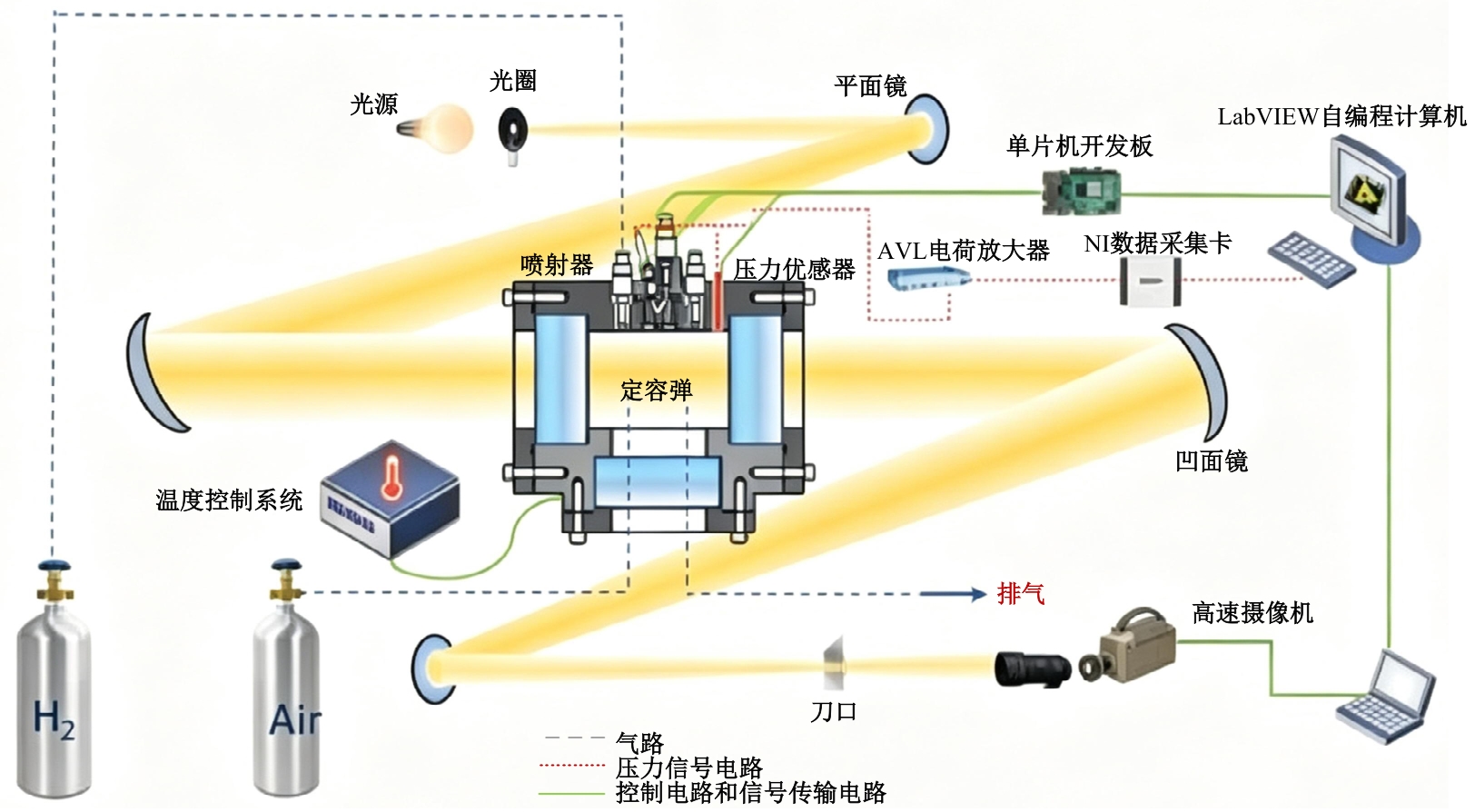
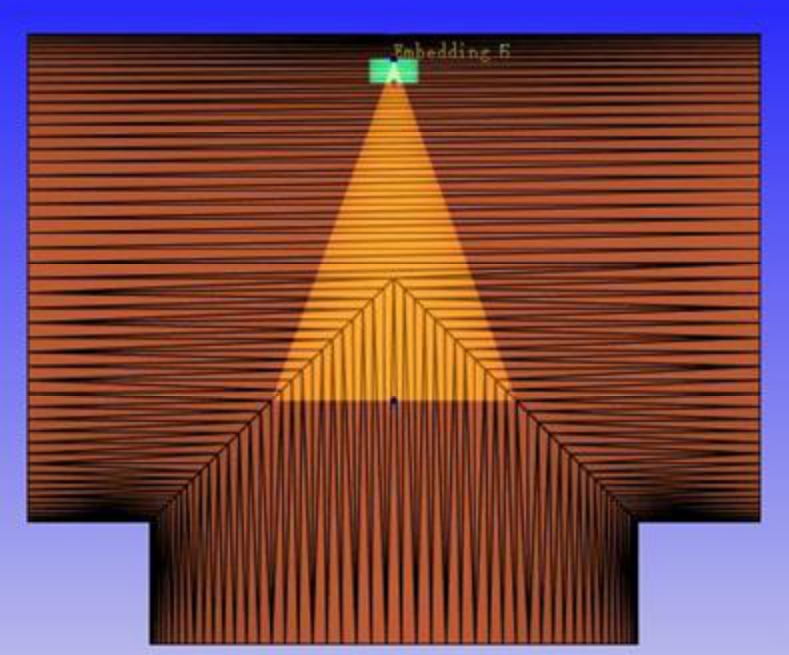
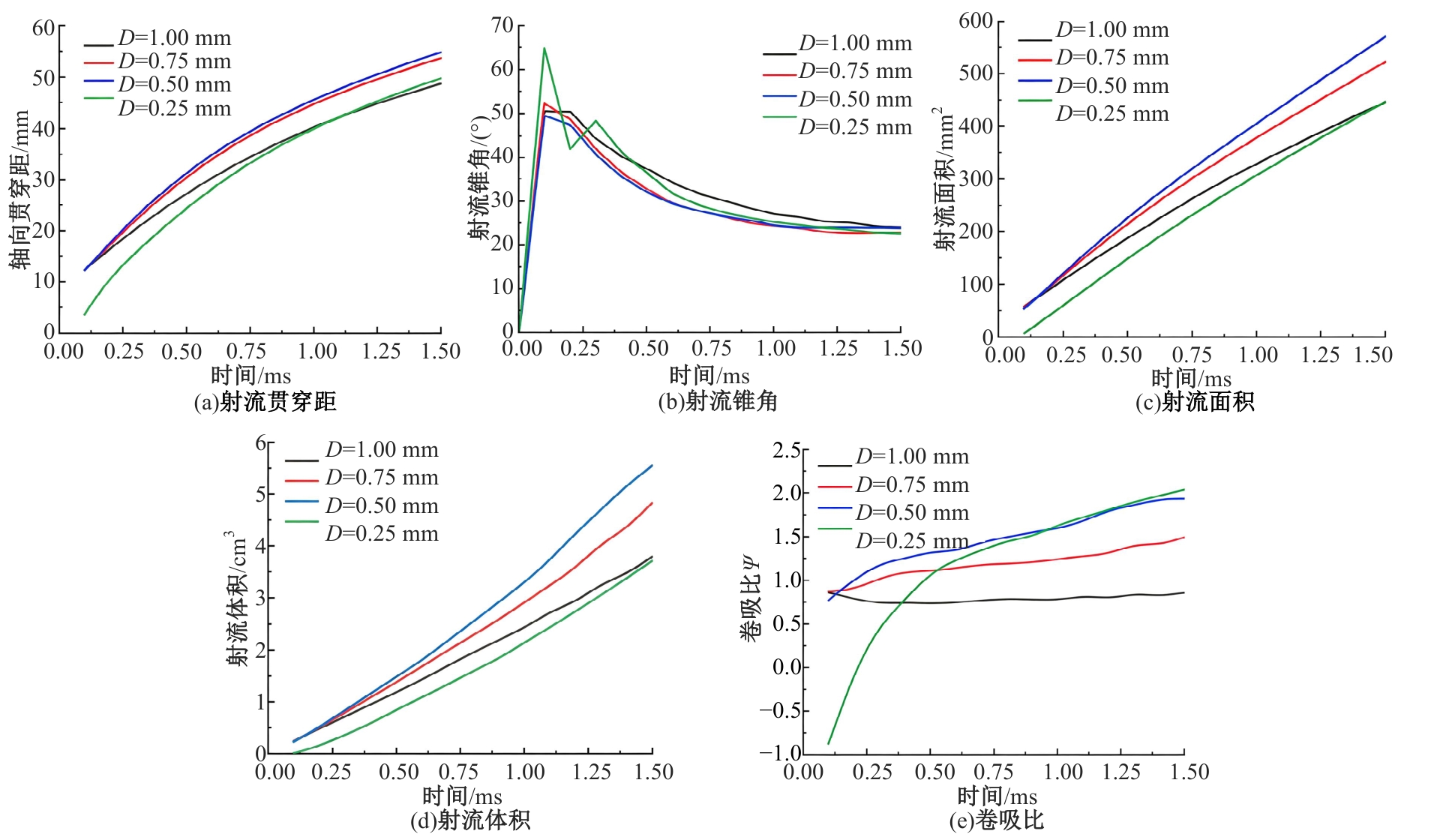
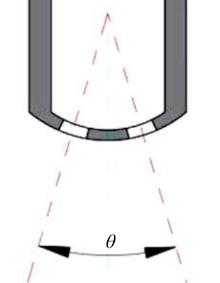
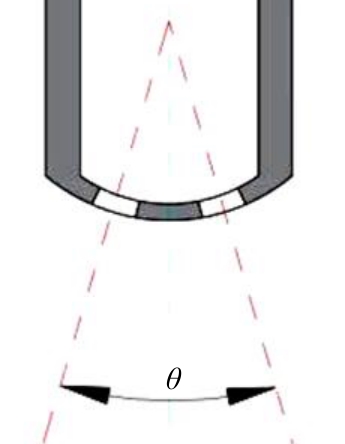
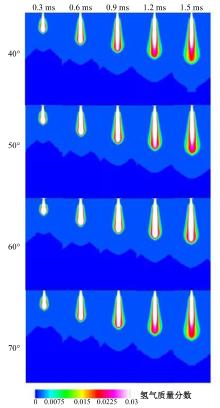
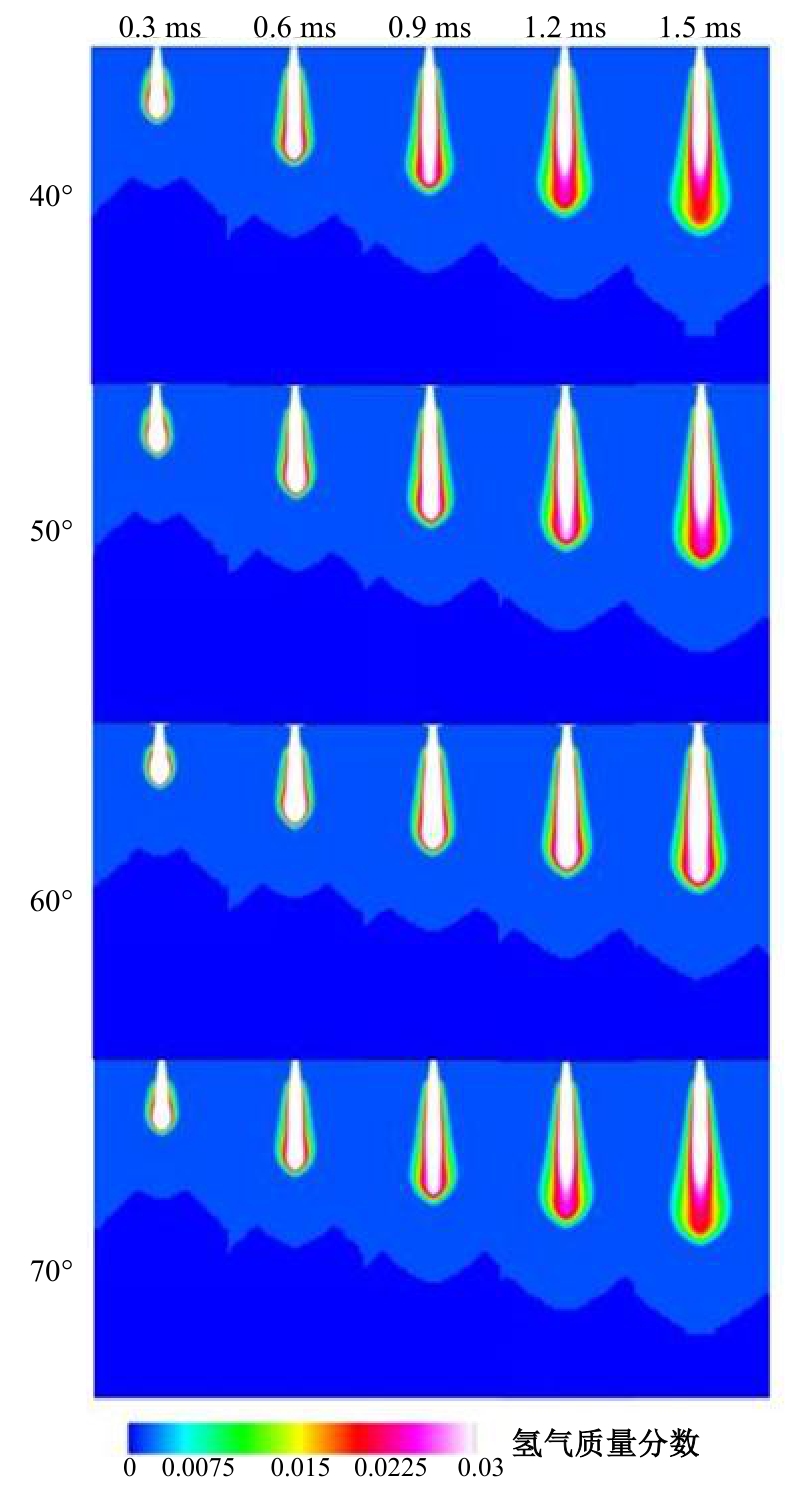
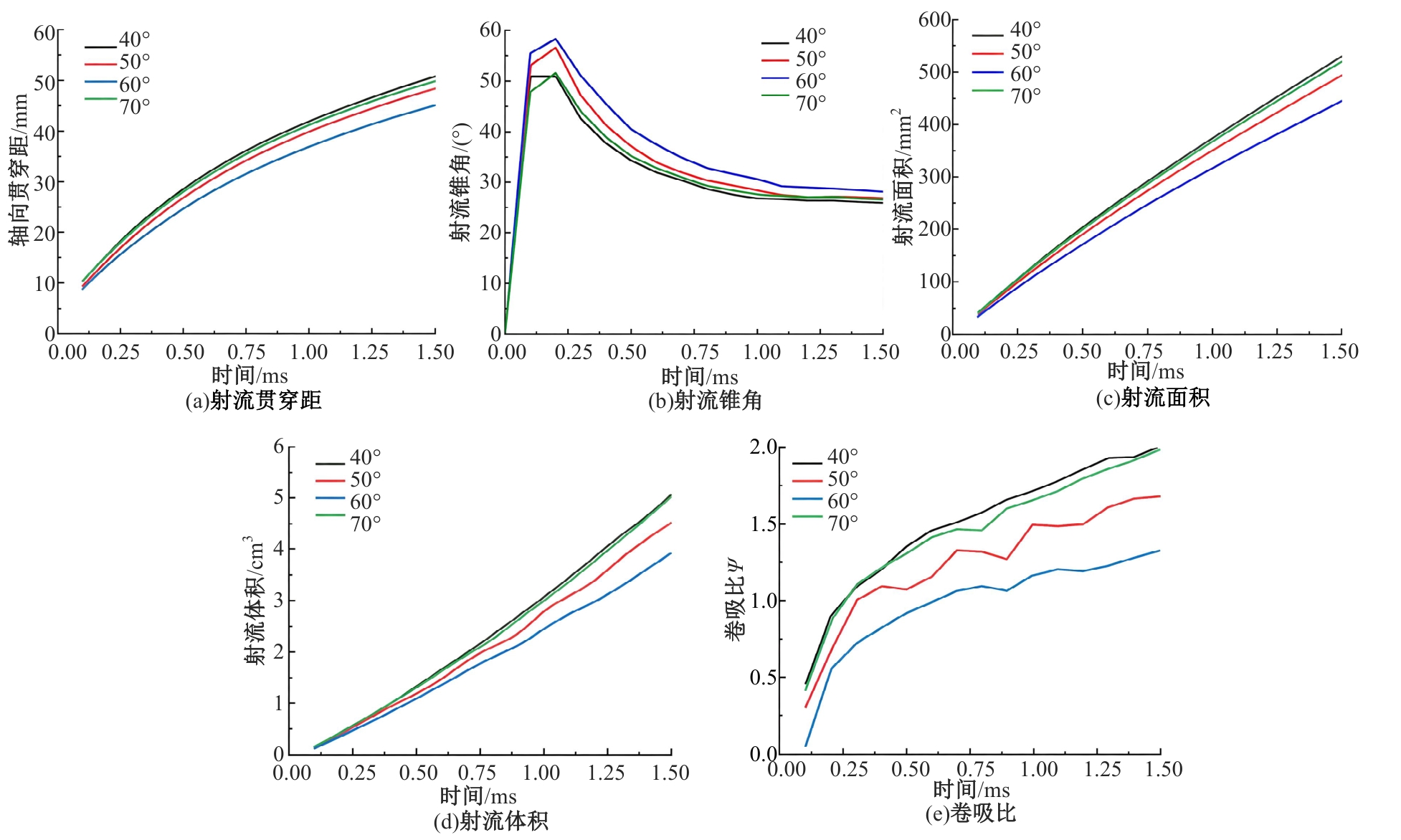
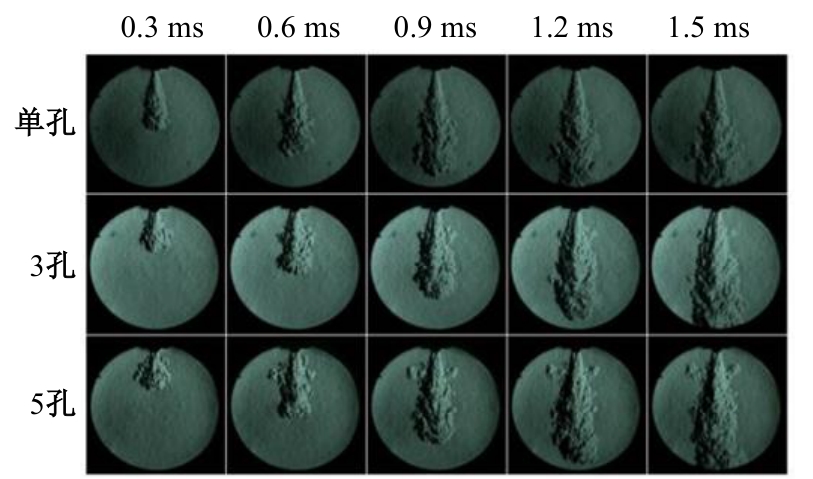
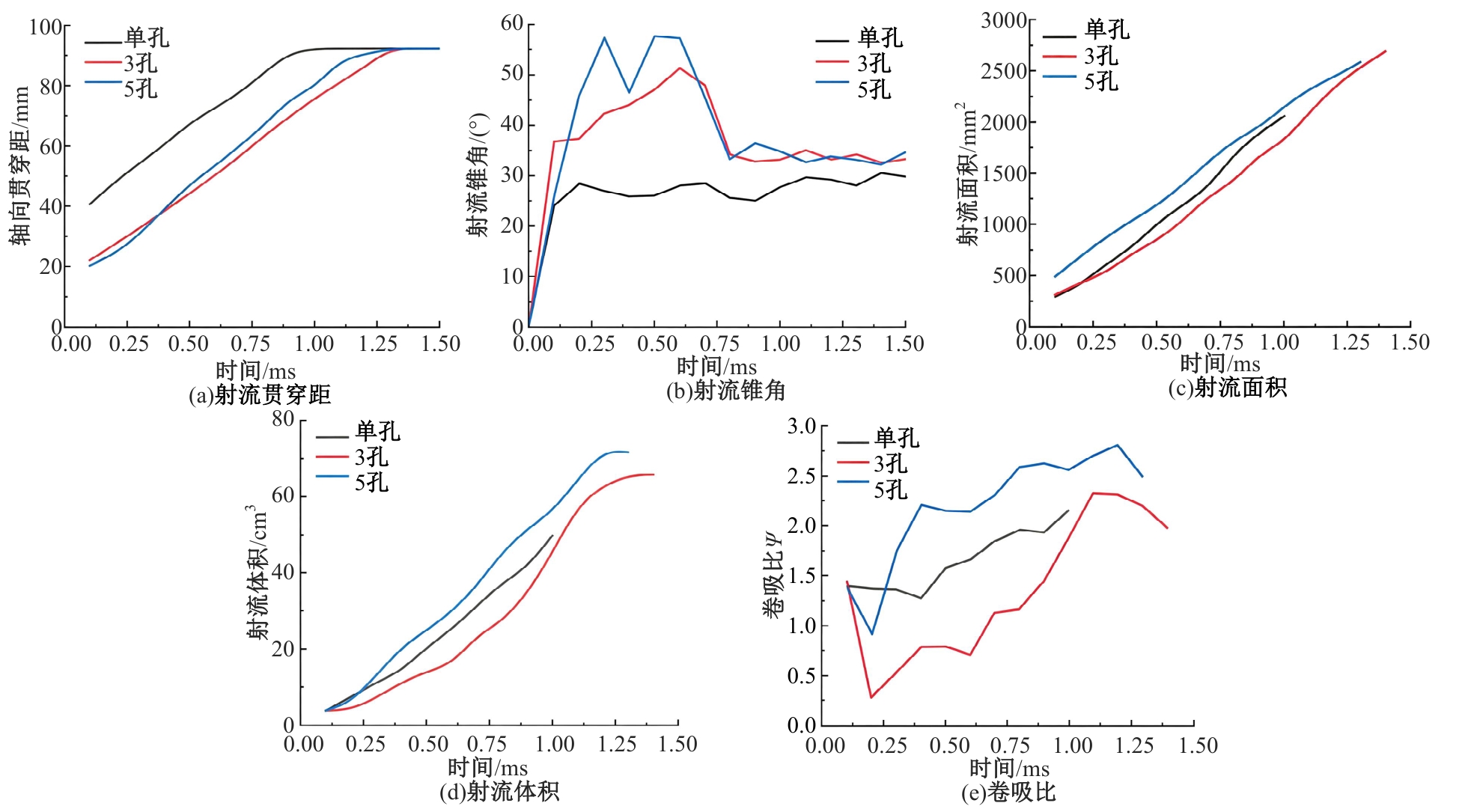
基于定容弹试验平台以及CONVERGE软件搭建的定容弹仿真模型,研究了喷孔结构(喷孔直径、喷孔间锥角、喷孔数量)对氢气射流特征参数的影响规律。研究发现:喷孔直径增大时,氢气射流贯穿距、面积、体积及卷吸比均先增大后减小。小孔径射流初始锥角较大,所有孔径的射流锥角最终趋于稳定;喷孔间锥角增大时,射流贯穿距、面积、体积及卷吸比先减小后增加,射流锥角则先增后减;喷孔数量增加时,射流贯穿距、面积、体积及卷吸比均先减后增,多孔射流的稳定锥角更大。研究结果揭示了喷孔结构与氢气射流特性间的关系,可为氢气喷射系统优化提供依据。
中图分类号:
- TK463

| [1] | Coratella C, Tinchon A, Oung R, et al. Experimental investigation of the combined impact of backpressure with the pintle dynamic on the hydrogen spray exiting a medium pressure DI outward-opening injector[J]. International Journal of Hydrogen Energy, 2024, 49: 432-449. |
| [2] | Yip H L, Srna A, Yuen A C Y, et al. A review of hydrogen direct injection for internal combustion engines: towards carbon-free combustion[J]. Applied Sciences, 2019, 9(22): 4842. |
| [3] | Verhelst S. Recent progress in the use of hydrogen as a fuel for internal combustion engines[J]. International Journal of Hydrogen Energy, 2014, 39(2): 1071-1085. |
| [4] | Ahmed A, Al-Amin A Q, Ambrose A F, et al. Hydrogen fuel and transport system: a sustainable and environmental future[J]. International Journal of Hydrogen Energy, 2016, 41(3): 1369-1380. |
| [5] | Duan J, Liu F, Sun B. Backfire control and power enhancement of a hydrogen internal combustion engine[J]. International Journal of Hydrogen Energy, 2014, 39(9): 4581-4589. |
| [6] | Luo Q H, Sun B G. Inducing factors and frequency of combustion knock in hydrogen internal combustion engines[J]. International Journal of Hydrogen Energy, 2016, 41(36): 16296-16305. |
| [7] | Yamane K. Hydrogen fueled ICE, successfully overcoming challenges through high pressure direct injection technologies: 40 years of Japanese hydrogen ICE research and development[C]∥SAE Technical Paper, 2018-01-1145. |
| [8] | 张孚, 陈海娥, 李骏, 等. 预燃室内氢喷射参数对氨内燃机燃烧的影响[J]. 吉林大学学报:工学版, 2025, 55(12): 3804-3813. |
| Zhang Fu, Chen Hai-e, Li Jun,et al. The influence of hydrogen injection parameters in the pre-combustion chamber on the combustion of ammonia internal combustion engines[J]. Journal of Jilin University(Engineering and Technology Edition), 2025, 55(12): 3804-3813. | |
| [9] | Wang X, Sun B G, Luo Q H, et al. Visualization research on hydrogen jet characteristics of an outward-opening injector for direct injection hydrogen engines[J]. Fuel, 2020, 280: 118710. |
| [10] | Erfan I, Hajialimohammadi A, Chitsaz I, et al. Influence of chamber pressure on CNG jet characteristics of a multi-hole high pressure injector[J]. Fuel, 2017, 197: 186-193. |
| [11] | Deng J, Zhong H, Gong Y, et al. Studies on injection and mixing characteristics of high pressure hydrogen and oxygen jet in argon atmosphere[J]. Fuel, 2018, 226: 454-461. |
| [12] | Ruggles A J, Ekoto I W. Experimental investigation of nozzle aspect ratio effects on underexpanded hydrogen jet release characteristics[J]. International Journal of Hydrogen Energy, 2014, 39(35): 20331-20338. |
| [13] | Coratella C, Tinchon A, Oung R, et al. Experimental characterization of a hydrogen hollow cone jet at under-expanded conditions via schlieren technique[J]. International Journal of Hydrogen Energy, 2024, 72: 730-743. |
| [14] | Pham Q, Chang M, Kalwar A, et al. Macroscopic spray characteristics and internal structure studies of natural gas injection[J]. Energy, 2023, 263: 126055. |
| [15] | Wu B, Torelli R, Pei Y. Numerical modeling of hydrogen mixing in a direct-injection engine fueled with gaseous hydrogen[J]. Fuel, 2023, 341: 127725. |
| No related articles found! |
|
||