吉林大学学报(医学版) ›› 2026, Vol. 52 ›› Issue (4): 893-904.doi: 10.13481/j.1671-587X.20260402

• 基础研究 • 上一篇    下一篇

基于落新妇苷对小鼠心肌梗死的治疗作用及其机制的网络药理学分析和实验验证

郭杨,崔静蕾,蔡萌,马莹芳,张云华,王洋()   

  1. 石河子大学医学院 新疆地方与民族高发病教育部重点实验室,新疆 石河子 832000
  • 收稿日期:2025-10-29 接受日期:2025-12-23 出版日期:2026-07-28 发布日期:2026-07-27
  • 通讯作者: 王洋 E-mail:wangyang_shz@foxmail.com
  • 作者简介:郭 杨(1999-),女,河北省邢台市人,在读硕士研究生,主要从事心血管生理和临床方面的研究。
  • 基金资助:
    国家自然科学基金资助项目(82260126);新疆生产建设兵团科技厅科技合作计划项目(2022BC006);石河子大学国际科技合作计划项目(GJHZ2020002)

Network pharmacology analysis and experimental verification of therapeutic effect of astilbin on myocardial infarction in mice and its mechanism

Yang GUO,Jinglei CUI,Meng CAI,Yingfang MA,Yunhua ZHANG,Yang WANG()   

  1. Key Laboratory of Xinjiang Endemic and Ethnic High-Incidence Diseases,Ministry of Education,School of Medicine,Shihezi University,Shihezi 832000,China
  • Received:2025-10-29 Accepted:2025-12-23 Online:2026-07-28 Published:2026-07-27
  • Contact: Yang WANG E-mail:wangyang_shz@foxmail.com

摘要:

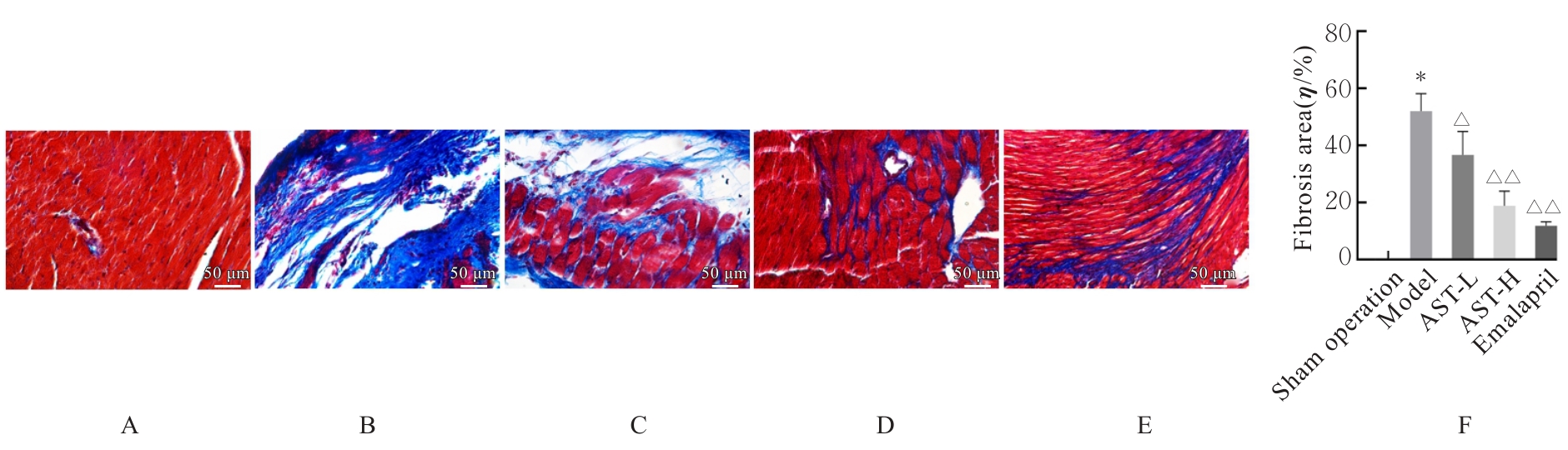
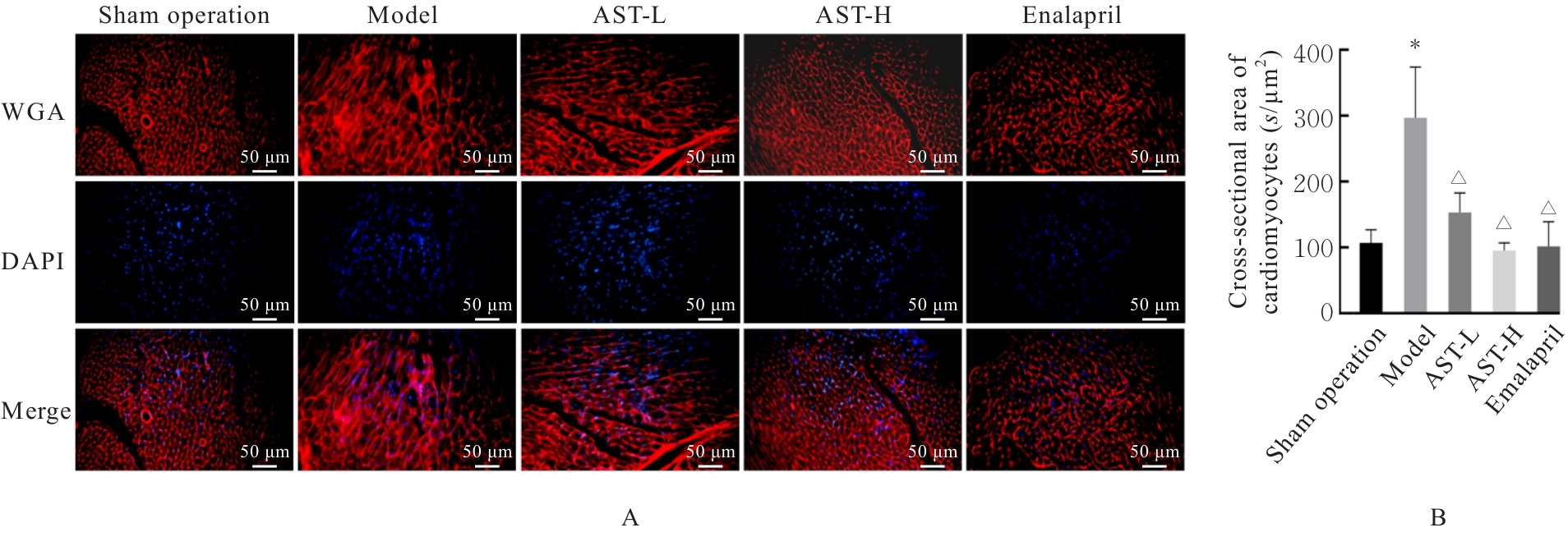
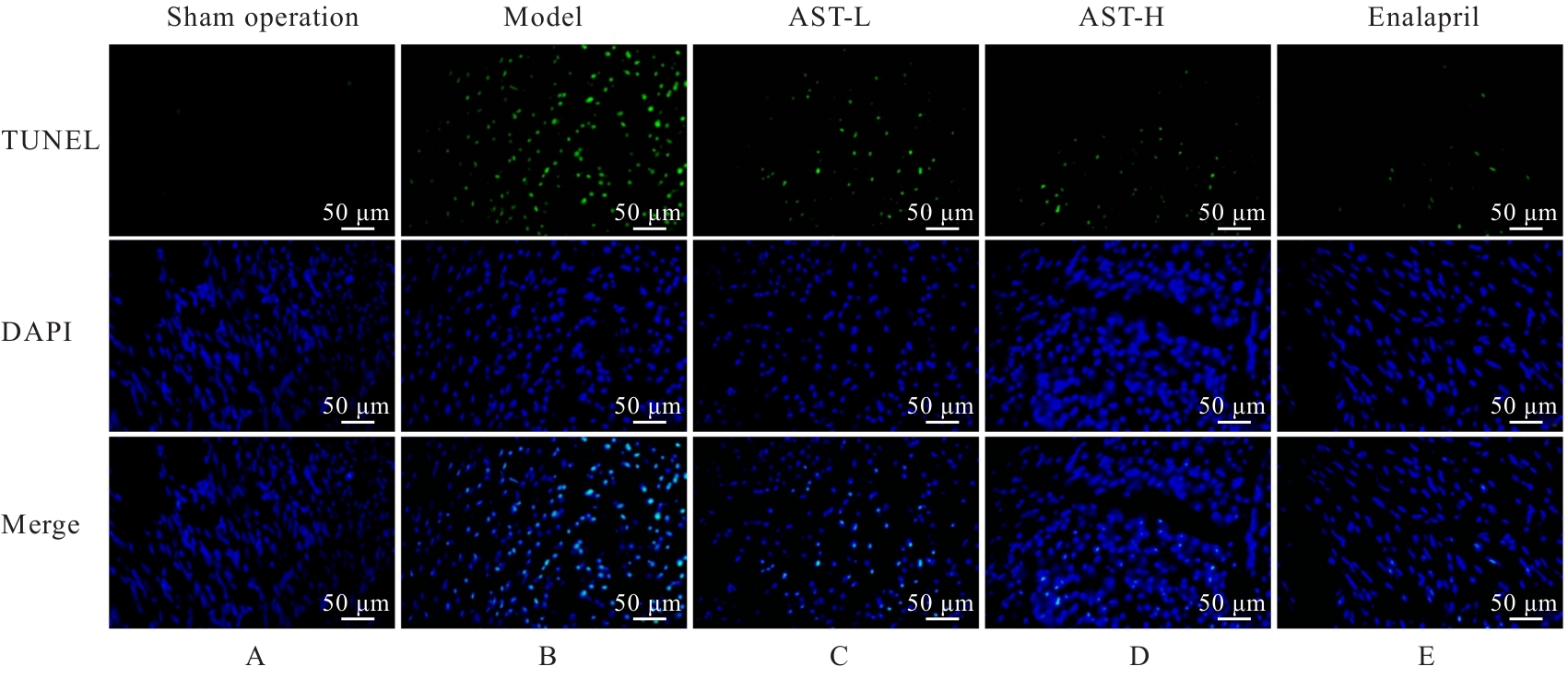
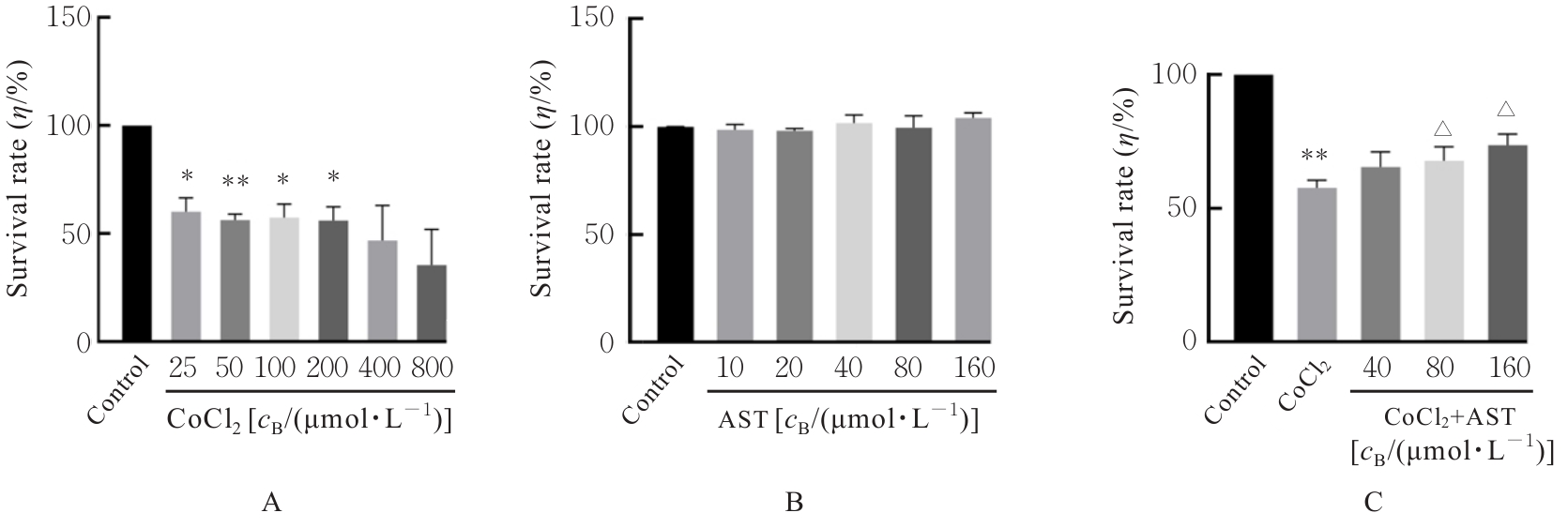
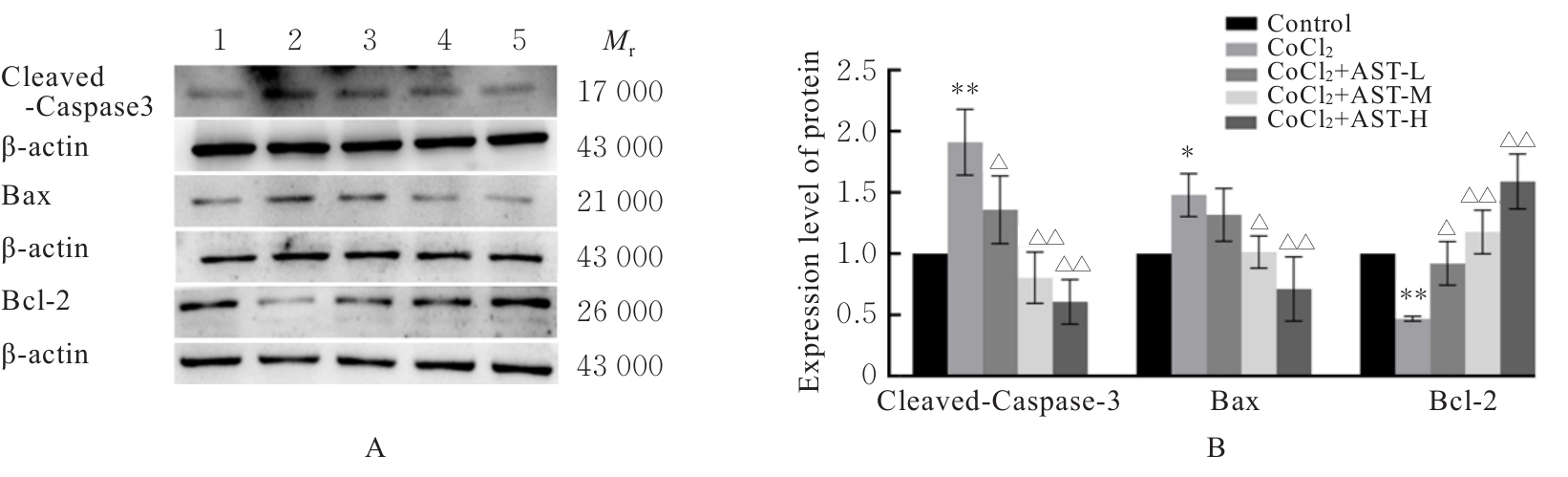
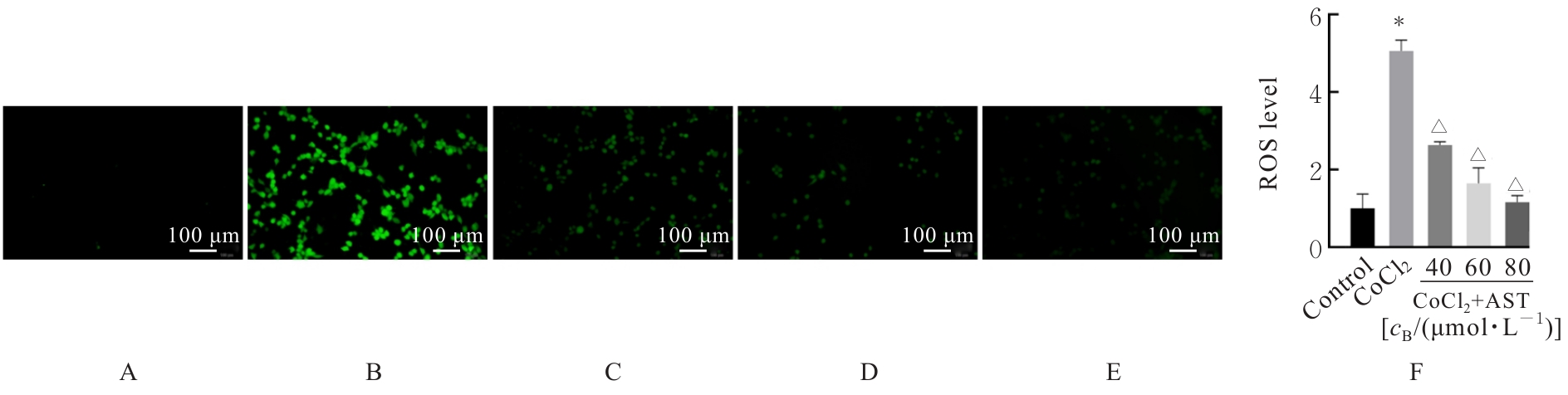
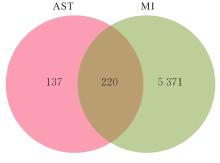
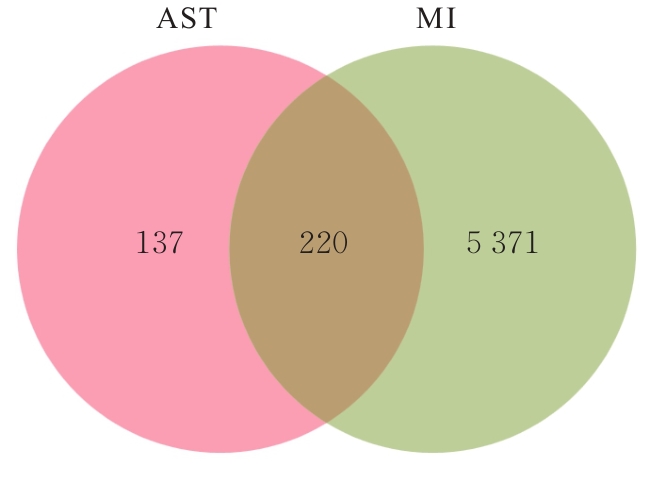
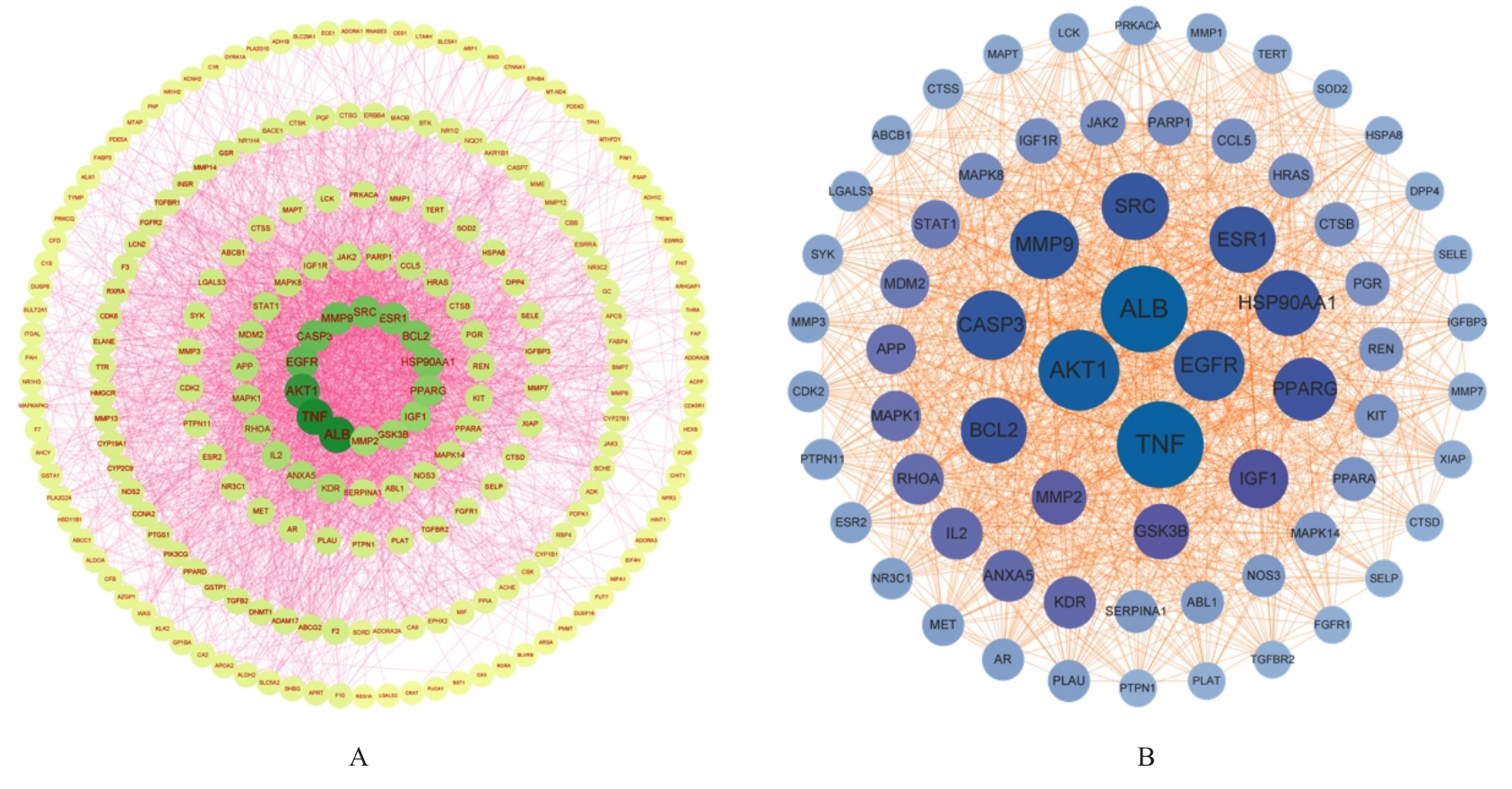
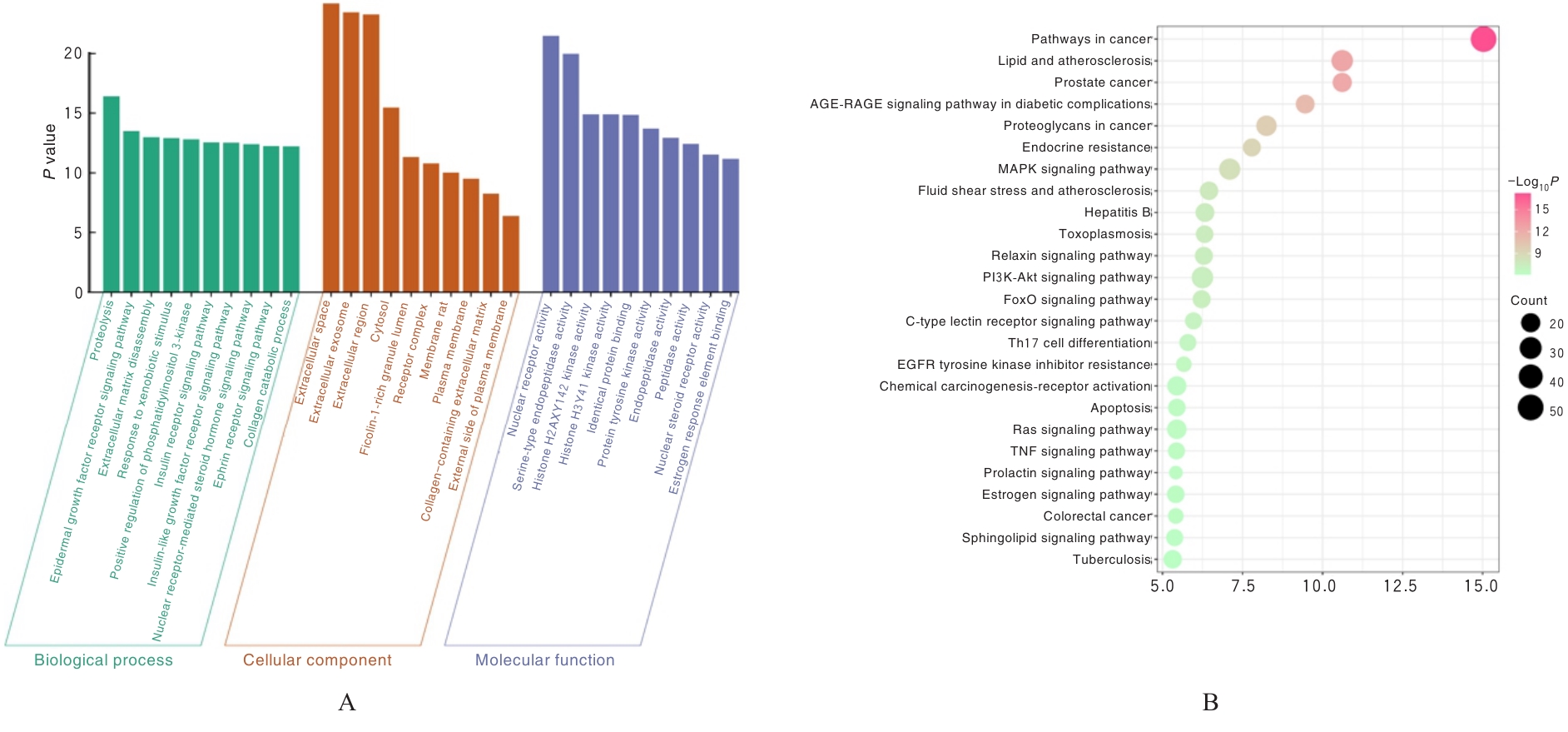
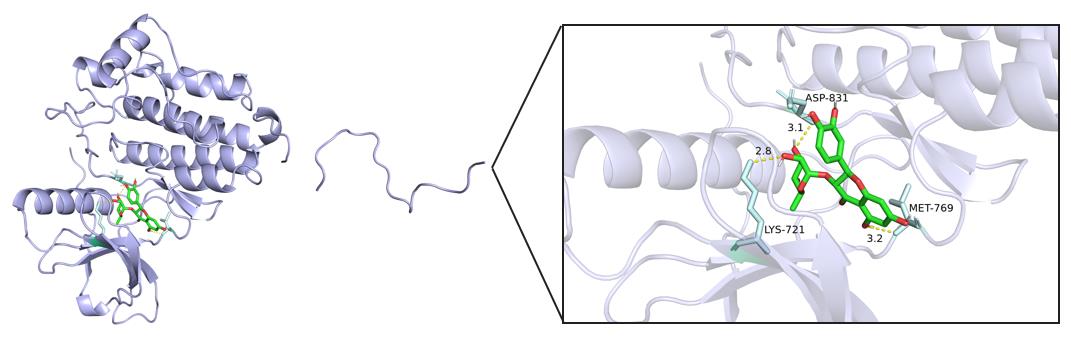
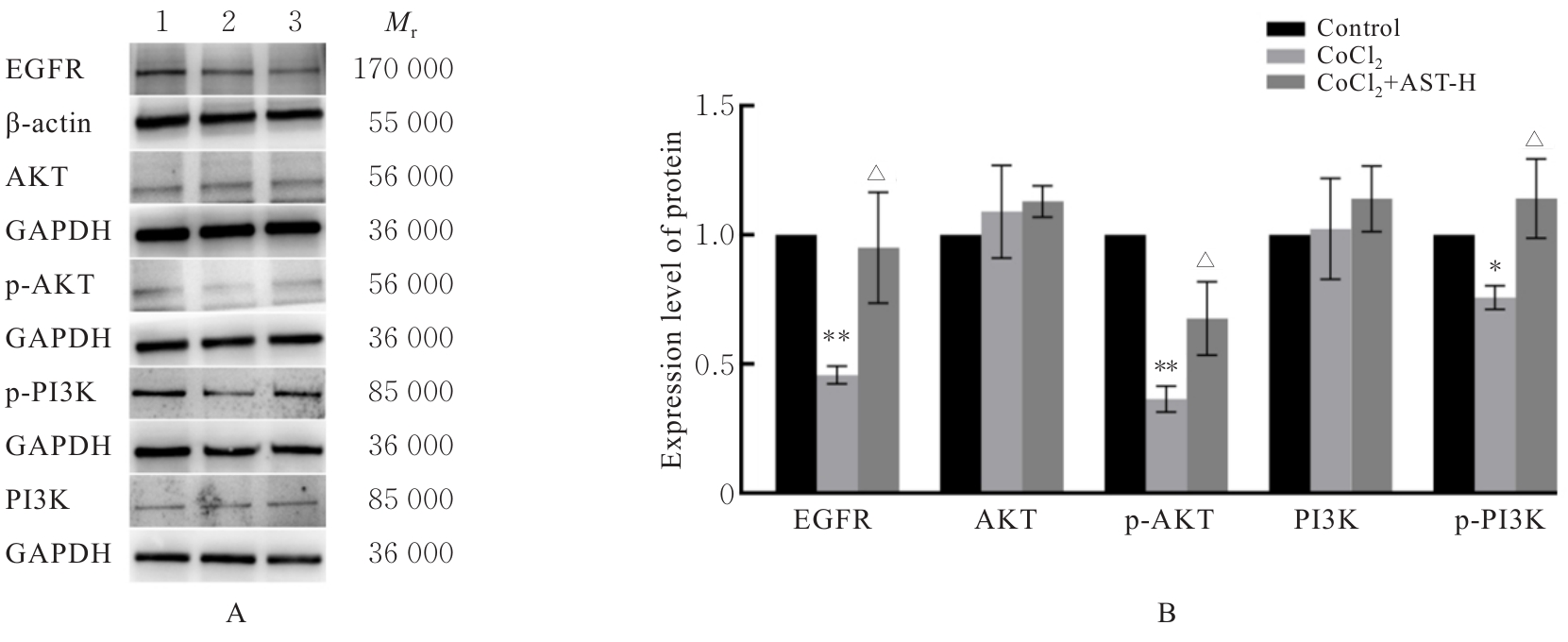
目的 探讨落新妇苷(AST)对心肌梗死(MI)小鼠的治疗作用,并阐明其机制。 方法 结扎雄性C57BL/6小鼠左前降支动脉(LAD)建立MI模型。将50只小鼠随机分为模型组、低剂量AST组(AST-L组)(12.5 mg·kg?1)、高剂量AST组(AST-H组)(50 mg·kg?1)、依那普利组(2 mg·kg?1)和假手术组(仅开胸不结扎),每组10只。采用超声心动图检测各组小鼠左心室射血分数(LVEF)和左心室短轴缩短率(LVFS)以评估心脏功能,Masson三色染色、小麦胚芽凝集素(WGA)染色和TUNEL染色分别检测各组小鼠MI面积、心肌细胞大小及心肌细胞凋亡情况。体外采用氯化钴(CoCl?)诱导H9C2细胞建立缺氧损伤模型。细胞分为对照组、CoCl2+低剂量AST(AST-L)组、CoCl2+中剂量AST(AST-M)组和CoCl2+高剂量AST(AST-H)组。采用细胞计数试剂盒8(CCK-8)法检测各组细胞存活率,Western blotting法检测各组细胞中凋亡相关蛋白表达水平,免疫荧光法检测各组细胞中活性氧(ROS)水平。结合SwissTargetPrediction和PharmMapper等数据库预测AST及MI相关靶点,构建蛋白-蛋白相互作用(PPI)网络,筛选核心靶点,进行基因本体论(GO)功能富集分析和京都基因与基因组百科全书(KEGG)信号通路富集分析,并通过Autodock软件进行分子对接验证。 结果 体内实验,与假手术组比较,模型组小鼠LVEF和LVFS均降低(P<0.001);Masson染色,与假手术组比较,模型组小鼠心肌纤维化面积升高(P<0.01),心肌细胞横截面积增大(P<0.05),心肌细胞TUNEL阳性细胞增多。与模型组比较,AST-L组和AST-H组小鼠LVEF和LVFS均升高(P<0.05或P<0.001);小鼠心肌纤维化面积均降低(P<0.05或P<0.001),心肌细胞横截面积降低(P<0.001)。体外实验,与对照组比较,CoCl2组细胞存活率降低(P<0.01),细胞中B细胞淋巴瘤2(Bcl-2)表达水平降低(P<0.01),Bcl-2相关X蛋白(Bax)和裂解型含半胱氨酸的天冬氨酸蛋白酶3(Cleaved-Caspase-3)表达水平升高(P<0.05或P<0.01),ROS水平升高(P<0.001)。与CoCl2组比较,CoCl2+AST-L组、CoCl2+AST-M组和CoCl2+AST-H组细胞中Bax及Cleaved-Caspase-3蛋白表达水平降低(P<0.05或P<0.01),Bcl-2蛋白表达水平升高(P<0.05或P<0.01),ROS水平降低(P<0.001)。网络药理学分析,AST有357个潜在作用靶点,与MI疾病靶点取交集后按Degree值排序筛选出核心靶点,其中表皮生长因子受体(EGFR)与AST的分子对接分数良好(结合能<-8.0 kcal·mol-1)。KEGG信号通路富集分析,共同靶点主要富集于磷脂酰肌醇3-激酶(PI3K)/蛋白激酶B(AKT)信号通路和EGFR信号通路等。Western blotting法分析,与对照组比较,CoCl2组细胞中EGFR、磷酸化PI3K(p-PI3K)和磷酸化AKT(p-AKT)蛋白表达水平降低(P<0.05或P<0.01);与CoCl2组比较,CoCl2+AST-H组细胞中EGFR、p-AKT和p-PI3K蛋白表达水平升高(P<0.01)。 结论 AST可通过调控EGFR/PI3K/AKT信号通路,发挥抗氧化和抗凋亡作用,改善MI小鼠心功能及心肌病理损伤,其机制与调控该信号通路有关。

关键词: 落新妇苷, 心肌梗死, 氯化钴, 网络药理学, 表皮生长因子受体信号通路

Abstract:

Objective To discuss the therapeutic effect of astilbin (AST) in the mice with myocardial infarction(MI), and to clarify its mechanism. Methods The MI model was established by ligating the left anterior descending artery(LAD) in the male C57BL/6 mice. A total of 50 mice were randomly divided into model group, low dose of AST group(AST-L group) (12.5 mg·kg-1), high dose of AST group (AST-H group) (50 mg·kg-1), enalapril group (2 mg·kg-1), and sham operation group (only thoracotomy without ligation), and there were 10 mice in each group. Echocardiography was used to detect the left ventricular ejection fraction (LVEF) and left ventricular fractional shortening (LVFS) of the mice in various groups to evaluate cardiac function; Masson trichrome staining, wheat germ agglutinin (WGA) staining and TUNEL staining were used to detect the MI areas, cardiomyocyte sizes and cardiomyocyte apoptosis in the mice in various groups, respectively. In vitro, cobalt chloride (CoCl2) was used to induce the H9C2 cells to establish the hypoxia injury model. The cells were divided into control group, CoCl2 group, CoCl2+low dose of AST(AST-L) group, CoCl2+medium dose of AST(AST-M) group, and CoCl2+high dose of AST(AST-H) group. Cell counting kit-8(CCK-8) method was used to detect the survival rates of the cells in various groups; Western blotting method was used to detect the expression levels of apoptosis-related proteins in the cells in various group; immunofluorescence method was used to detect the levels of reactive oxygen species (ROS) in the cells in various groups. In addition, databases including SwissTargetPrediction and PharmMapper were used to predict the targets related to AST and MI; protein-protein interaction (PPI) network was constructed to screen the core targets; Gene Ontology (GO) functional enrichment analysis and Kyoto Encyclopedia of Genes and Genomes (KEGG) signaling pathway enrichment analysis were performed; and molecular docking validation was conducted using Autodock software. Results In vivo, compared with sham operation group, the LVEF and LVFS of the mice in model group were decreased (P<0.001), indicating impaired cardiac function; the Masson staining results showed severe myocardial fibrosis in the mice in model group; the cross sectional area of cardiomyocytes was increased (P<0.05), the number of TUNEL staining positive cells was increased. Compared with model group, the LVEF and LVFS of the mice in AST-L group and AST-H group were increased (P<0.05 or P<0.001); the myocardial fibrosis areas of the mice were decreased (P<0.05 or P<0.001), and the cardiomyocyte cross-sectional areas were decreased (P<0.001). In vitro, compared with control group, the survival rate of the cells in CoCl2 group was decreased (P<0.01), the expression level of B cell lymphoma 2 (Bcl-2) was decreased (P<0.01), while the expression levels of Bcl-2-associated X protein (Bax) and cleaved cysteinyl aspartate-specific proteinase 3(Cleaved-Caspase-3) proteins were increased (P<0.05 or P<0.01), and the ROS level was increased (P<0.001). Compared with CoCl2 group, the expression levels of Bax and Cleaved-Caspase-3 in the cells in CoCl2+AST-L, CoCl2+AST-M and CoCl2+AST-H groups were decreased (P<0.05 or P<0.01), the expression levels of Bcl-2 were increased (P<0.05 or P<0.01), and the ROS levels were decreased (P<0.001). The network pharmacology analysis results showed that AST had 357 potential targets; after intersecting with MI disease targets, core targets were screened by Degree value, among which epidermal growth factor receptor (EGFR) showed good molecular docking score with AST (binding energy <-8.0 kcal·mol-1). The KEGG pathway enrichment analysis results showed that the common targets were mainly enriched in phosphatidylinositol 3-kinase (PI3K)-protein kinase B (AKT) signaling pathway and EGFR signaling pathway, etc. The Western blotting results showed that compared with control group, the expression levels of EFGR, phosphorylated PI3K (p-PI3K) and phosphorylated AKT (p-AKT) proteins in the cells in CoCl2 group were decreased (P<0.05 or P<0.01); compared with CoCl2 group, the expression levels of EGFR, p-AKT, and p-PI3K proteins in the cells in CoCl2+AST-H group were increased (P<0.01). Conclusion AST can exert anti-oxidative and anti-apoptotic effects through regulating EGFR/PI3K/AKT signaling pathway, improve cardiac function and myocardial pathological injury in MI mice, and its mechanism is related to regulating this signaling pathway.

Key words: Astilbin, Myocardial infarction, Cobalt chloride, Network pharmacology, Epidermal growth factor receptor signaling pathway

中图分类号: 

  • R542.22