吉林大学学报(工学版) ›› 2026, Vol. 56 ›› Issue (10): 2524-2534.doi: 10.13229/j.cnki.jdxbgxb.20250497
• 车辆工程·机械工程 • 上一篇
基于伪触觉反馈的多模态车载交互
沈传亮( ),叶瑞章,马骁远,张嘉垚,汪震,胡宏宇()
- 吉林大学 汽车底盘集成与仿生全国重点实验室,长春 130022
Pseudo⁃haptic feedback for multimodal in⁃vehicle interaction
Chuan-liang SHEN(),Rui-zhang YE,Xiao-yuan MA,Jia-yao ZHANG,Zhen WANG,Hong-yu HU()
- National Key Laboratory of Automitive Chasis Integration and Bionics,Jilin University,Changchun 130022,China
摘要:
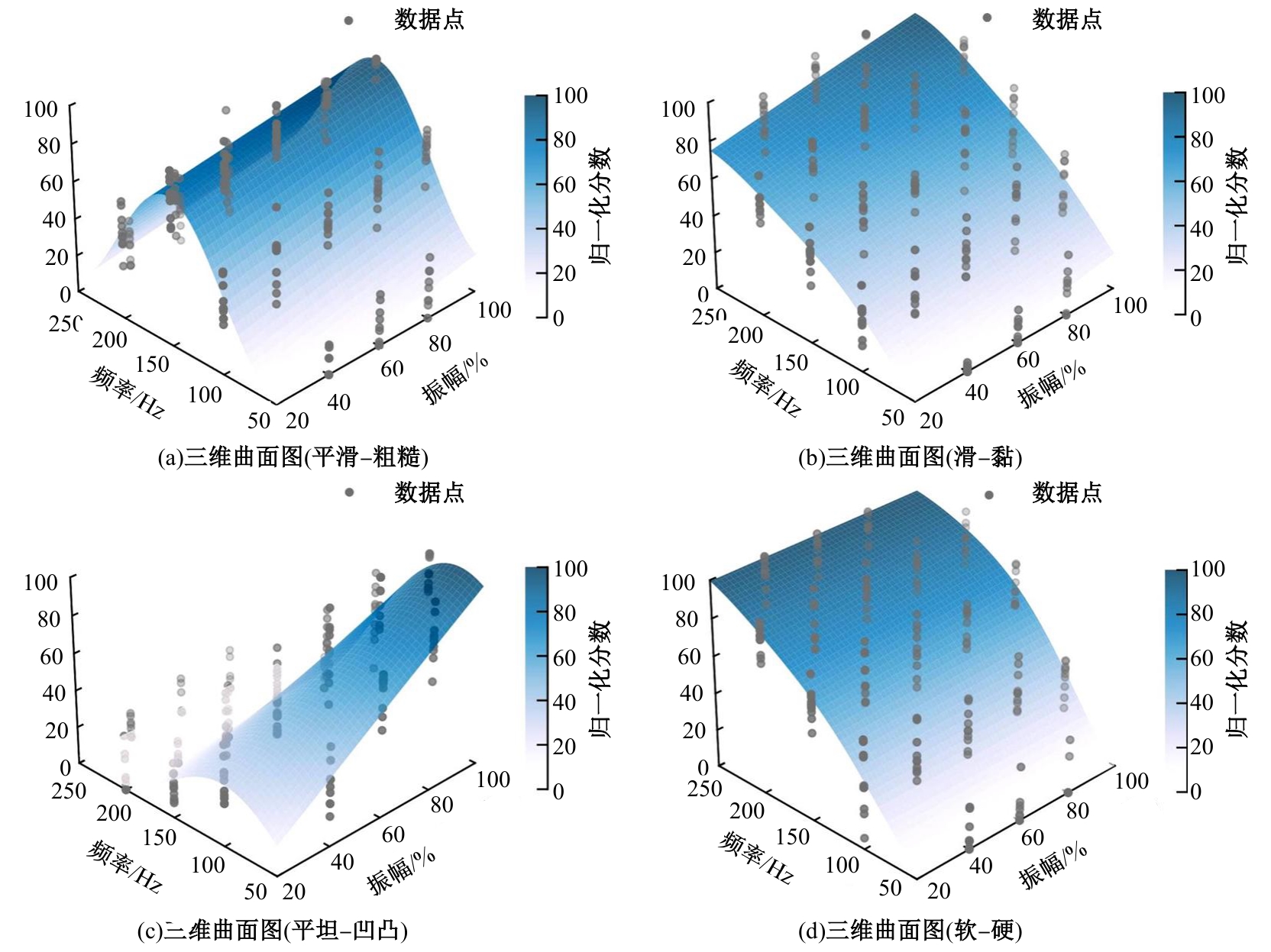
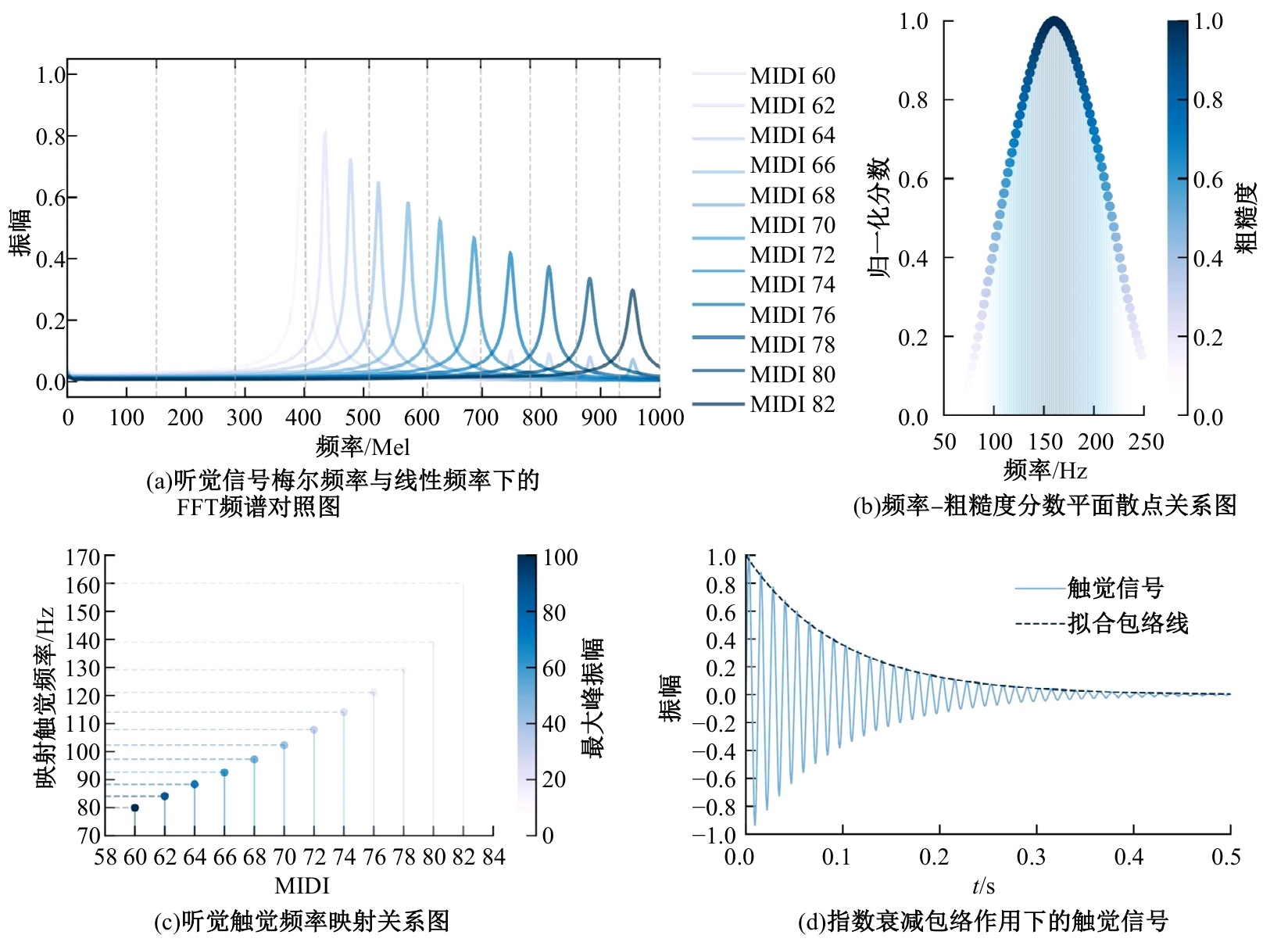
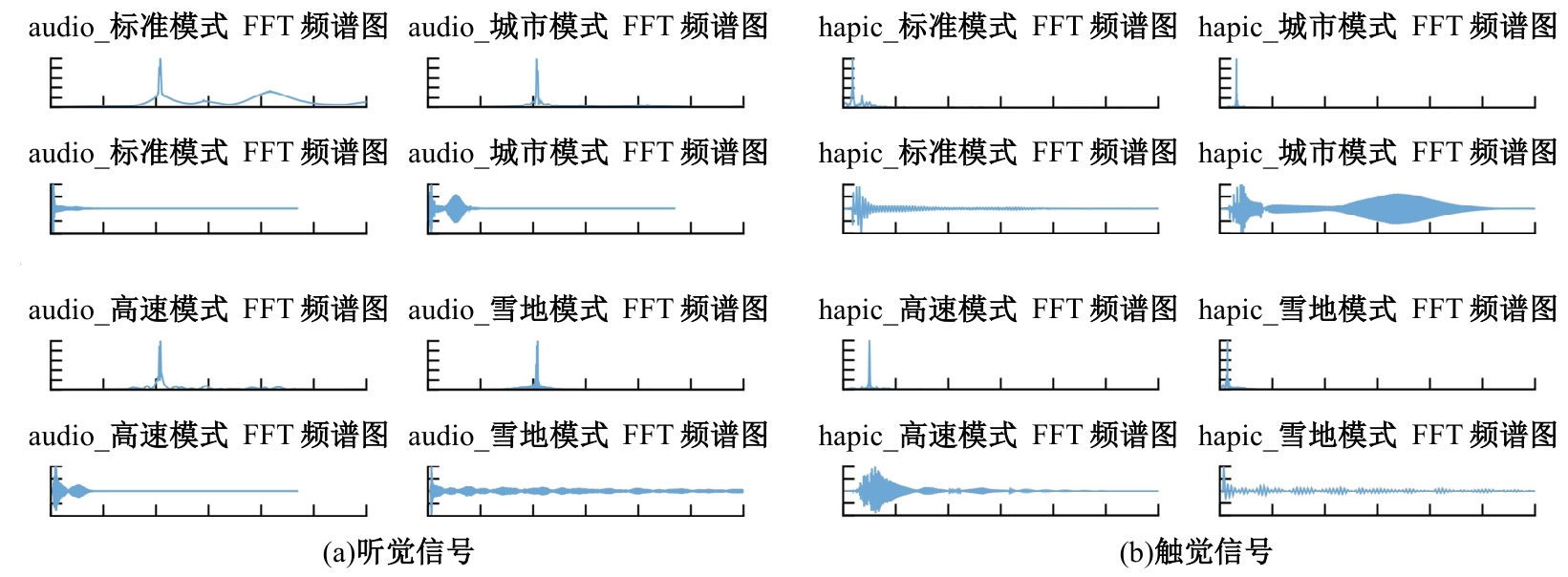
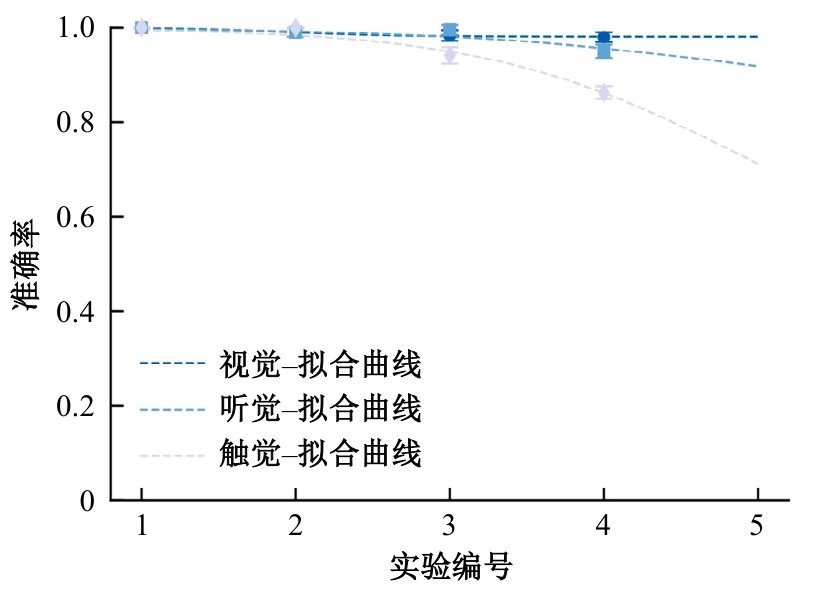
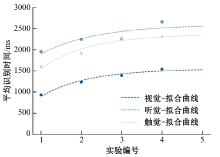
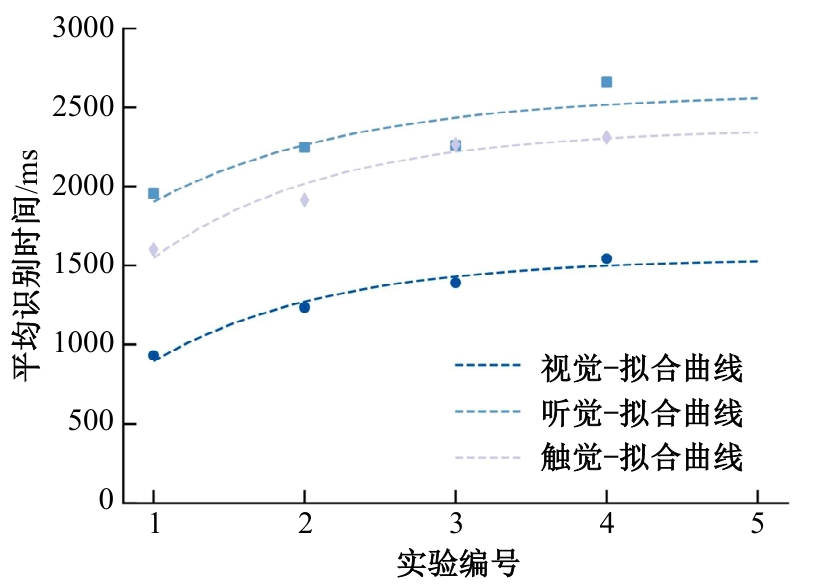
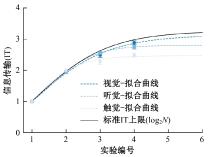
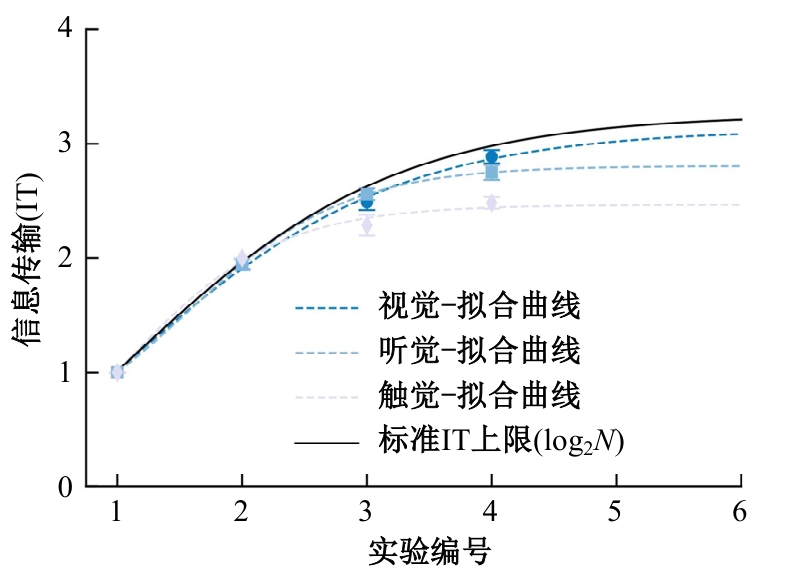
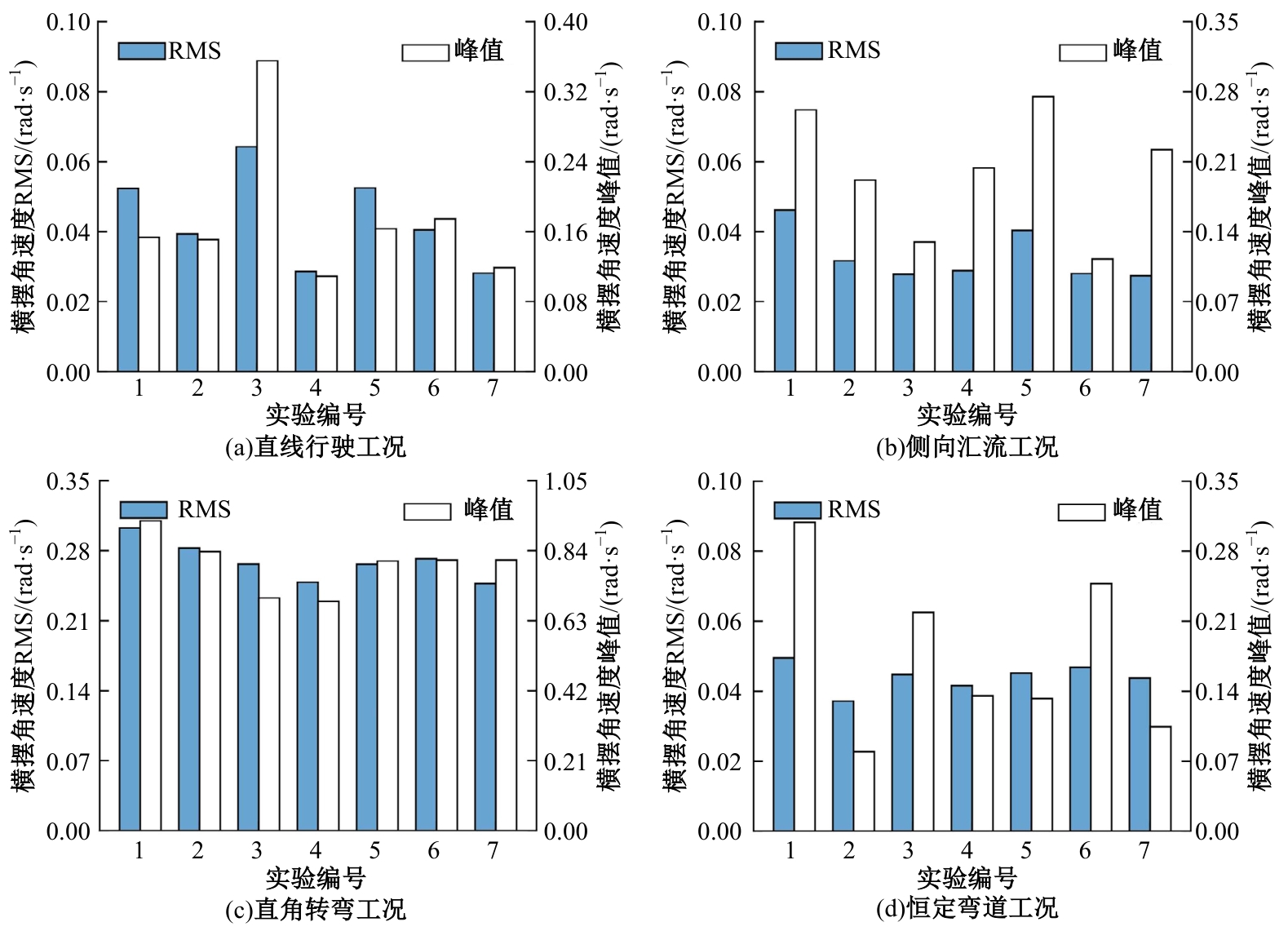
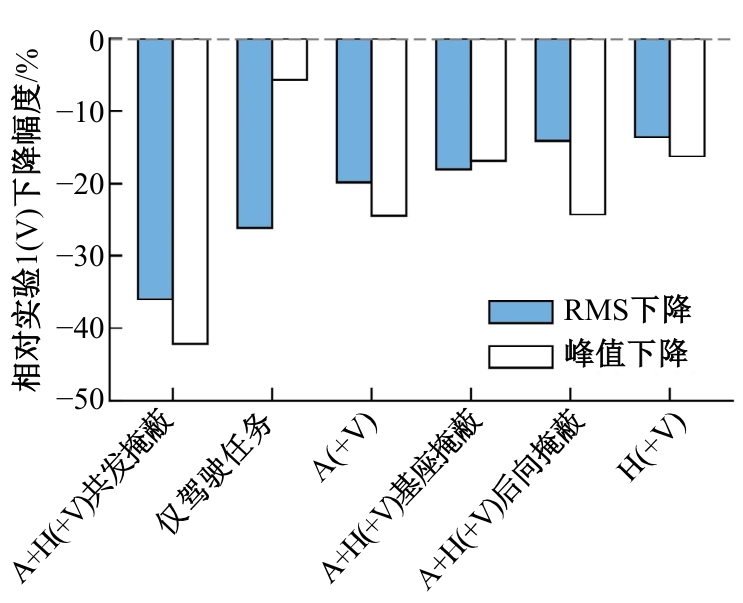
为提升车载交互系统在复杂驾驶场景中的反馈效率与感知一致性,构建了融合视觉、听觉与触觉的伪触觉信号系统,并验证了其在典型工况下的实用性。系统基于电容屏与压电执行器设计振动参数矩阵,建立感知属性与振动参数的映射关系,采用克里金插值构建三维感知曲面。提出了频率映射与谐波包络两种信号生成方法,后者在频率一致性与信号区分度方面表现更优。辨识试验设置4个刺激等级,视觉模态识别性能最优,触觉模态对刺激数量变化更敏感。在3.2 km驾驶仿真场景中,A+H(+V)共发掩蔽次任务配置在多数工况中横摆角RMS和峰值最低,表明该次任务条件下驾驶稳定性最好,且操作时间与主观评分方面综合表现最优。
中图分类号:
- U461

| [1] | Gao F, Ge X, Li J, et al. Intelligent cockpits for connected vehicles: taxonomy, architecture, interaction technologies, and future directions[J]. Sensors, 2024, 24(16): 5172. |
| [2] | Kun A L, Schmidt A, Dey A, et al. Automotive user interfaces and interactive applications in the car[J]. Personal and Ubiquitous Computing, 2013, 17(5): 801-802. |
| [3] | Prabhakar G, Biswas P. A brief survey on interactive automotive UI[J]. Transportation Engineering, 2021, 6: 100089. |
| [4] | Erolin J. Haptic Feedback Defined: Types, Benefits & Uses[EB/OL]. [2026-04-13]. . |
| [5] | Ng A, Brewster S A. Investigating pressure input and haptic feedback for In-car touchscreens and touch surfaces[C]∥Proceedings of the 8th International Conference on Automotive User Interfaces and Interactive Vehicular Applications, New York, USA: 2016: 121-128. |
| [6] | 马晓娜, 童倩倩, 李一含, 等. 基于多模态触觉与伪触觉反馈的智能设计触觉体验构建研究[J]. 装饰, 2022(9): 28-33. |
| Ma Xiao-na, Tong Qian-qian, Li Yi-han, et al. Research on the construction of haptic experience in intelligent design based on multimodal haptics and pseudo-haptic feedback[J]. Art & Design, 2022(9): 28-33. | |
| [7] | Lecuyer A, Coquillart S, Kheddar A, et al. Pseudo-haptic feedback: can isometric input devices simulate force feedback?[C]∥Proceedings IEEE Virtual Reality 2000(Cat. No.00CB37048), New Brunswick, USA, 2000: 83-90. |
| [8] | Hachisu T, Cirio G, Marchal M, et al. Pseudo-haptic feedback augmented with visual and tactile vibrations[C]∥IEEE International Symposium on VR Innovation, Singapore, 2011: 327-328. |
| [9] | Magnusson C, Rassmus-Gröhn K. A pilot study on audio induced pseudo-haptics[C]∥Proceedings of the 3rd International Haptic and Auditory Interaction Design Workshop, Jyväskylä, Finland, 2008: 6-7. |
| [10] | De-Pra Y, Catrambone V, van-Wassenhove V, et al. Altering time perception in virtual reality through multimodal visual-tactile kappa effect[J]. IEEE Transactions on Haptics, 2023, 16(4): 518-523. |
| [11] | Jiang P, Kent C, Rossiter J. Towards sensory substitution and augmentation: mapping visual distance to audio and tactile frequency[J]. PLOS One, 2024, 19(3): e0299213. |
| [12] | Zhu A, Choi A T H, Ma K H, et al. Tactile vibrating toolkit and driving simulation platform for driving-related research[J]. Journal of Visualized Experiments: JoVE, 2020(166): e61408. |
| [13] | Miyoshi J K, Chen Q, Li J, et al. Effects of instructional vibrotactile patterns on takeover performance in autonomous driving[C]∥International Conference on Consumer Electronics, Taiwan, China, 2023: 377-378. |
| [14] | Gibson J J. Observations on active touch[J]. Psychological Review, 1962, 69(6): 477-491. |
| [15] | Vega-Bermudez F, Johnson K O, Hsiao S S. Human tactile pattern recognition: Active versus passive touch, velocity effects, and patterns of confusion[J]. Journal of Neurophysiology, 1991, 65(3): 531-546. |
| [16] | Smith A M, Chapman C E, Donati F, et al. Perception of simulated local shapes using active and passive touch[J]. Journal of Neurophysiology, 2009, 102(6): 3519-3529. |
| [17] | Ackerley R, Hassan E, Curran A, et al. An fMRI study on cortical responses during active self-touch and passive touch from others[J]. Frontiers in Behavioral Neuroscience, 2012, 6: 51. |
| [18] | Cybulska-Klosowicz A, Tremblay F, Jiang W, et al. Differential effects of the mode of touch, active and passive, on experience-driven plasticity in the S1 cutaneous digit representation of adult macaque monkeys[J]. Journal of Neurophysiology, 2020, 123(3): 1072-1089. |
| [19] | He B, Bian N, Wu Y, et al. Multimodal interaction strategies for take-over requests in L3 automated driving[C]∥The 9th International Symposium on Sensors, Mechatronics, and Automation System(ISSMAS 2023), Nanjing, China,2023: 421-427. |
| [20] | Ahmaniemi T, Marila J, Lantz V. Design of dynamic vibrotactile textures[J]. IEEE Transactions on Haptics, 2010, 3(4): 245-256. |
| [21] | Strohmeier P, Hornbæk K. Generating haptic textures with a vibrotactile actuator[C]∥Proceedings of the CHI Conference on Human Factors in Computing Systems, Denver, USA, 2017: 4994-5005. |
| [22] | Wu S, Sun X, Wang Q, et al. Tactile modeling and rendering image-textures based on electrovibration[J]. The Visual Computer, 2016, 33(5): 637-646. |
| [23] | Wang Y, Akeju O V, Zhao T. Interpolation of spatially varying but sparsely measured geo-data: a comparative study[J]. Engineering Geology, 2017, 231: 200-217. |
| [24] | Duc M L, Bilik P, Martinek R. Harmonics signal feature extraction techniques: a review[J]. Mathematics, 2023, 11(8): 1877. |
| [25] | Zhang J. Music feature extraction and classification algorithm based on deep learning[J]. Scientific Programming, 2021, 2021(1): 1651560. |
| [26] | Ludeña-Choez J, Gallardo-Antolín A. Feature extraction based on the high-pass filtering of audio signals for acoustic event classification[J]. Computer Speech & Language, 2015, 30(1): 32-42. |
| [27] | Bennasar M, Hicks Y, Setchi R. Feature selection using joint mutual information maximisation[J]. Expert Systems with Applications, 2015, 42(22): 8520-8532. |
| [1] | 王兴旺,罗锦宽,张紫洋,迟玉璞,蒋金佑,于美铭. 基于改进型DQN的无人机覆盖路径规划算法[J]. 吉林大学学报(工学版), 2026, 56(9): 2444-2455. |
| [2] | 卢家伟,剡昌锋. 基于真⁃伪三连体神经网络的传感器本体匹配方法[J]. 吉林大学学报(工学版), 2026, 56(9): 2456-2466. |
| [3] | 艾青林,刘元宵,杨佳豪. 基于MFF-STDC网络的室外复杂环境小目标语义分割方法[J]. 吉林大学学报(工学版), 2025, 55(8): 2681-2692. |
| [4] | 张宇飞,王丽敏,赵建平,贾智尧,李明洋. 基于中心选择大逃杀优化算法的机器人逆运动学求解[J]. 吉林大学学报(工学版), 2025, 55(8): 2703-2710. |
| [5] | 朴燕,康继元. RAUGAN:基于循环生成对抗网络的红外图像彩色化方法[J]. 吉林大学学报(工学版), 2025, 55(8): 2722-2731. |
| [6] | 车翔玖,李良. 融合全局与局部细粒度特征的图相似度度量算法[J]. 吉林大学学报(工学版), 2025, 55(7): 2365-2371. |
| [7] | 李文辉,杨晨. 基于对比学习文本感知的小样本遥感图像分类[J]. 吉林大学学报(工学版), 2025, 55(7): 2393-2401. |
| [8] | 庄珊娜,王君帅,白晶,杜京瑾,王正友. 基于三维卷积与自注意力机制的视频行人重识别[J]. 吉林大学学报(工学版), 2025, 55(7): 2409-2417. |
| [9] | 刘琼昕,王甜甜,王亚男. 非支配排序粒子群遗传算法解决车辆位置路由问题[J]. 吉林大学学报(工学版), 2025, 55(7): 2464-2474. |
| [10] | 王健,贾晨威. 面向智能网联车辆的轨迹预测模型[J]. 吉林大学学报(工学版), 2025, 55(6): 1963-1972. |
| [11] | 车翔玖,孙雨鹏. 基于相似度随机游走聚合的图节点分类算法[J]. 吉林大学学报(工学版), 2025, 55(6): 2069-2075. |
| [12] | 赵宏伟,周伟民. 基于数据增强的半监督单目深度估计框架[J]. 吉林大学学报(工学版), 2025, 55(6): 2082-2088. |
| [13] | 周丰丰,郭喆,范雨思. 面向不平衡多组学癌症数据的特征表征算法[J]. 吉林大学学报(工学版), 2025, 55(6): 2089-2096. |
| [14] | 刘萍萍,商文理,解小宇,杨晓康. 基于细粒度分析的不均衡图像分类算法[J]. 吉林大学学报(工学版), 2025, 55(6): 2122-2130. |
| [15] | 陈海鹏,张世博,吕颖达. 多尺度感知与边界引导的图像篡改检测方法[J]. 吉林大学学报(工学版), 2025, 55(6): 2114-2121. |
|
||