吉林大学学报(工学版) ›› 2026, Vol. 56 ›› Issue (10): 2578-2586.doi: 10.13229/j.cnki.jdxbgxb.20250346
• 交通运输工程·土木工程 • 上一篇
快速路短交织区车辆交互风险预测及影响因素分析
胡立伟( ),刘一辰,陈琛
- 昆明理工大学 交通工程学院,昆明 650500
Risk prediction and influencing factors analysis of vehicle interaction in short weaving areas of expressway
Li-wei HU(),Yi-chen LIU,Chen CHEN
- Faculty of Transportation Engineering,Kunming University of Science and Technology,Kunming 650500,China
摘要:
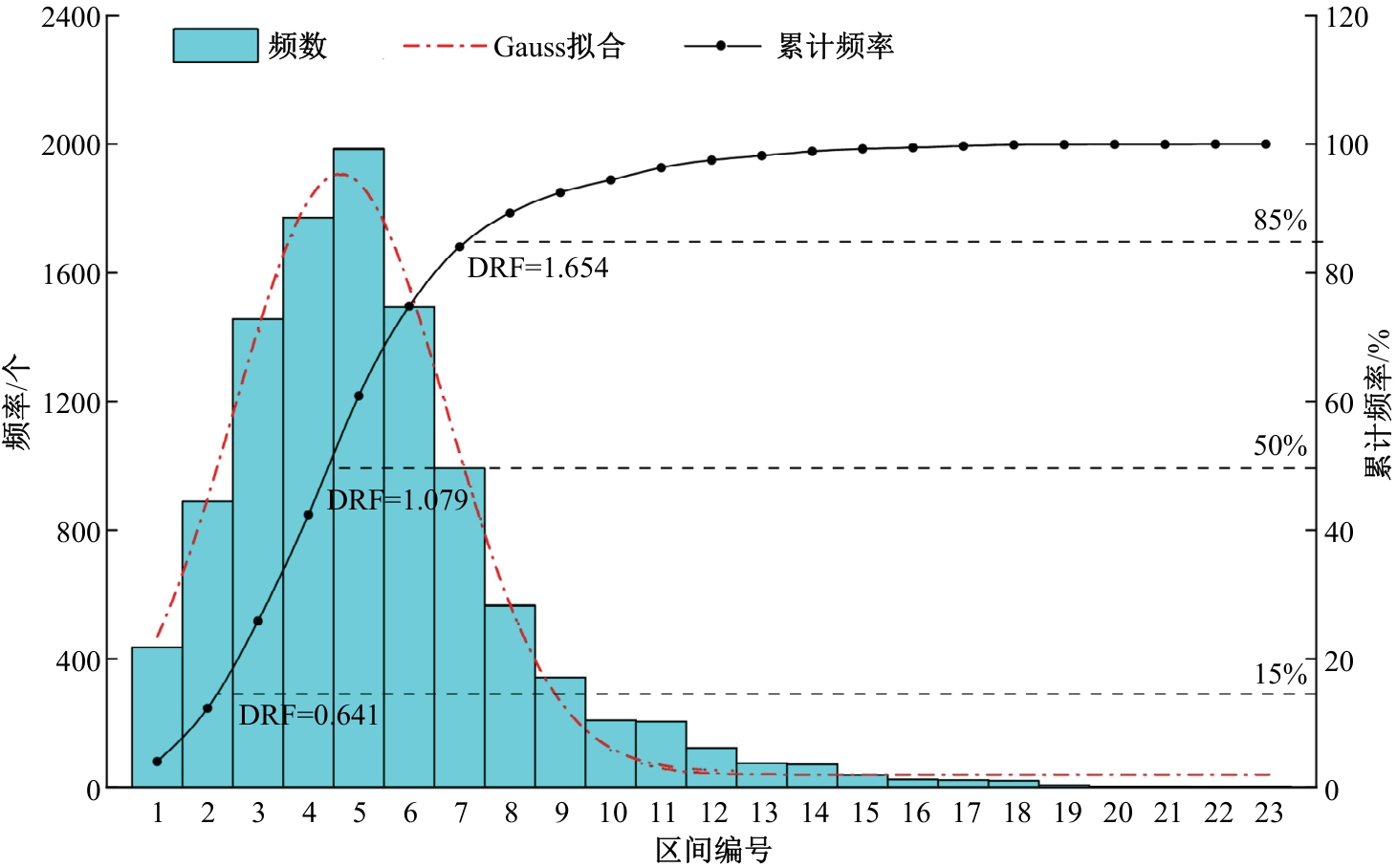
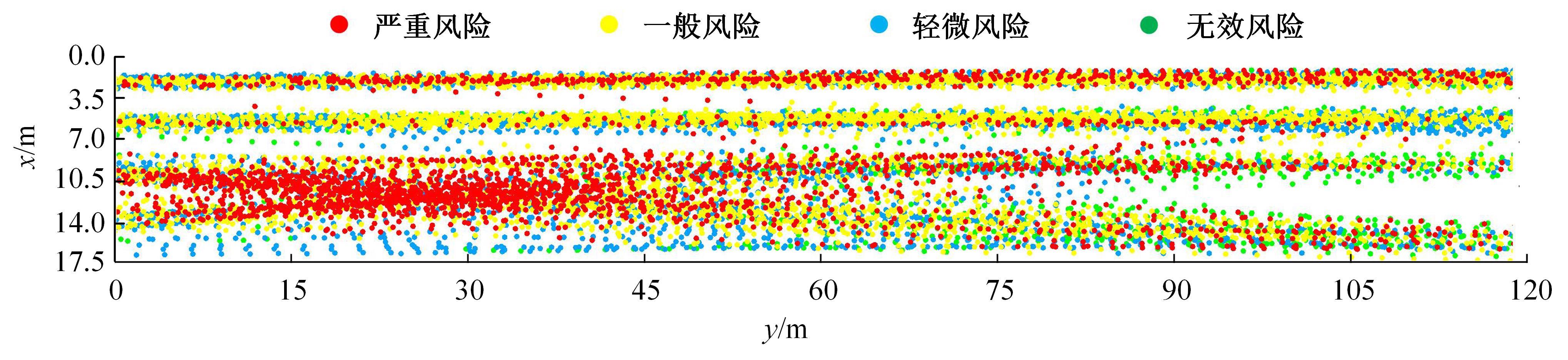
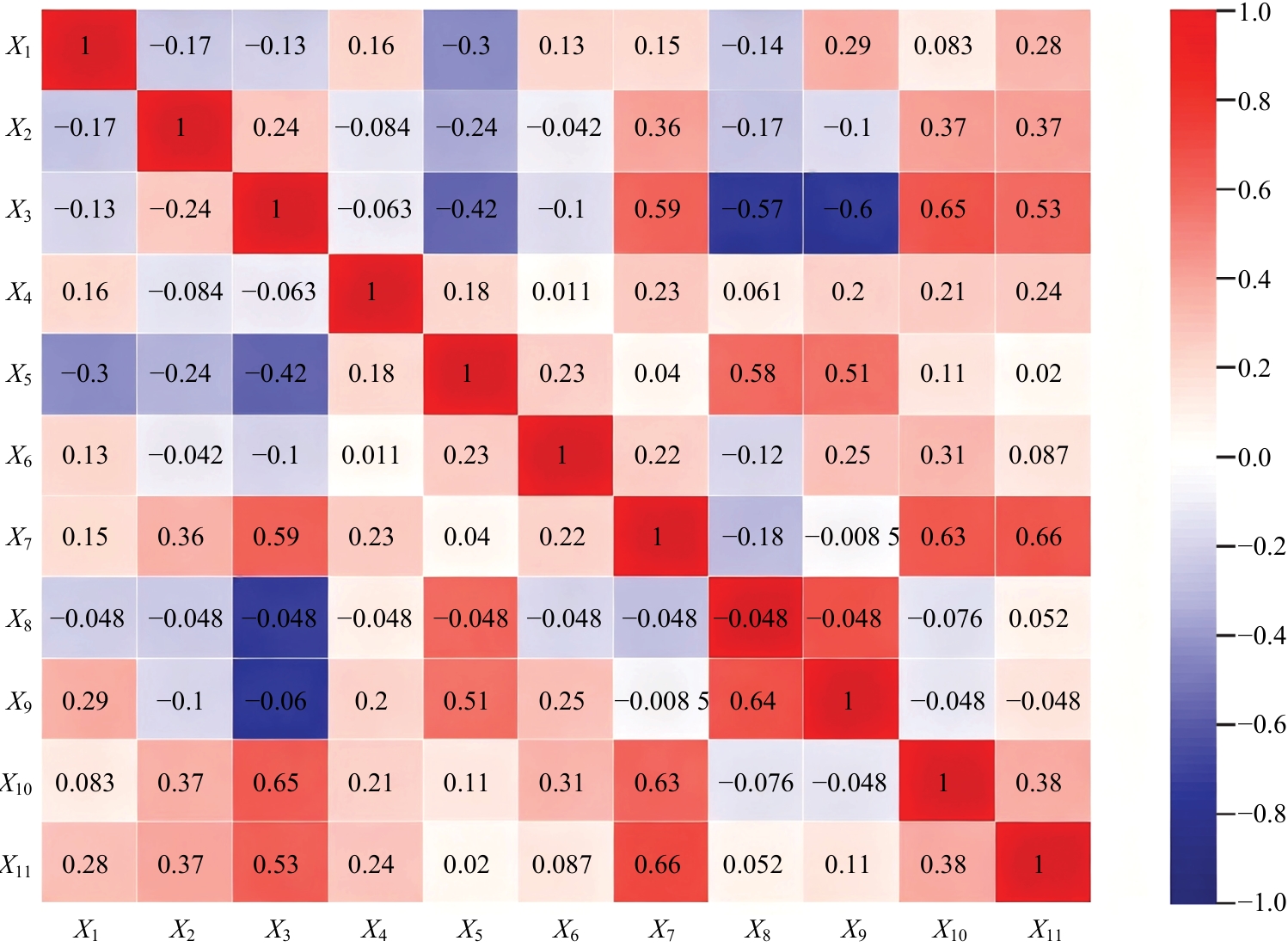
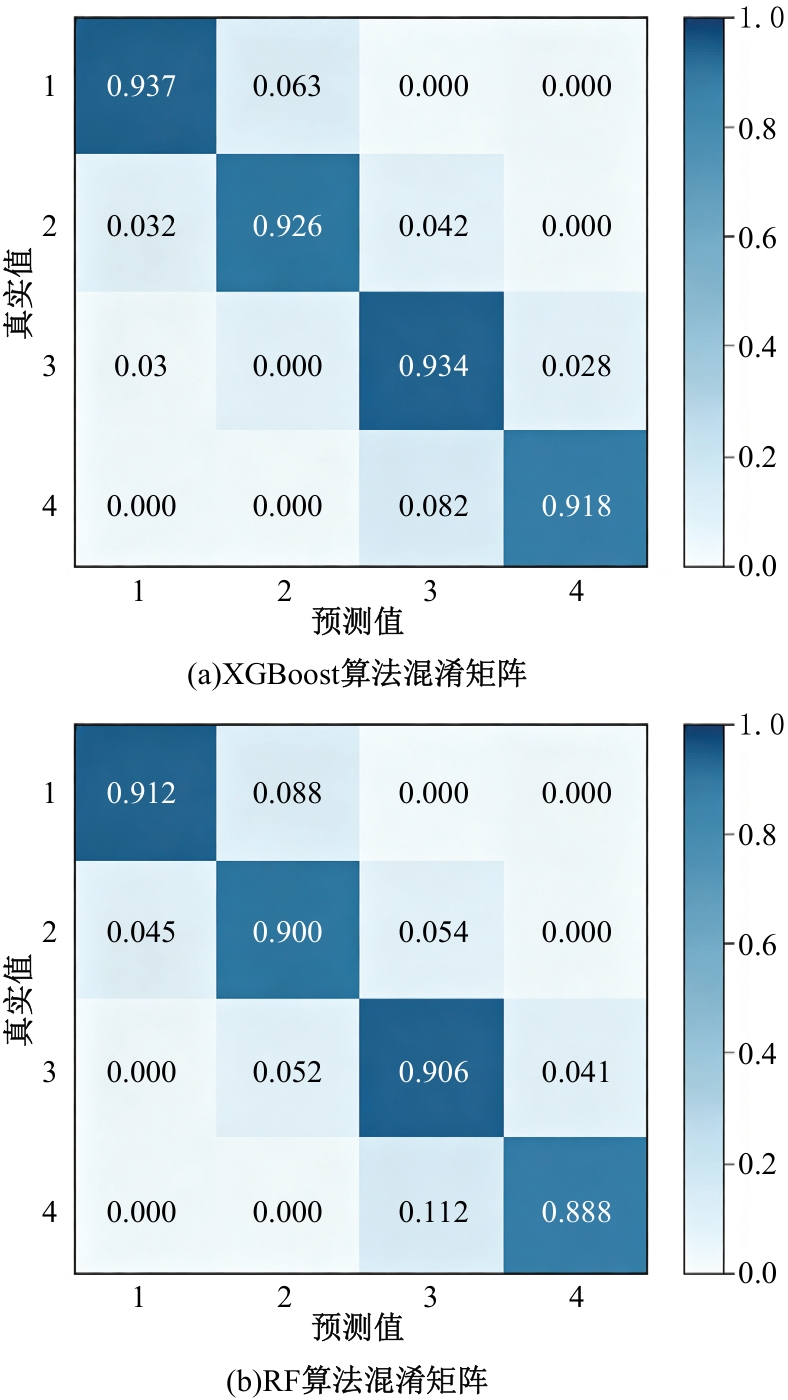
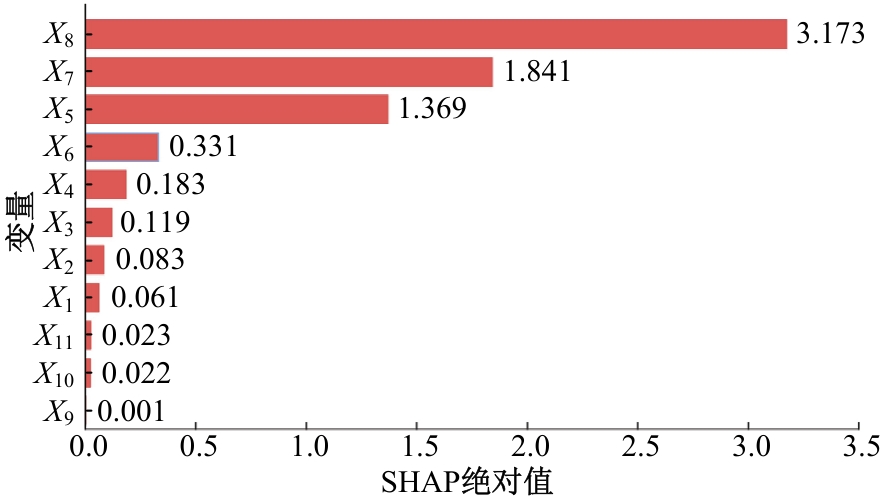
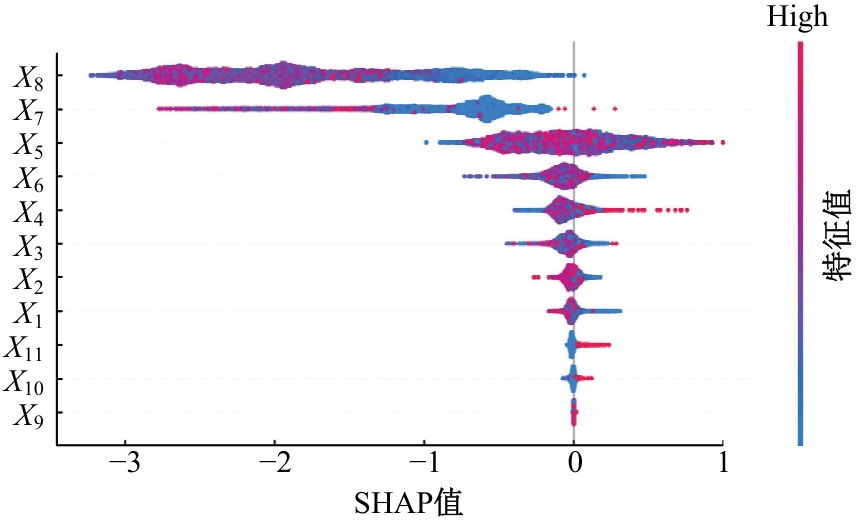
为明确城市快速路短交织区车辆交互风险特征及交互风险严重程度的关键影响因素,以昆明市大树营立交为研究对象,基于无人机航拍视频提取的轨迹数据,通过行车风险场模型计算得到两车交互风险值数据集,利用累计频率法将交互风险划分为4个风险严重程度不同的层级,结果表明严重风险主要分布于车道1以及车道3和车道4的上半段。选取11个影响交互风险严重程度的关键因素作为特征变量,分别利用XGBoost和RF算法构建交互风险严重程度预测模型,结果表明XGBoost算法预测的准确率为92.92%,F1分数为92.91%;RF算法预测的准确率为90.22%,F1分数为90.19%。为进一步揭示特征变量的作用机制,引入SHAP量化11个特征变量对交互风险严重程度的贡献度,结果表明纵向间距、横向间距、目标车速度、两车速度差是贡献度排名前4的变量。本文研究成果可为车辆主动防控和快速路短交织区交通安全管理提供依据。
中图分类号:
- U491.3

| [1] | 彭博, 王玉婷, 谢济铭, 等. 城市干线短交织区元胞自动机多级换道决策模型[J]. 交通运输系统工程与信息, 2020, 20(4): 41-48, 70. |
| Peng Bo, Wang Yu-ting, Xie Ji-ming, et al. Multi-stage lane changing decision model of urban trunk road's short weaving area based on cellular automata[J]. Journal of Transportation Systems Engineering and Information Technology, 2020, 20(4): 41-48, 70. | |
| [2] | Kim J K, Ulfarsson G F, Kim S, et al. Driver-injury severity in single-vehicle crashes in California: a mixed logit analysis of heterogeneity due to age and gender[J]. Accident Analysis & Prevention, 2013, 50: 1073-1081. |
| [3] | Alqatawna A, Álvarez A M R, García-Moreno S S C. Comparison of multivariate regression models and artificial neural networks for prediction highway traffic accidents in Spain: a case study[J]. Transportation Research Procedia, 2021, 58: 277-284. |
| [4] | Yu L, Du B, Hu X, et al. Deep spatio-temporal graph convolutional network for traffic accident prediction[J]. Neurocomputing, 2021, 423: 135-147. |
| [5] | Ouyang P, Wu J, Xu C, et al. Traffic safety analysis of inter-tunnel weaving section with conflict prediction models[J]. Journal of Transportation Safety & Security, 2022, 14(4): 630-654. |
| [6] | Guo M, Zhao X, Yao Y, et al. A study of freeway crash risk prediction and interpretation based on risky driving behavior and traffic flow data[J]. Accident Analysis & Prevention, 2021, 160: 106328. |
| [7] | 袁振洲, 胡嫣然, 杨洋. 考虑多维动态特征交互的高速公路实时事故风险建模[J]. 交通运输系统工程与信息, 2022, 22(3): 215-223. |
| Yuan Zhen-zhou, Hu Yan-ran, Yang Yang. Modeling towards freeway real-time traffic crash prediction considering multi-dimensional dynamic feature interactions[J]. Journal of Transportation Systems Engineering and Information Technology, 2022, 22(3): 215-223. | |
| [8] | 潘恒彦, 王永岗, 李德林, 等. 基于交通冲突的长纵坡路段追尾风险评估及预测[J]. 吉林大学学报:工学版, 2023, 53(5): 1355-1363. |
| Pan Heng-yan, Wang Yong-gang, Li De-lin, et al. Evaluating and forecasting rear-end collision risk of long longitudinal gradient roadway via traffic conflict[J]. Journal of Jilin University(Engineering and Technology Edition), 2023, 53(5): 1355-1363. | |
| [9] | 温惠英, 何梓琦, 李秋灵, 等. 高速公路货车换道冲突预测及其影响因素分析[J]. 吉林大学学报:工学版, 2024, 54(10): 2827-2836. |
| Wen Hui-ying, He Zi-qi, Li Qiu-ling, et al. Traffic conflict prediction and influencing factors analysis of truck lane change on expressway[J]. Journal of Jilin University(Engineering and Technology Edition), 2024, 54(10): 2827-2836. | |
| [10] | 董亚冰, 李瑞敏, 张萌佳, 等. 基于多元线性回归的匝道路段行车风险预测[J]. 公路, 2024, 69(9): 219-229. |
| Dong Ya-bing, Li Rui-min, Zhang Meng-jia, et al. Traffic risk prediction on ramp sections based on multiple linear regression[J]. Highway, 2024, 69(9): 219-229. | |
| [11] | 程国柱, 王婉琦, 王连震, 等. 车辆换道行为风险评价方法研究进展[J]. 哈尔滨工业大学学报, 2023, 55(3):139-150. |
| Cheng Guo-zhu, Wang Wan-qi, Wang Lian-zhen, et al. Research progress on risk assessment of vehicle lane-changing behavior[J]. Journal of Harbin Institute of Technology, 2023, 55(3): 139-150. | |
| [12] | Li L H, Gan J, Yi Z W, et al. Risk perception and the warning strategy based on safety potential field theory[J]. Accident Analysis & Prevention, 2020, 148: 105805. |
| [13] | 朱顺应, 蒋若曦, 王红, 等. 机动车交通冲突技术研究综述[J]. 中国公路学报, 2020, 33(2): 15-33. |
| Zhu Shun-ying, Jiang Ruo-xi, Wang Hong, et al. Review of research on traffic conflict techniques[J]. China Journal of Highway and Transport, 2020, 33(2): 15-33. | |
| [14] | 胡立伟, 陈琛, 赵雪亭, 等. 基于行车风险场的快速路短交织区车辆交互风险识别[J]. 交通运输系统工程与信息, 2024, 24(3): 221-231. |
| Hu Li-wei, Chen Chen, Zhao Xue-ting, et al. Identification of vehicle interaction risk in short weaving areas of expressways based on driving risk field[J]. Journal of Transportation Systems Engineering and Information Technology, 2024, 24(3): 221-231. | |
| [15] | 何晖宇, 丁瑞, 应聃, 等. 苜蓿叶立交交织区冲突特征及严重程度影响因素分析[J]. 交通运输系统工程与信息, 2024, 24(5): 246-258. |
| He Hui-yu, Ding Rui, Ying Dan, et al. Conflict features and impact factors of severity in weaving area of cloverleaf interchange[J]. Journal of Transportation Systems Engineering and Information Technology, 2024, 24(5): 246-258. | |
| [16] | 戢晓峰, 徐迎豪, 普永明, 等. 山区双车道公路货车移动遮断小客车跟驰风险预测模型[J]. 吉林大学学报:工学版, 2024, 54(5): 1323-1331. |
| Ji Xiao-feng, Xu Ying-hao, Pu Yong-ming, et al. Risk prediction model of passenger car following behavior under truck movement interruption of two-lane highway in mountainous area[J]. Journal of Jilin University(Engineering and Technology Edition), 2024, 54(5): 1323-1331. |
| [1] | 张琦悦,岳昊,孟德邻,曲秋莳. 考虑拥堵空间排队和溢出的交通流用户均衡分配模型[J]. 吉林大学学报(工学版), 2026, 56(9): 2302-2316. |
| [2] | 潘义勇,杨赛赛. 自动驾驶汽车接管模式与事故严重程度关联性分析[J]. 吉林大学学报(工学版), 2026, 56(8): 2077-2083. |
| [3] | 郭瑞军,范超冉,付明迪. 基于PSO-GRU模型的车辆换道意图识别[J]. 吉林大学学报(工学版), 2026, 56(8): 2084-2094. |
| [4] | 孙轶琳,蔡余坤,贾方圆,疏阳. 不同时期建成环境对居民小汽车依赖的影响[J]. 吉林大学学报(工学版), 2026, 56(8): 2095-2105. |
| [5] | 马壮林,毕宇明,贾稳见,邓亚娟,谭晓伟. 公交换乘优惠政策下居民换乘行为机理分析[J]. 吉林大学学报(工学版), 2026, 56(8): 2116-2126. |
| [6] | 刘昕晖,陈晫群,吕岩. 基于深度学习的工业故障诊断综述[J]. 吉林大学学报(工学版), 2026, 56(7): 1759-1779. |
| [7] | 冯天军,郝延铭,李飞燕,高赫遥,刘一贤,刘楠,李金凤. 考虑驾驶风格的网联自动驾驶车辆集聚换道模型[J]. 吉林大学学报(工学版), 2026, 56(7): 1834-1844. |
| [8] | 孟云伟,李智鹏,张引,全振宇,杨光清,陈芳,赖思静,乔俊. 基于纵向间距和亮度差的隧道群驾驶舒适度[J]. 吉林大学学报(工学版), 2026, 56(7): 1904-1914. |
| [9] | 张玉召,丁欣茹,侯长啸,陈虎林. 交通运输网络韧性研究现状及展望[J]. 吉林大学学报(工学版), 2026, 56(3): 585-602. |
| [10] | 慈玉生,黄轶康. 基于文献计量的交叉口车路协同研究综述[J]. 吉林大学学报(工学版), 2026, 56(2): 313-332. |
| [11] | 张文会,叶梅茹,席聪,宋子文. 混合交通流环境下车辆编队与碳排放特性[J]. 吉林大学学报(工学版), 2026, 56(2): 416-430. |
| [12] | 潘义勇,曹天宇,刘宇. 随机交通网络约束最可靠路径乘子交替方向法[J]. 吉林大学学报(工学版), 2026, 56(2): 455-463. |
| [13] | 孙宇,李世武,郭梦竹,金桐彤,宋会军,刘德志,高雯. 多模态数据在驾驶疲劳监测中的有效性分析[J]. 吉林大学学报(工学版), 2026, 56(2): 473-479. |
| [14] | 李坤宸,袁伟,王畅,张会明,穆雨薇. 基于驾驶风险和驾驶能力的人机控制权分配[J]. 吉林大学学报(工学版), 2026, 56(2): 575-584. |
| [15] | 马壮林,毕宇明,周备,邓亚娟,兆雪. 公交换乘优惠政策下居民换乘意向的异质性分析[J]. 吉林大学学报(工学版), 2026, 56(1): 158-169. |
|
||