吉林大学学报(医学版) ›› 2025, Vol. 51 ›› Issue (3): 807-813.doi: 10.13481/j.1671-587X.20250327

• 调查研究 • 上一篇    

不同性别和家庭结构青少年抑郁症状差异的网络分析

许家源,赵曦曦,岳静怡,梅松丽()   

  1. 吉林大学公共卫生学院社会医学与卫生事业管理教研室,吉林 长春 130021
  • 收稿日期:2024-06-30 接受日期:2024-09-14 出版日期:2025-05-28 发布日期:2025-07-18
  • 通讯作者: 梅松丽 E-mail:meisongli@sina.com
  • 作者简介:许家源(1996-),男,吉林省长春市人,在读硕士研究生,主要从事青少年心理健康方面的研究。
  • 基金资助:
    教育部人文社会科学研究规划项目(23YJAZH100);吉林省哲学社会科学规划基金办公室社会科学基金项目(2023W9);吉林大学研究生课程思政项目(2024KCSZ38)

Network analysis on differences in depression symptoms in adolescents with different genders and family structures

Jiayuan XU,Xixi ZHAO,Jingyi YUE,Songli MEI()   

  1. Department of Social Medicine and Health Care Management,School of Public Health,Jilin University,Changchun 130021,China
  • Received:2024-06-30 Accepted:2024-09-14 Online:2025-05-28 Published:2025-07-18
  • Contact: Songli MEI E-mail:meisongli@sina.com

摘要:

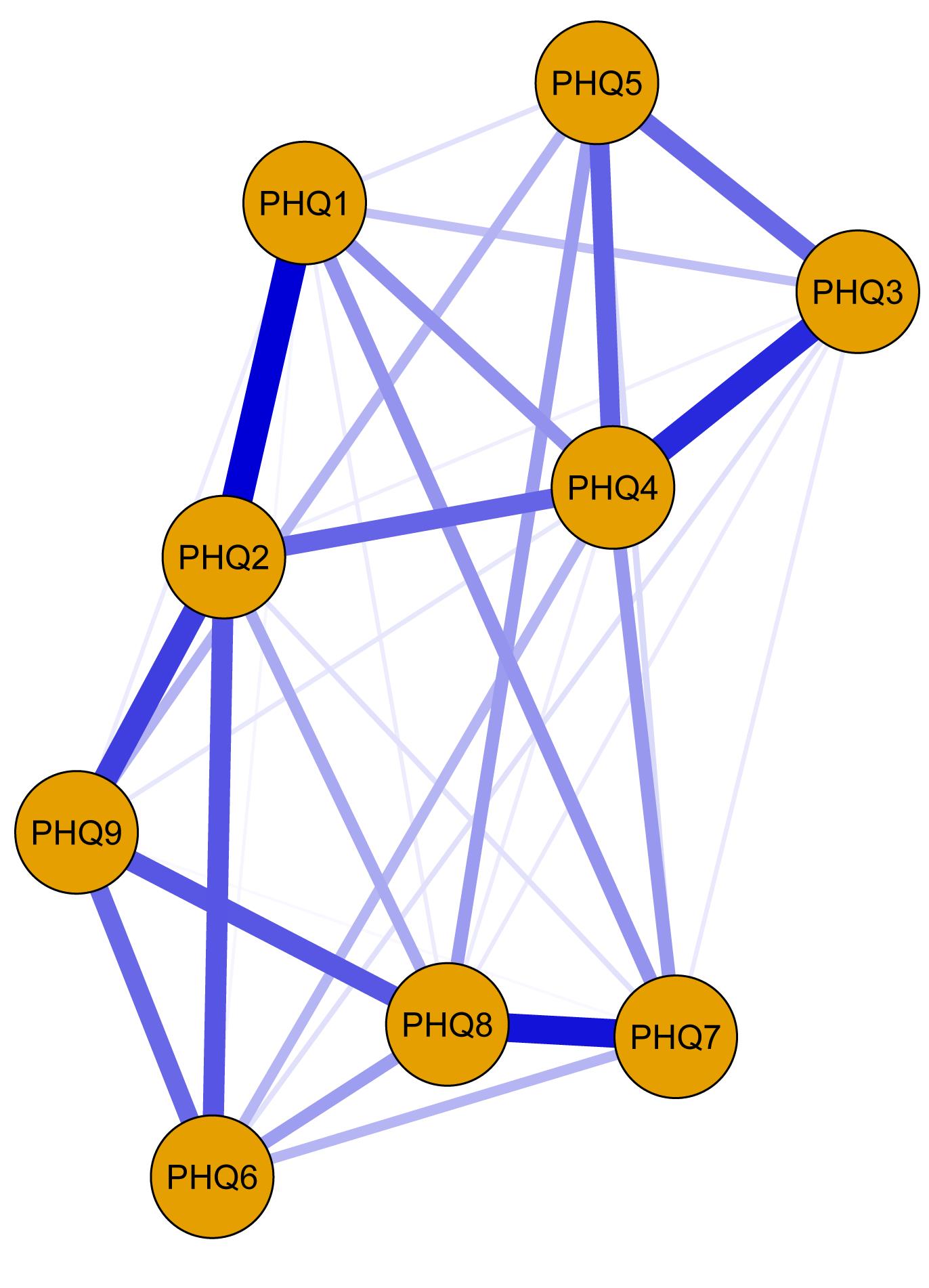
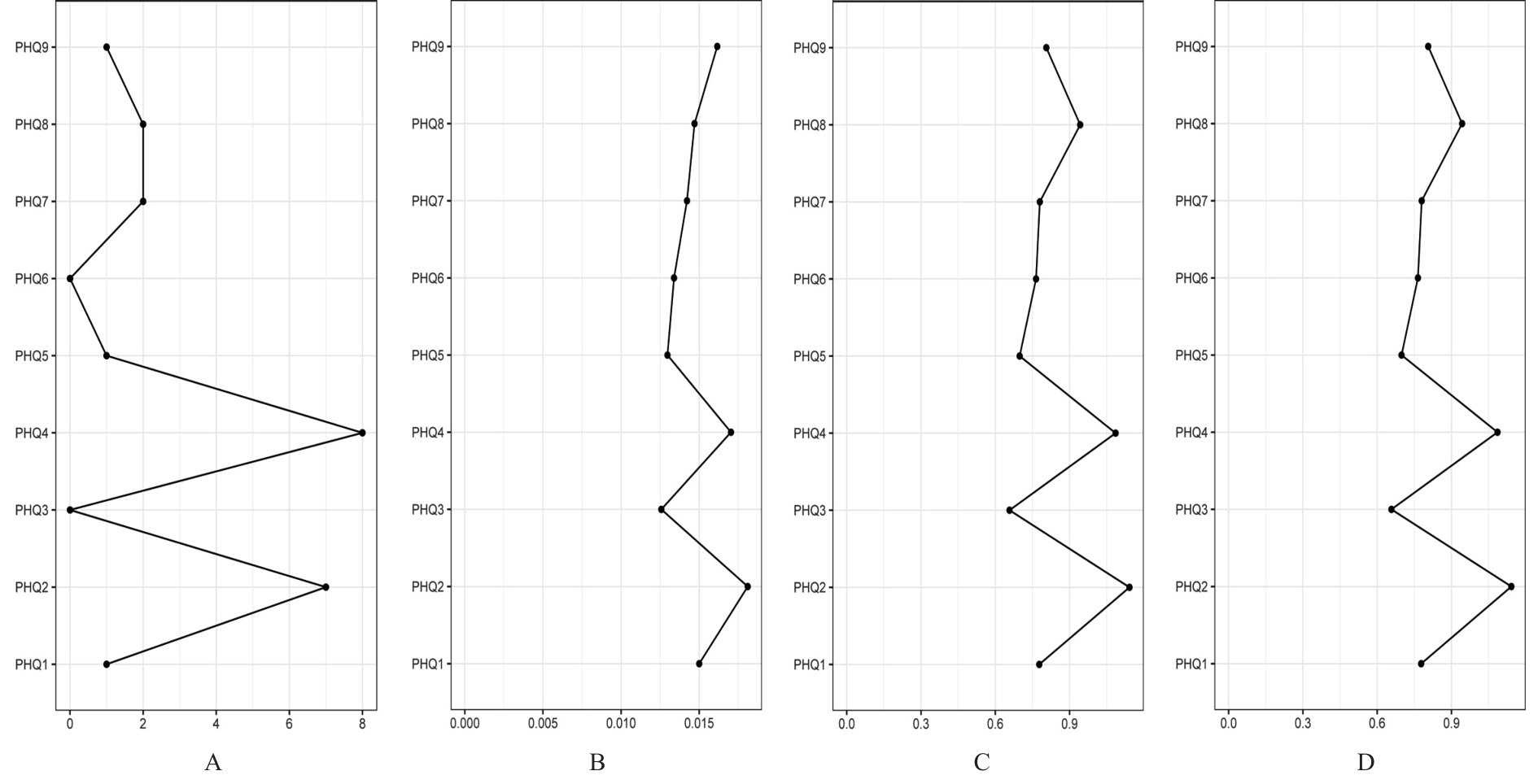
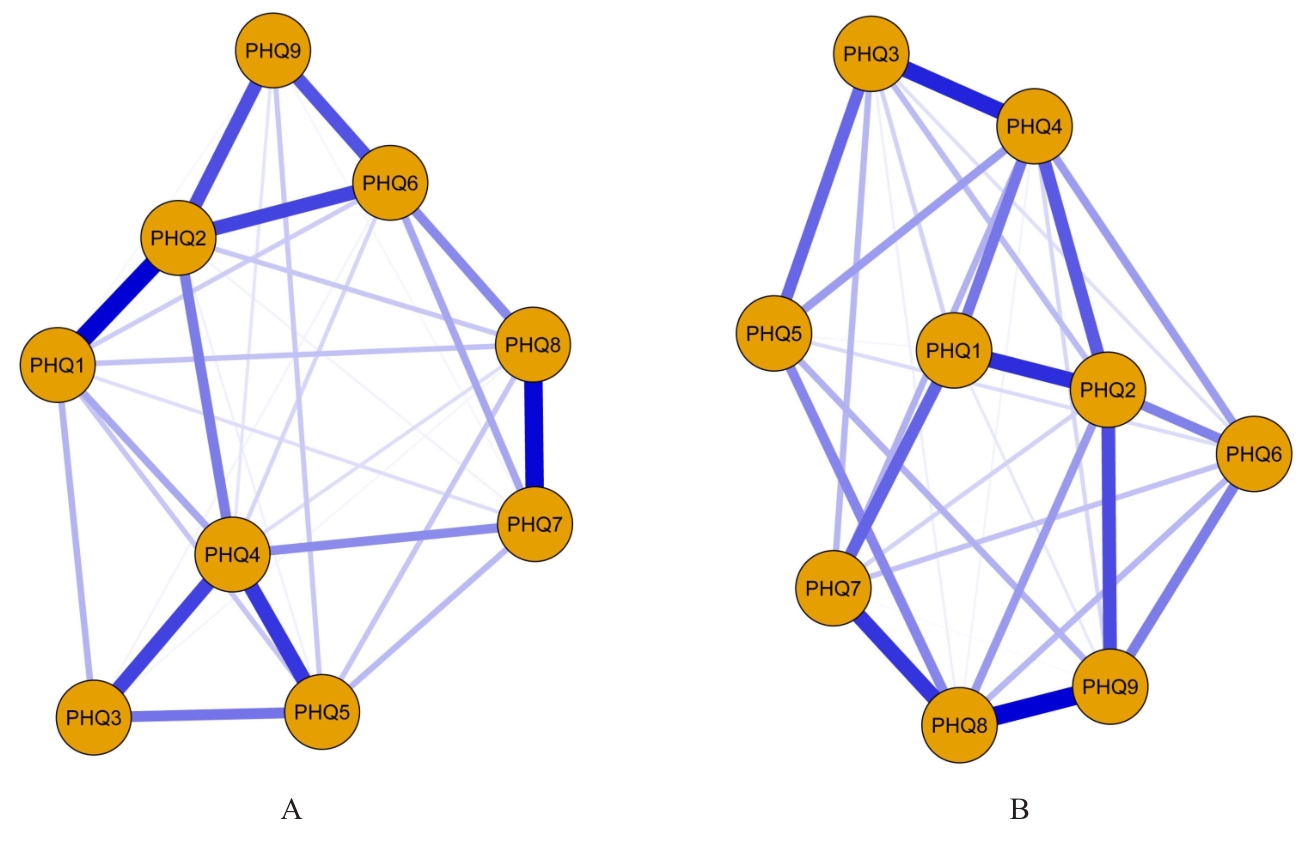
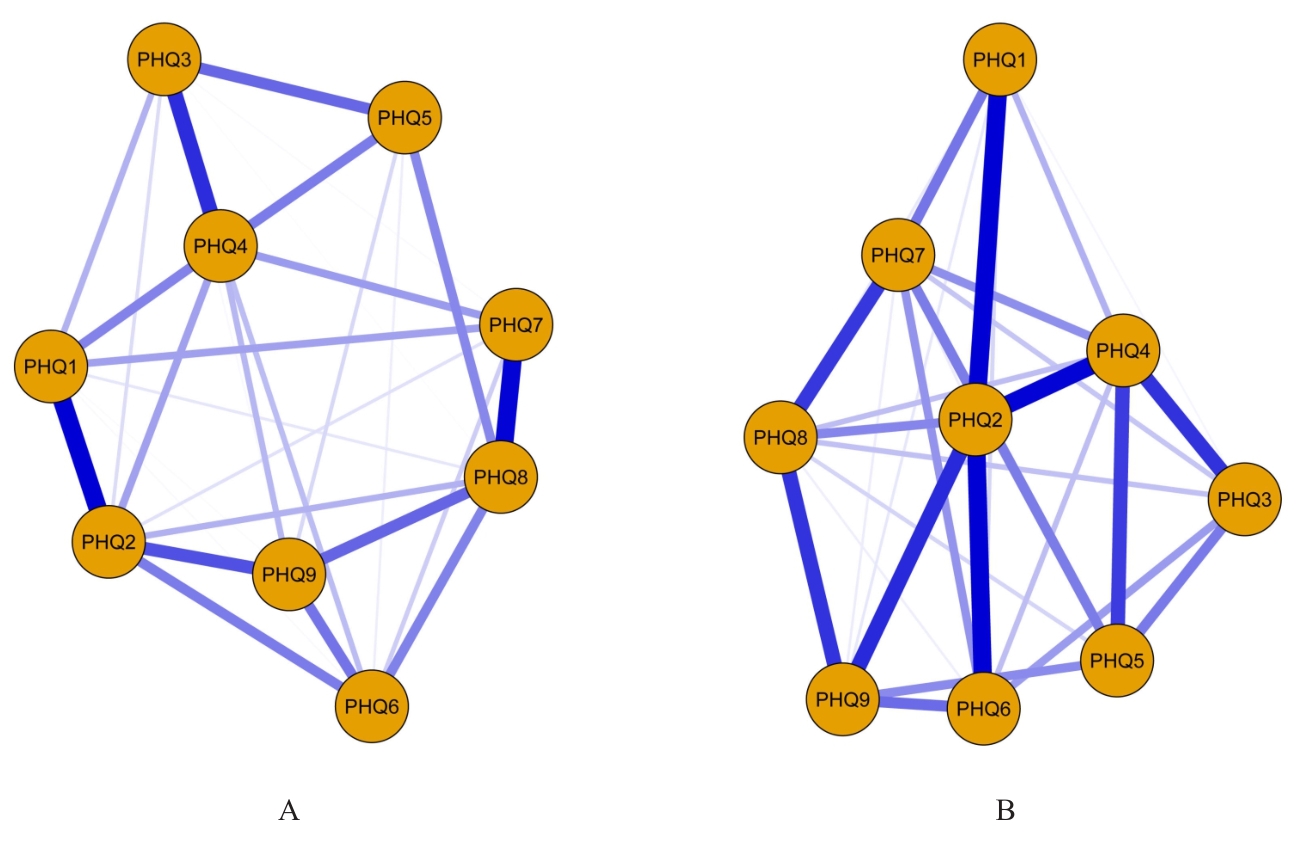
目的 通过对青少年群体抑郁进行症状网络分析,探讨性别及独生子女与非独生子女之间在抑郁症状方面的差异。 方法 在吉林省长春市朝阳区随机选取650名青少年作为样本,采用抑郁筛查自评量表(PHQ-9)对青少年抑郁情况进行问卷调查,对青少年抑郁的核心症状进行网络分析,比较青少年抑郁症状的性别差异及独生子女与非独生子女间的差异。 结果 青少年抑郁的核心症状为心境低落[接近性(Clo)=1.700 5,强度(Str)=1.722 8]和精力缺乏[中介性(Bet)=1.875 1]。核心症状在男性与女性间无差异,但在独生子女与非独生子女之间存在差异,独生子女的抑郁表现还体现在精神运动性激越或迟滞上。在青少年的抑郁症状网络中,快感丧失和心境低落的连接强度最高[边线强度(Edge strength)=0.322 5],并且在男性与女性及独生子女与非独生子女之间存在差异。男性青少年与整体一致,而女性青少年症状网络中精神运动性激越或迟滞与自杀或自伤连接权重最大(Edge strength=0.320 5)。独生子女与整体一致,非独生子女的抑郁症状网络中,心境低落与自我评价低之间的连接最紧密(Edge strength=0.287 4)。 结论 青少年抑郁核心症状存在独生子女与非独生子女间的差异,症状网络的连接强度表现出性别和独生子女与非独生子女间的差异。

关键词: 网络分析, 青少年, 抑郁, 性别, 非独生子女

Abstract:

Objective To discuss the differences in depression symptoms between genders and between only-children and non-only-children among adolescents through symptom network analysis of adolescent depression. Methods A total of 650 adolescents were randomly selected from Chaoyang District, Changchun City, Jilin Province,and they were as the study samples. The Patient Health Questionnaire-9 (PHQ-9) was used to assess depression symptoms in the adolescents; network analysis was performed on the survey results to identify the core symptoms of adolescent depression and to compare gender differences and differences between only-children and non-only-children in depression symptoms. Results The core symptoms of the adolescent depression were depressed mood [Closeness(Clo)=1.700 5, Strength(Str)=1.722 8] and lack of energy [Betweenness(Bet)=1.875 1]. No significant differences in core symptoms were observed between males and females, but significant differences were found between only-children and non-only-children. Depression manifestations in the only-children also included psychomotor agitation or retardation. In the depression symptom network of the adolescents, the strongest edge connection was between anhedonia and depressed mood [Edge strength(Edge strength)=0.322 5], and significant differences were observed between genders and between only-children and non-only-children. The symptom network in male adolescents was consistent with the overall pattern, whereas in female adolescents, the strongest connection was the biggest between psychomotor agitation or retardation and suicidal ideation or self-harm (Edge strength=0.320 5). The symptom network in only-children was consistent with the overall pattern, whereas in non-only-children, the strongest connection was between depressed mood and feelings of worthlessness (Edge strength=0.287 4). Conclusion The core symptoms of the adolescent depression exhibit differences between only-children and non-only-children, and the edge strengths in the symptom network show variations by gender and between only-children and non-only-children.

Key words: Network analysis, Adolescents, Depression, Gender, Non-only-children

中图分类号: 

  • R179