吉林大学学报(工学版) ›› 2025, Vol. 55 ›› Issue (3): 829-838.doi: 10.13229/j.cnki.jdxbgxb.20230590
基于Spearman相关性和燃烧三维数值计算的汽油机碳氢排放分析
赵慧超1( ),刘耀东1(),刘铭礼1,宫艳峰1,李显1,赵川1,孙平2
- 1.中国第一汽车股份有限公司 研发总院,长春 130013
2.吉林大学 汽车仿真与控制国家重点实验室,长春 130022
Analysis of hydrocarbon emissions from gasoline engines based on spearman correlation and three⁃dimensional numerical calculation of combustion
Hui-chao ZHAO1(),Yao-dong LIU1(),Ming-li LIU1,Yan-feng GONG1,Xian LI1,Chuan ZHAO1,Ping SUN2
- 1.R&D Institute,China FAW Group Co. ,Ltd. ,Changchun 130013,China
2.State Key Laboratory of Automotive Simulation and Control,Jilin University,Changchun 130022,China
摘要:
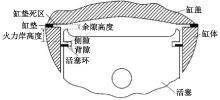
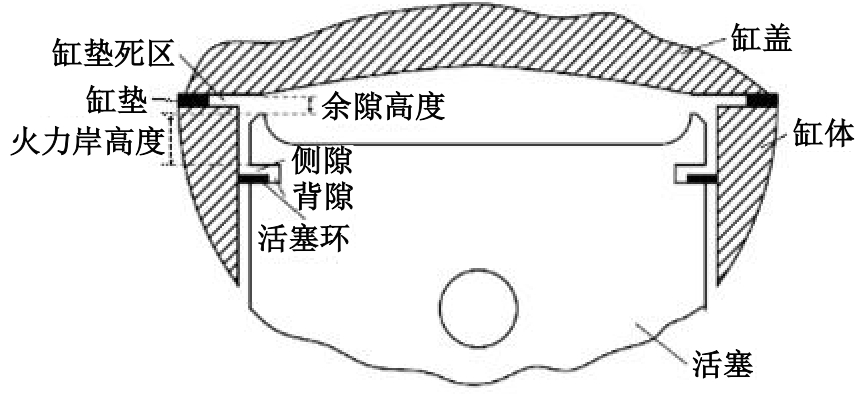
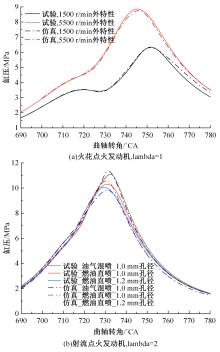
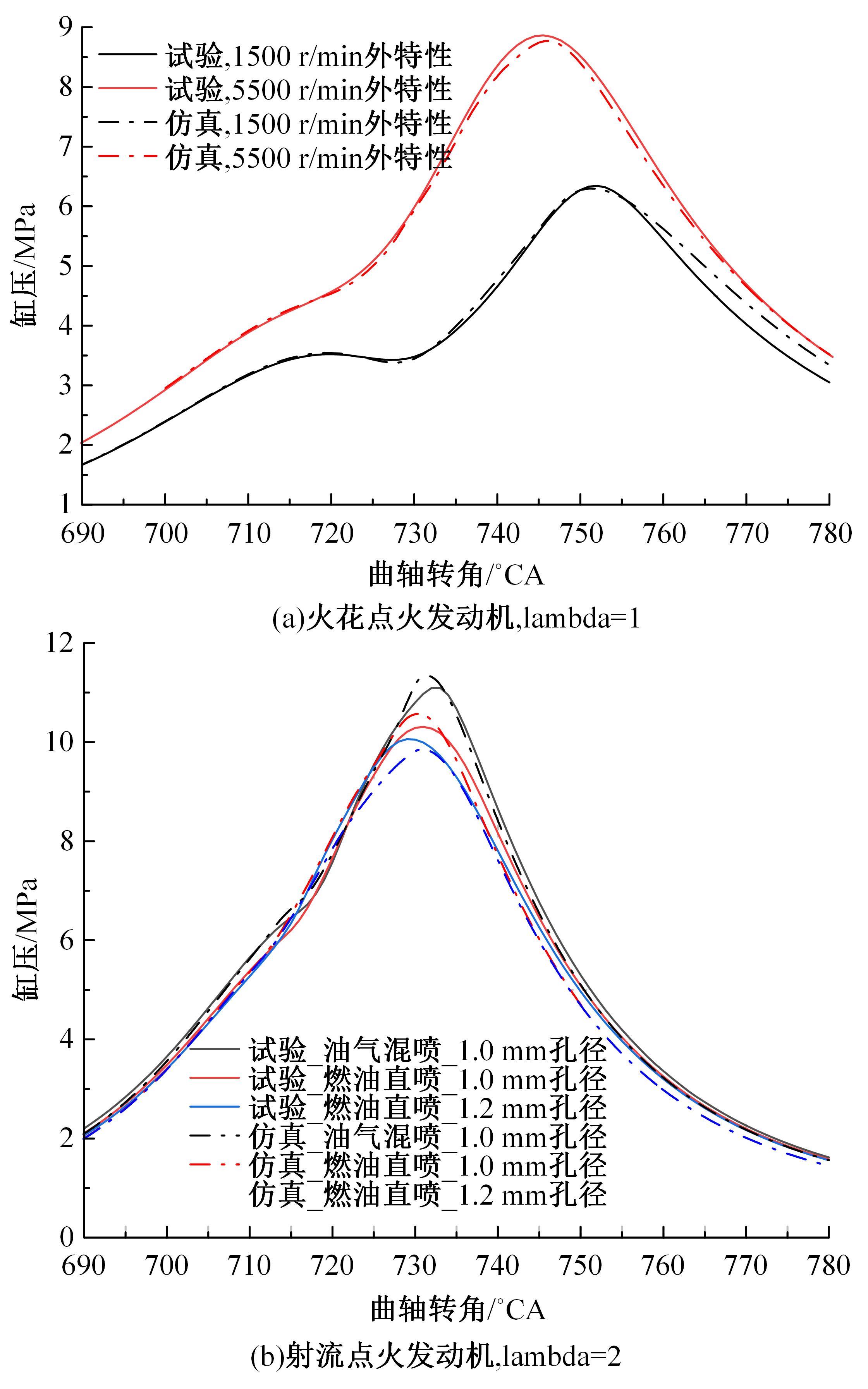
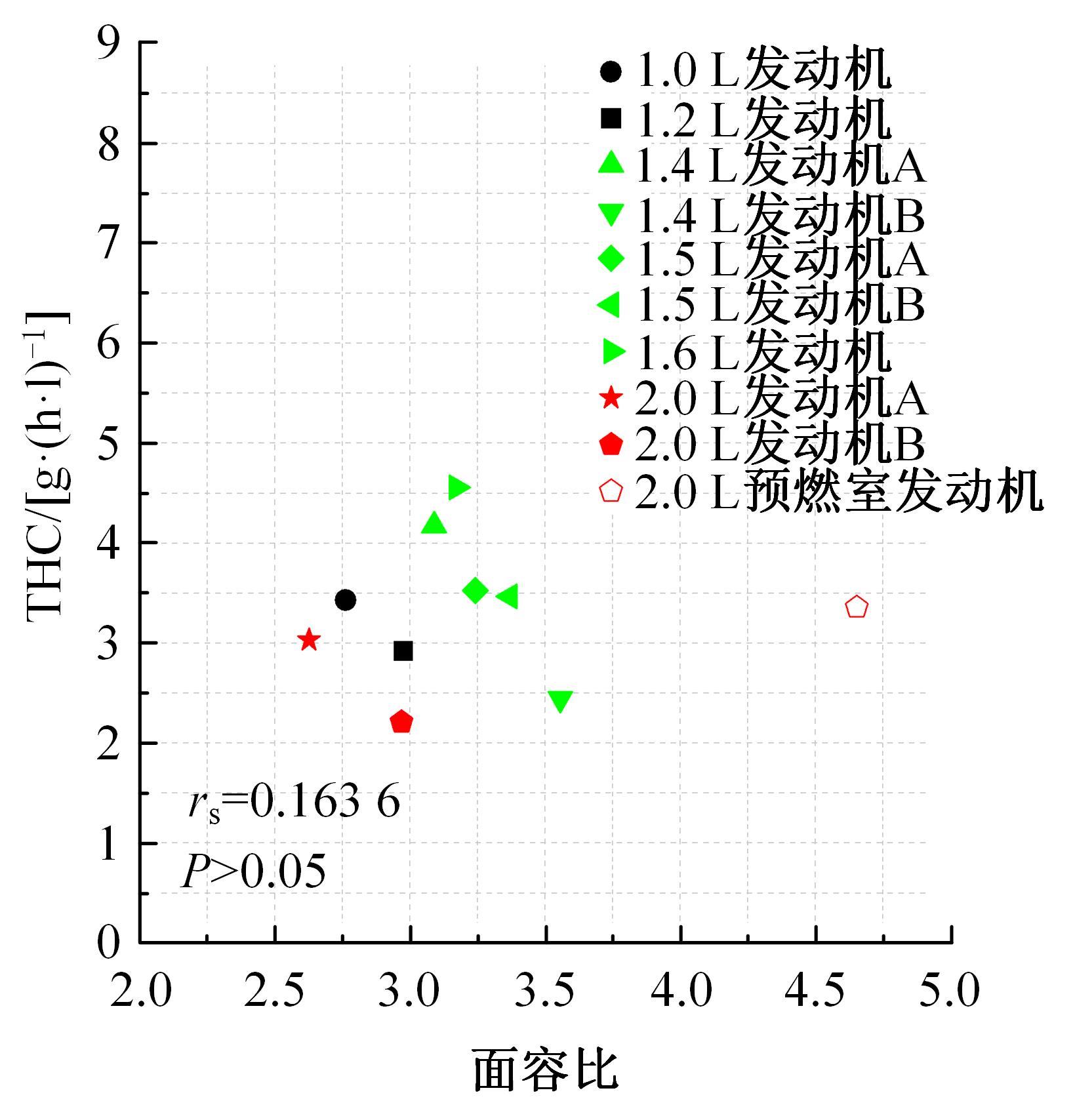
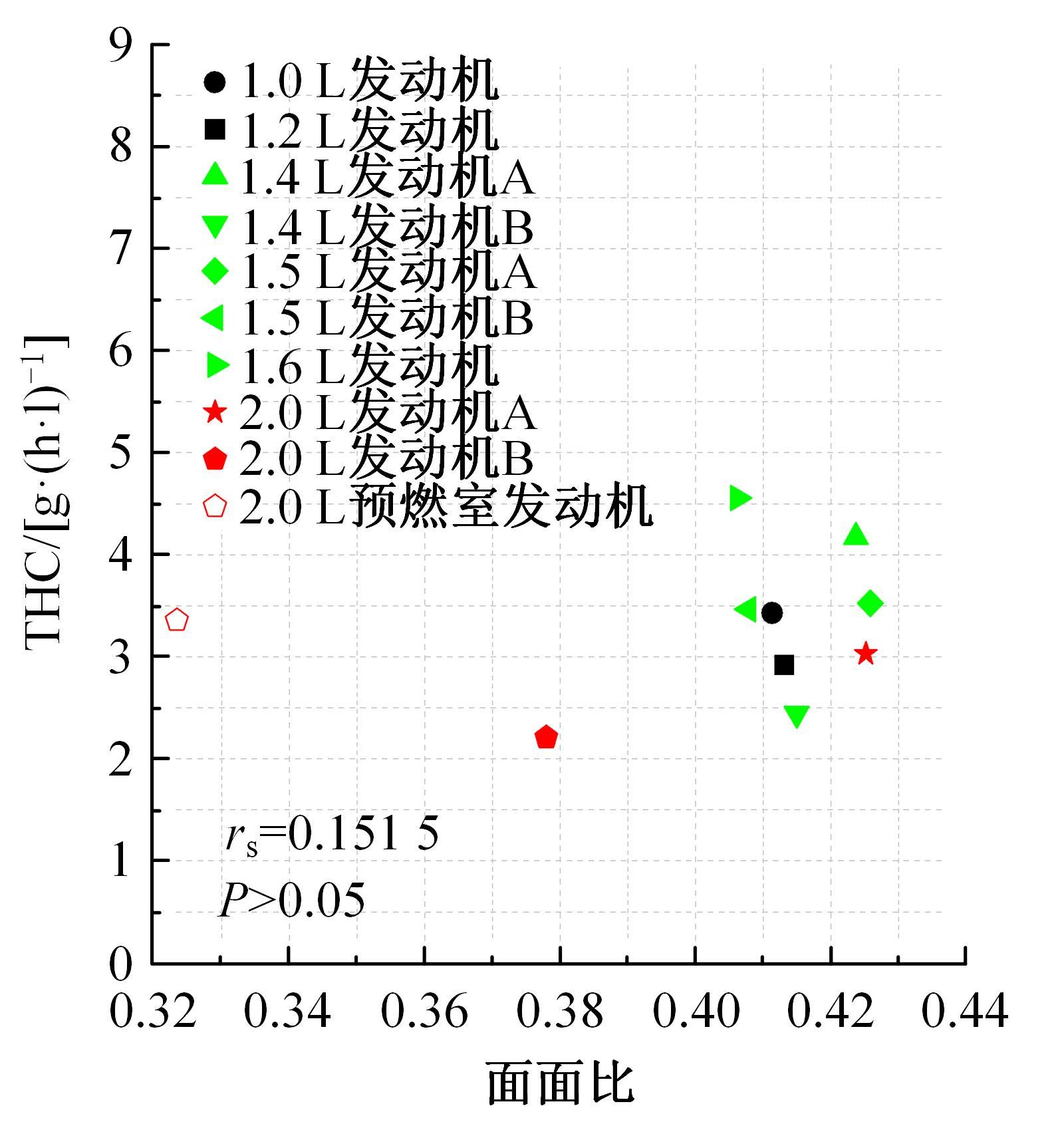
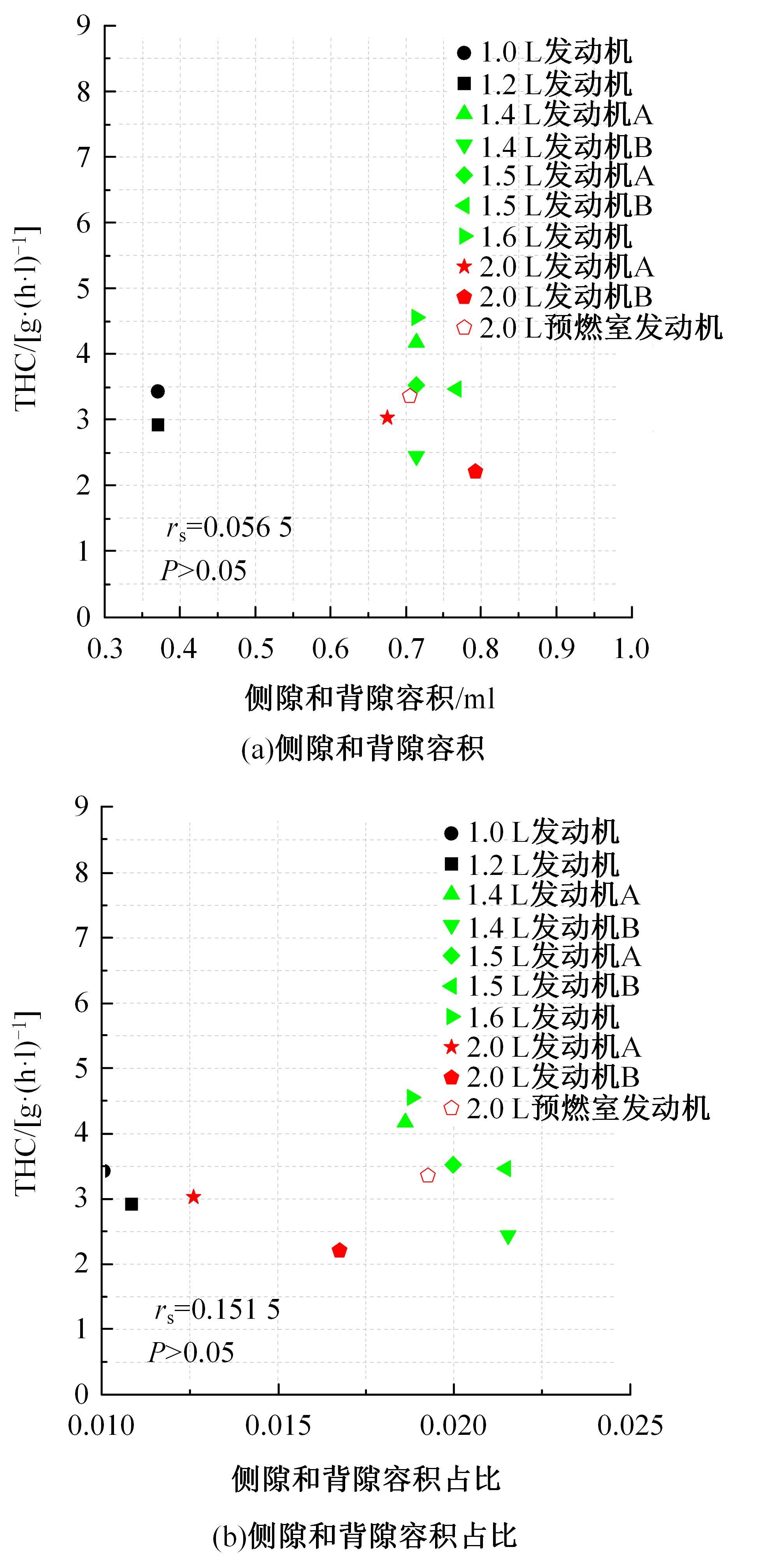
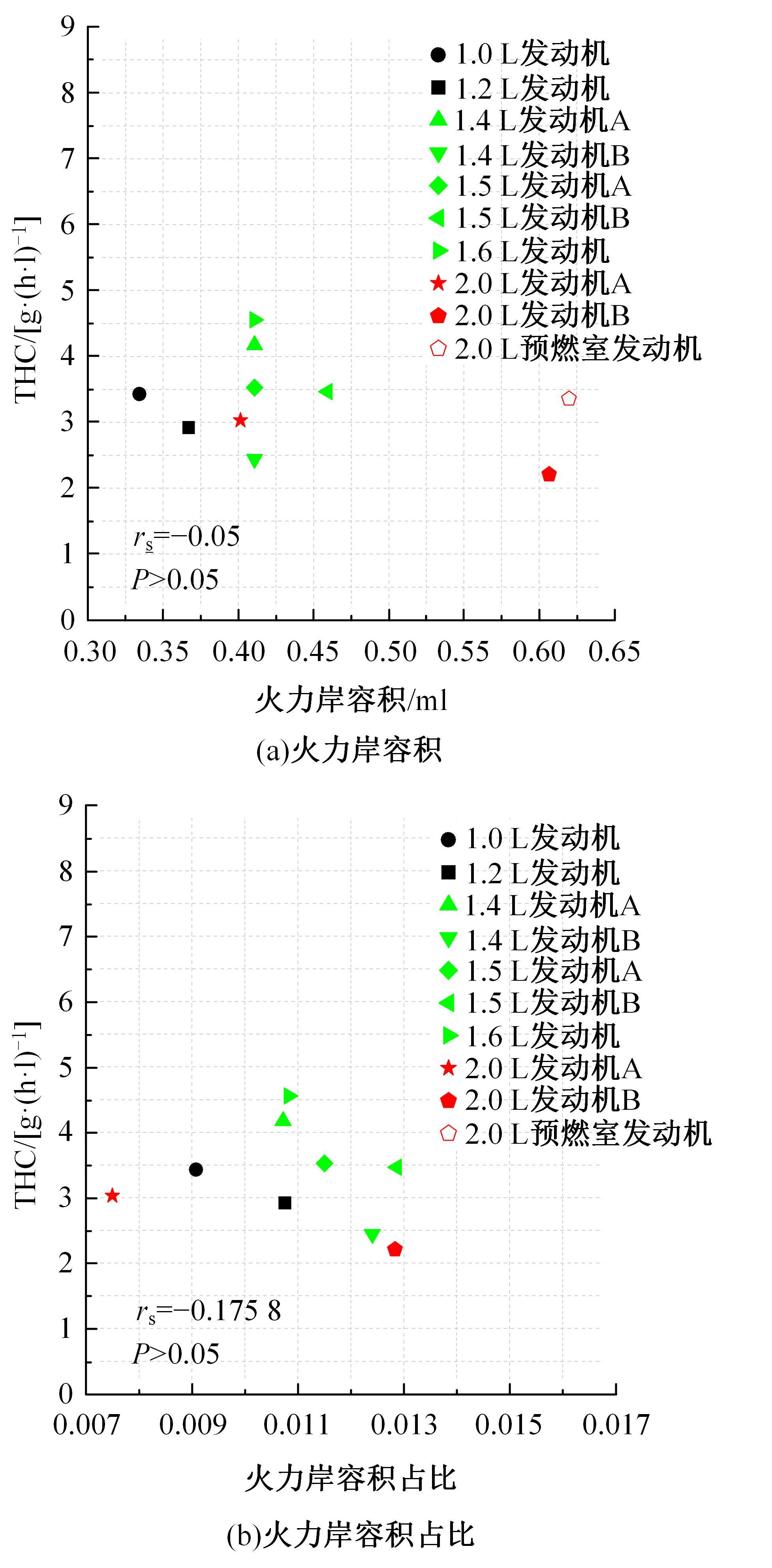
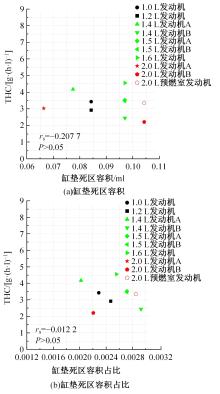
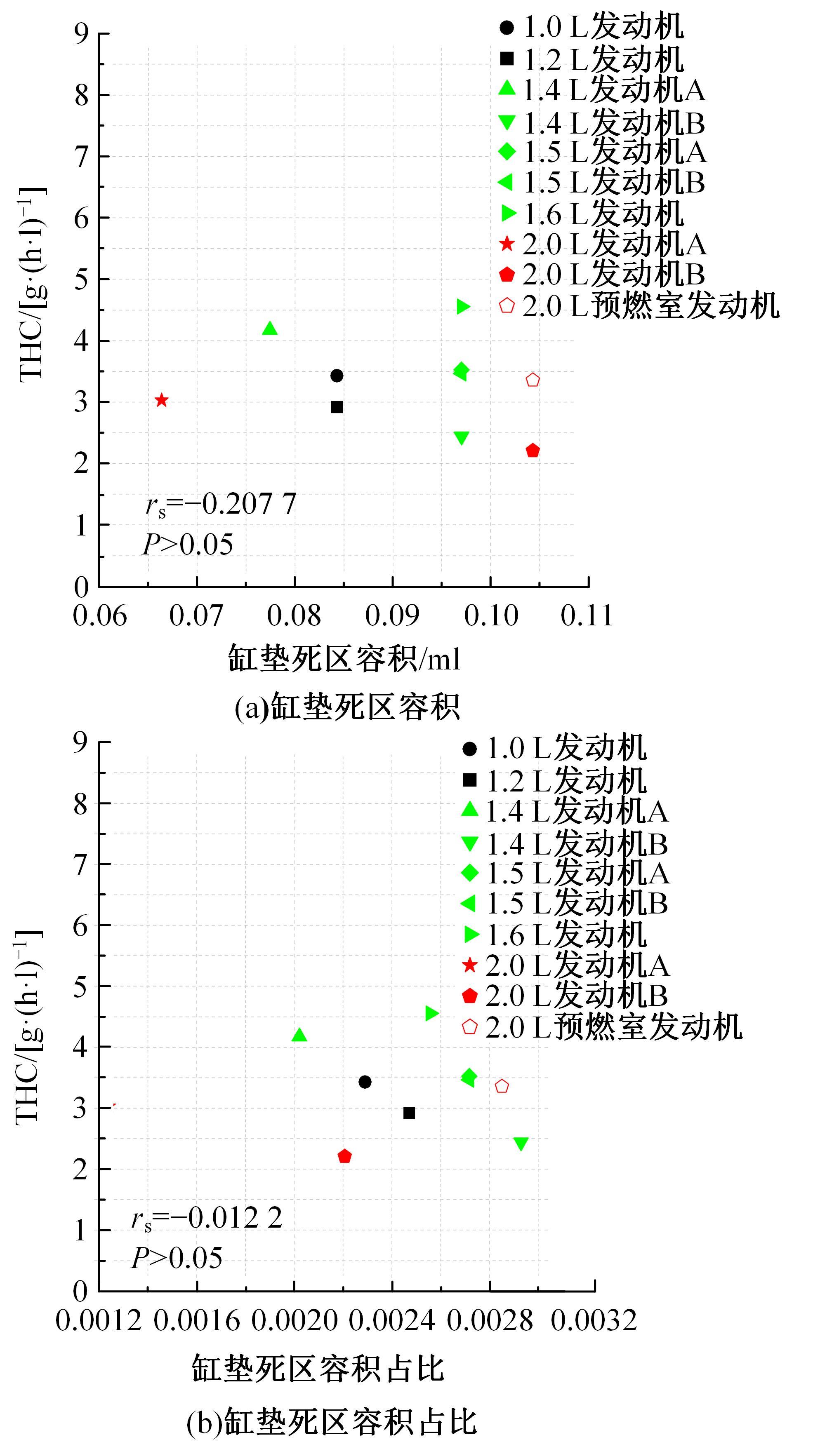
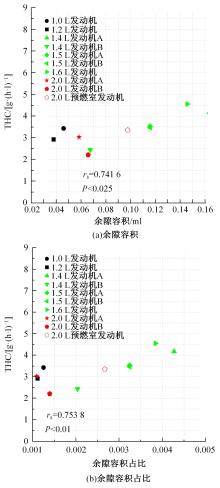
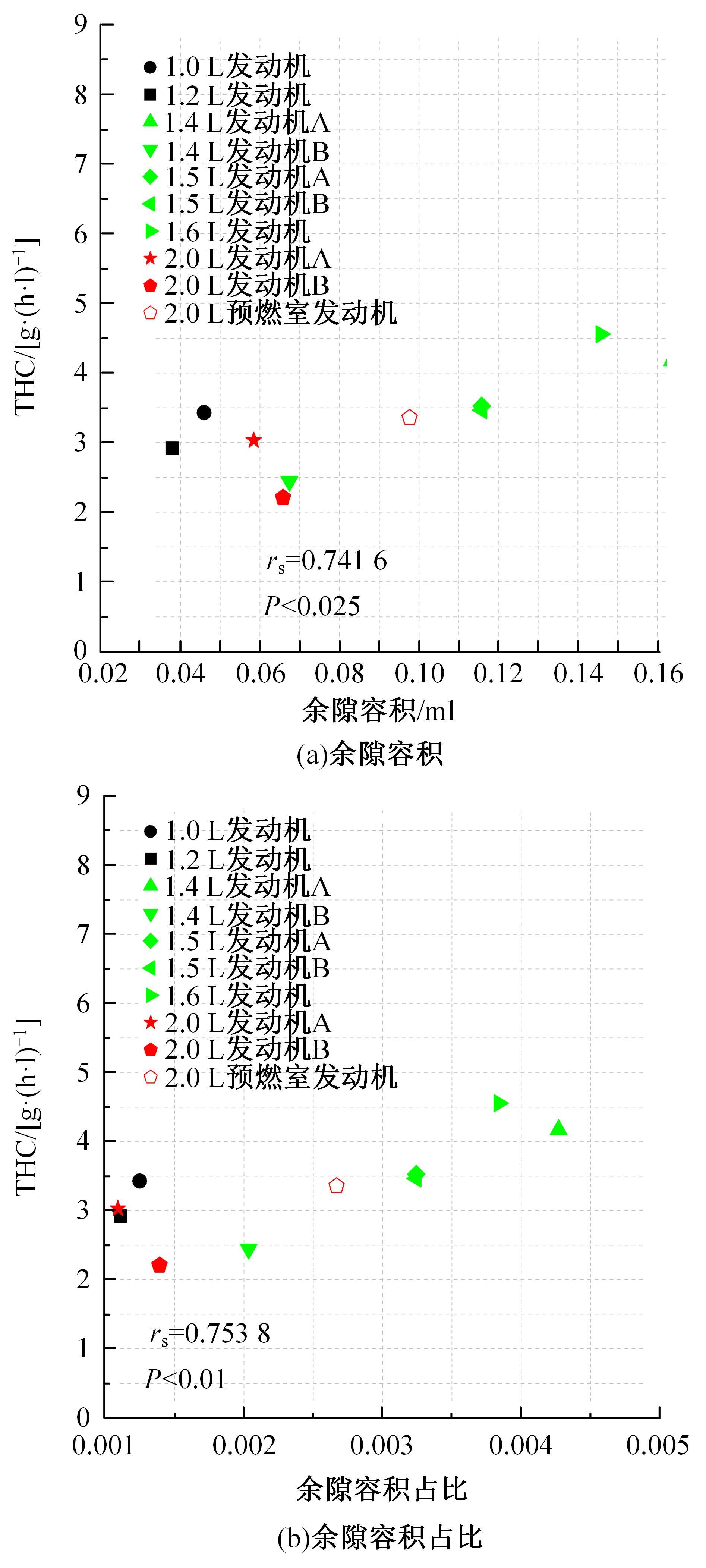
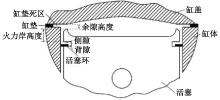
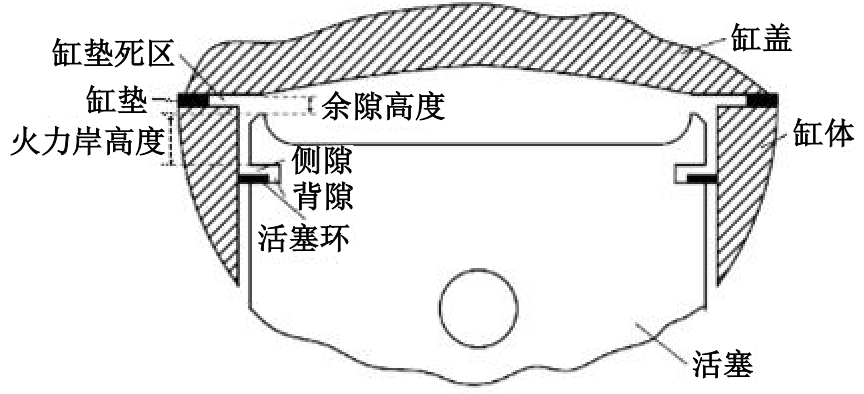
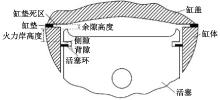
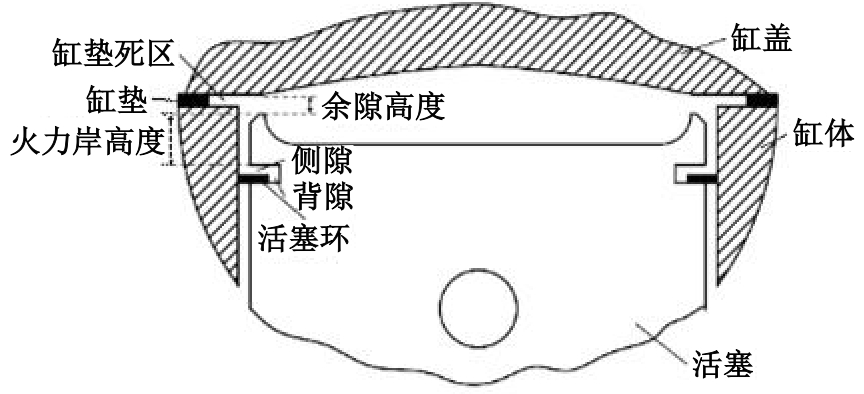
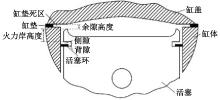
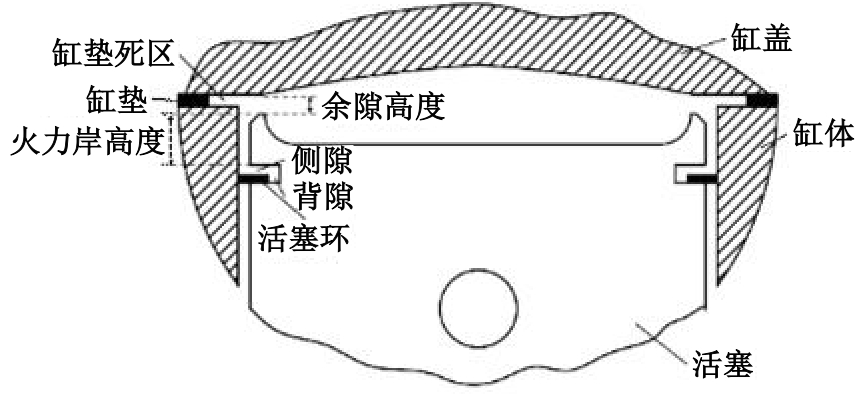
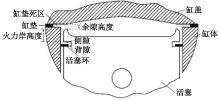
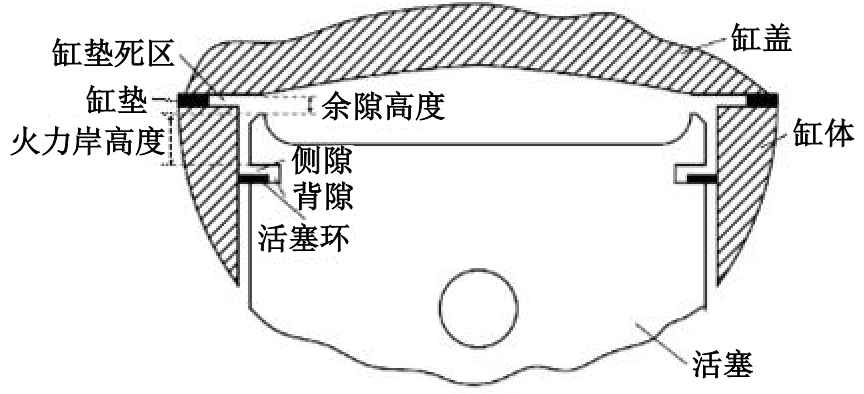
首先,采用Spearman相关性分析,针对不同型号的多种发动机,设计了基于面容比、面面比、侧隙和背隙容积、火力岸容积、缸垫死区容积、余隙容积,以及各容积占比等特征参数,研究了它们在冷启动工况对碳氢排放的影响;随后,采用燃烧三维数值计算的方法,从燃烧室几何结构和燃烧过程的角度解释了影响的原因。研究结果表明:余隙容积和余隙容积占比与冷启动碳氢排放的相关性最强,影响程度也最大,其他特征参数与冷启动碳氢排放相关性很小,其中,余隙容积占比的Spearman相关系数rs为0.753 8,单尾检测P值<0.01,相关性非常显著;预燃室射流点火发动机在冷启动工况符合上述相关性分析的结论,但在热机工况下,由于预燃室的高温射流进入燃烧室余隙较早,引燃了其中的混合气,在燃烧早期就消耗了壁面附近的燃料,所以在当量比燃烧时,碳氢排放显著降低,而在稀薄燃烧时,并没有因为燃烧温度降低而导致碳氢排放升高,这也从另外一个角度解释和印证了余隙容积和余隙容积占比对碳氢排放影响的机理。本文研究结果可以为汽油机燃烧系统结构的合理设计提供理论依据和支撑。
中图分类号:
- TK411

| 1 | 中华人民共和国生态环保部. 中国移动源环境管理年报(2021年)[R]. 北京: 中华人民共和国生态环保部,2021. |
| 2 | Kim D, Shin J, Son Y, et al. Characteristics of in-cylinder flow and mixture formation in a high-pressure spray-guided gasoline direct-injection optically accessible engine using PIV measurements and CFD[J]. Energy Conversion and Management, 2021, 248: No.114819. |
| 3 | Benekos S, Frouzakis C E, Giannakopoulos G K, et al. A 2-D DNS study of the effects of nozzle geometry, ignition kernel placement and initial turbulence on prechamber ignition[J]. Combustion and Flame, 2021, 225(5): 272-290. |
| 4 | Zhu R C, Hu J N, Bao X F,et al. Tailpipe emissions from gasoline direct injection (GDI) and port fuel injection (PFI) vehicles at both low and high ambient temperatures[J]. Environmental Pollution, 2016, 216: 223-234. |
| 5 | Henein N A, Tagomori M K. Cold-start hydrocarbon emissions in port-injected gasoline engines[J]. Progress in Energy & Combustion Science, 1999, 25(6): 563-593. |
| 6 | Luan Y, Henein N A, Tagomori M K. Port-fuel-injection gasoline engine cold start fuel calibration[C]∥SAE Technical Papers, 2006-01-1052. |
| 7 | Zhang Q, Xian K, Li M H. Investigation of performance and emission characteristics on a large-bore spark-ignition natural gas engine with scavenged prechamber and miller cycle attribute [J]. Journal of Energy Engineering, 2017, 143(5): No.04017026. |
| 8 | Li M H, Zhang Q, Li G X. Emission characteristics of a natural gas engine operating in lean-burn and stoichiometric modes[J]. Journal of Energy Engineering, 2016, 142(3): No.04015039. |
| 9 | Albuquerque P, Ávila R, Zárante P, et al. Lubricating oil influence on exhaust hydrocarbon emissions from a gasoline fueled engine[J]. Tribology International, 2011, 44(12): 1796-1799. |
| 10 | 黄佐华, 周龙保, 马凡华,等. 火花点火发动机缸内壁面积碳层处未燃碳氢生成和释放过程的数值计算[J]. 西安交通大学学报, 1994, 28(6):7-14. |
| Huang Zuo-hua, Zhou Long-bao, Ma Fan-hua, et al. Numerical calculation of the generation and release process of unburned hydrocarbons at the carbon layer on the inner wall area of a spark ignition engine cylinder[J]. Journal of Xi'an Jiaotong University, 1994, 28(6): 7-14. | |
| 11 | 杨尚升, 黄勇成, 曹银波. 停缸技术对缸内直喷点燃式发动机燃烧与排放及燃油经济性的影响[J]. 西安交通大学学报, 2020, 54(7): 68-74. |
| Yang Shang-sheng, Huang Yong-cheng, Cao Yin-bo. Influence of cylinder deactivation (CDA) on combustion and emission characteristics and fuel economy of direct-injection spark-iginition engine[J]. Journal of Xi'an Jiaotong University, 2020, 54(7): 68-74. | |
| 12 | Heywood J B. Internal Combustion Engine Fundamentals[M]. New York: McGraw-Hill, 1988. |
| 13 | Spearman C S. The proof and measurement of association between two things[J]. The American Journal of Psychology, 1904, 15(1): 72-101. |
| 14 | Zar J H.Significance testing of the Spearman rank correlation coefficient[J]. Journal of the American Statistical Association, 1972, 67(339): 578-580. |
| 15 | 苗海燕, 黄佐华, 李继军, 等. 汽油机燃用含氧燃料时碳氢生成过程的研究[J]. 西安交通大学学报, 1998, 32(7): 32-36. |
| Miao Hai-yan, Huang Zuo-hua, Li Ji-jun, et al. Reduction of unburned hydrocarbon for spark ignition engine using oxygenated fuel blends [J]. Journal of Xi'an Jiaotong University, 1998, 32(7): 32-36. | |
| 16 | Richards K, Senecal P, Pomraning E. Converge (version 3.0) Manual[M]. Madison: Convergent Science, Inc., 2020. |
| 17 | Han Z, Reitz R D. Turbulence modeling of internal combustion engines using RNG κ-ε models[J]. Combustion Science and Technology, 1995, 106(4-6):267-295. |
| 18 | Han Z, Reitz R D. A temperature wall function formulation for variable-density turbulent flows with application to engine convective heat transfer modeling[J]. International Journal of Heat & Mass Transfer, 1997, 40(3): 613-625. |
| 19 | Long L, Reitz R D, Iyer C O, et al. Modeling knock in spark-ignition engines using a G-equation combustion model incorporating detailed chemical kinetics[C]∥SAE Technical Papers, 2007-01-0165. |
| 20 | Chinnathambi P, Bunce M, Cruff L. RANS based multidimensional modeling of an ultra-lean burn pre-chamber combustion system with auxiliary liquid gasoline injection[C]∥SAE Technical Papers, 2015-01-0386. |
| 21 | Liu Y D, Jia M, Xie M Z, et al.Development of a new skeletal chemical kinetic model of toluene reference fuel with application to gasoline surrogate fuels for computational fluid dynamics engine simulation[J].Energy & Fuels, 2013, 27(8): 4899-4909. |
| 22 | Attard W P, Blaxill H. A lean burn gasoline fueled pre-chamber jet ignition combustion system achieving high efficiency and low NOx at part load[C]∥SAE Technical Papers, 2012-01-1146. |
| 23 | Müller C, Pischinger S, Tews S, et al. Analysis of experimental results with an active pre-chamber ultra-lean burn SI engine[J]. International Journal of Engine Research, 2021, 22(10): 3103-3127. |
| [1] | 吕德淋,周超,韩东. 汽油/丁醇燃料燃烧动力学简化机理的构建和验证[J]. 吉林大学学报(工学版), 2023, 53(5): 1264-1271. |
| [2] | 赵同宾,吴宜胜,段耀宗,黄震,韩东. RP-3航空煤油的润滑特性和改善措施[J]. 吉林大学学报(工学版), 2022, 52(3): 533-540. |
| [3] | 于水,董光宇 ,吴志军,李理光 . 混合动力汽车发动机快速起动瞬态燃烧和碳氢排放 [J]. 吉林大学学报(工学版), 2008, 38(05): 1034-1039. |
|
||