Journal of Jilin University(Medicine Edition) ›› 2026, Vol. 52 ›› Issue (3): 764-780.doi: 10.13481/j.1671-587X.20260319
• Research in clinical medicine • Previous Articles
Differences in immune microenvironment between DEB-TACE and c-TACE in treatment of hepatocellular carcinoma and mechanism of TRADD-mediated Th17 differentiation
Gengfei CAO1, SHAYA·Mahati2,Junpeng GU1,Weizheng JI1, ASIHAER·Hasimu1,Weixin REN1( )
)
- 1.Department of Interventional Radiology,First Affiliated Hospital,Xinjiang Medical University,Urumqi 830054,China
2.Department of Oncology,First Affiliated Hospital,Xinjiang Medical University,Urumqi 830054,China
-
Received:2025-11-02Accepted:2026-02-03Online:2026-05-28Published:2026-06-08 -
Contact:Weixin REN E-mail:rwx1031@163.com

CLC Number:
- R735.7
Cite this article
Gengfei CAO, SHAYA·Mahati,Junpeng GU,Weizheng JI, ASIHAER·Hasimu,Weixin REN. Differences in immune microenvironment between DEB-TACE and c-TACE in treatment of hepatocellular carcinoma and mechanism of TRADD-mediated Th17 differentiation[J].Journal of Jilin University(Medicine Edition), 2026, 52(3): 764-780.
share this article
Tab.1
Top 10 DEGs in C1 group"
| Gene_ID | Cell type | Fold change | P value |
|---|---|---|---|
| AIM2 | Activated CD4+T lymphocytes | 20.368 553 210 | 0.013 000 638 |
| PDCD1 | T follicular helper cell | 15.579 615 880 | 0.011 096 163 |
| CLEC5A | Regulatory T lymphocytes | 14.950 457 650 | 0.017 072 651 |
| ANKRD22 | Th17 cell | 14.514 970 750 | 0.016 330 799 |
| FASLG | Natural killer cell | 13.856 520 250 | 0.015 023 090 |
| HOXA1 | CD56 bright natural killer cell | 13.207 607 280 | 0.005 457 394 |
| BCL11B | CD56 bright natural killer cell | 11.030 248 040 | 0.011 544 782 |
| KLRC1 | Natural killer cell | 10.429 241 360 | 0.038 653 619 |
| CDH3 | CD56 bright natural killer cell | 9.706 281 760 | 0.015 512 624 |
| CD70 | Type 1 T helper cell | 9.309 774 469 | 0.000 586 023 |
| L1CAM | Regulatory T lymphocytes | 9.298 367 003 | 0.006 524 248 |
Tab.2
DEGs in C3 group"
| Gene_ID | Cell type | Fold change | P value |
|---|---|---|---|
| ABHD3 | Central memory CD4+T lymphocytes | 1.299 519 371 | 0.031 902 364 |
| ANK1 | Th17 cell | 15.934 043 830 | 5.156 56E-05 |
| ANKRD22 | Th17 cell | 6.135 125 138 | 0.023 938 76 |
| BZW2 | Central memory CD4+T lymphocytes | 1.475 780 042 | 0.012 213 002 |
| CAMTA1 | Th17 cell | 1.103 822 788 | 0.026 864 438 |
| CCDC65 | Th17 cell | 1.407 963 750 | 0.047 138 832 |
| CD40 | Th17 cell | 1.621 074 362 | 0.017 409 637 |
| CD63 | Central memory CD4+T lymphocytes | 1.306 966 557 | 0.000 565 941 |
| ELMO2 | Central memory CD4+T lymphocytes | 1.442 394 442 | 0.025 307 557 |
| IFT80 | Th17 cell | 1.486 992 324 | 0.023 311 561 |
| IL17RA | Th17 cell | 2.020 523 713 | 0.012 006 794 |
| IL23A | Th17 cell | 1.870 852 777 | 0.011 222 365 |
| ITGB1 | Central memory CD4+T lymphocytes | 1.129 685 920 | 0.047 012 047 |
| LSP1 | Central memory CD4+T lymphocytes | 2.381 922 808 | 0.030 755 375 |
| SFXN3 | Central memory CD4+T lymphocytes | 1.909 800 611 | 0.002 226 840 |
| STX4 | Central memory CD4+T lymphocytes | 1.432 307 982 | 0.005 207 203 |
| TNIP2 | Th17 cell | 1.535 863 268 | 0.008 326 440 |
| TRADD | Central memory CD4+T lymphocytes | 1.701 717 402 | 0.007 064 042 |
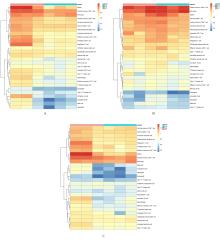
Fig. 1
Heatmaps of immune cell infiltration in HCC tissue of patients in various groups"
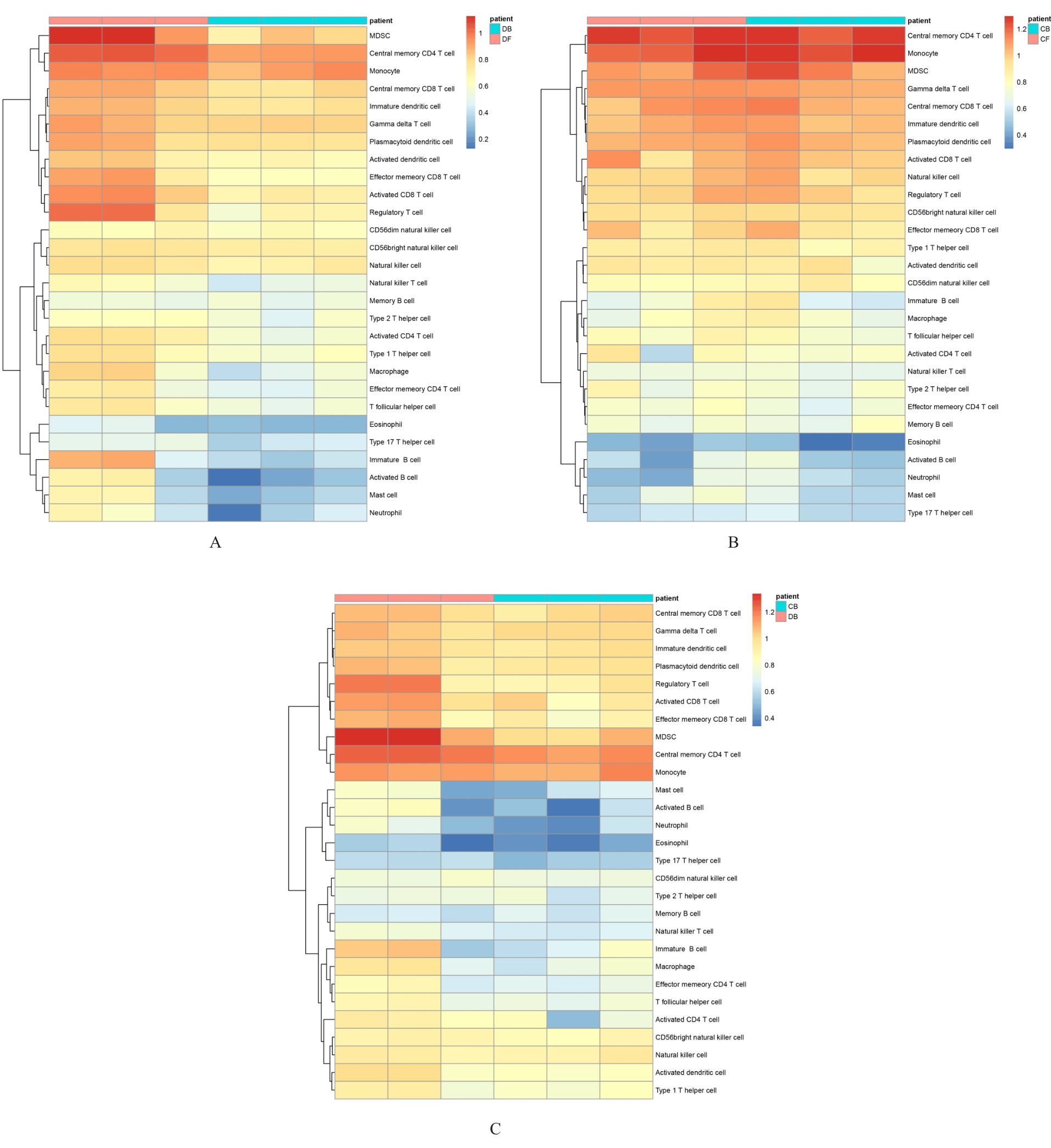
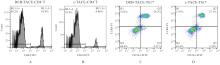
Fig. 2
Flow cytometry sorting diagrams of CD4+ T lymphocytes in HCC tissue of patients in various groups"
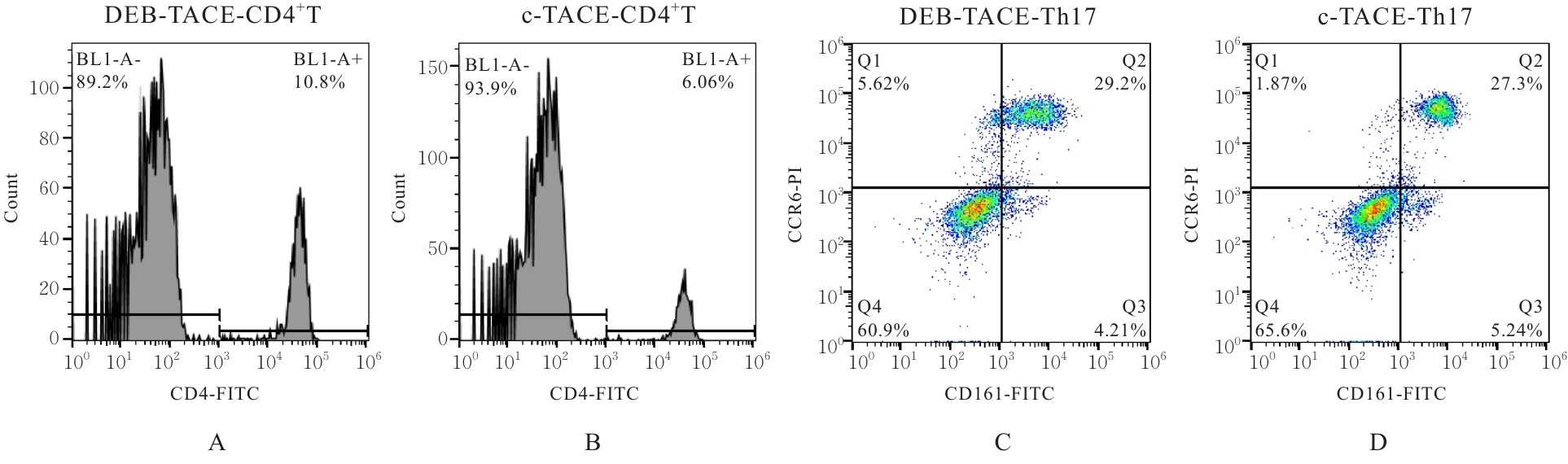
Fig. 3
Fluorescence intensities of TRADD, IL-23A, LSP1, and ITGB1 proteins in cells in various groups detected by immunofluorescence method"
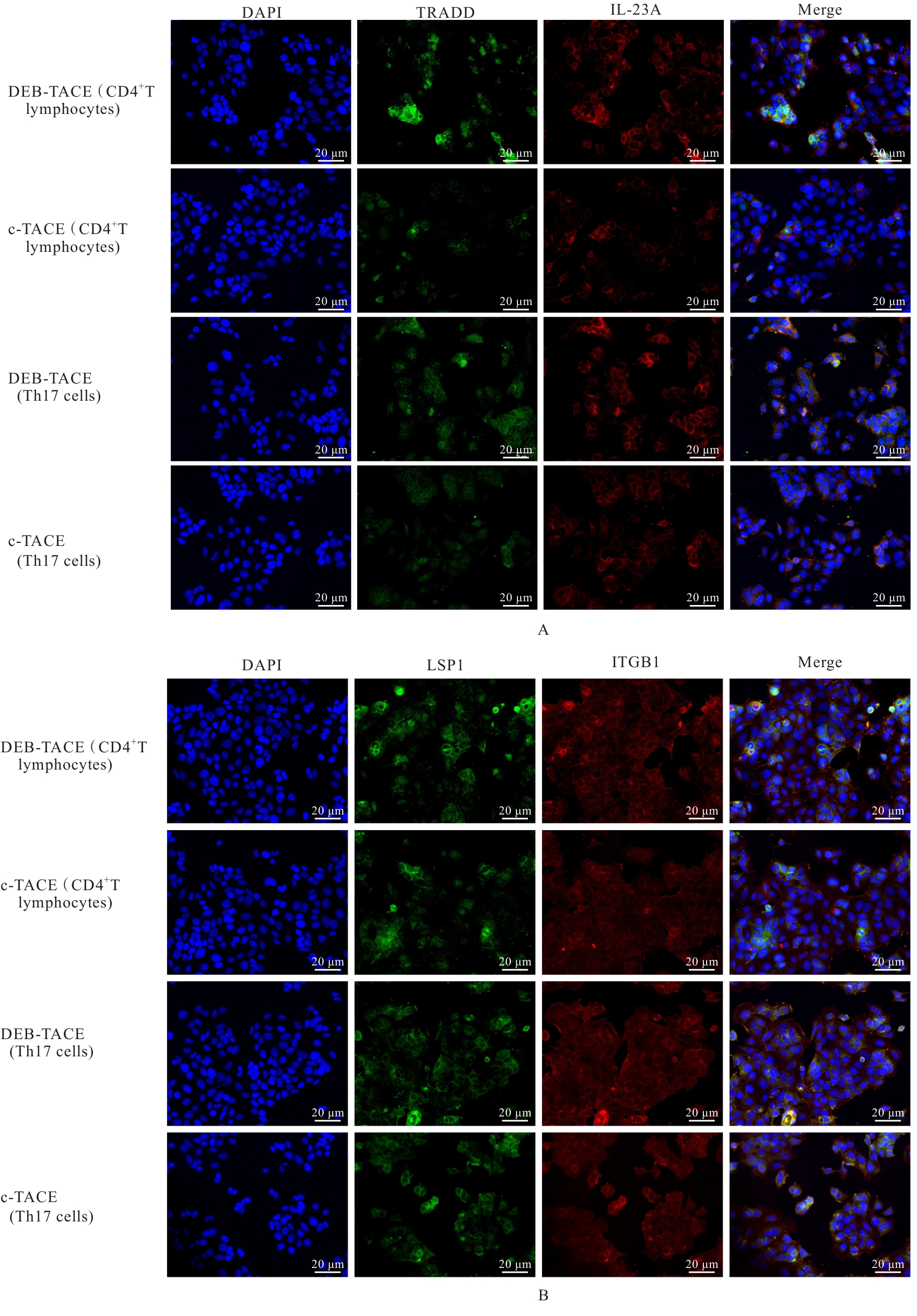
Fig. 4
Fluorscence intensities of TRADD, IL-23A, LSP1, and ITGB1 proteins in cells in various groups"
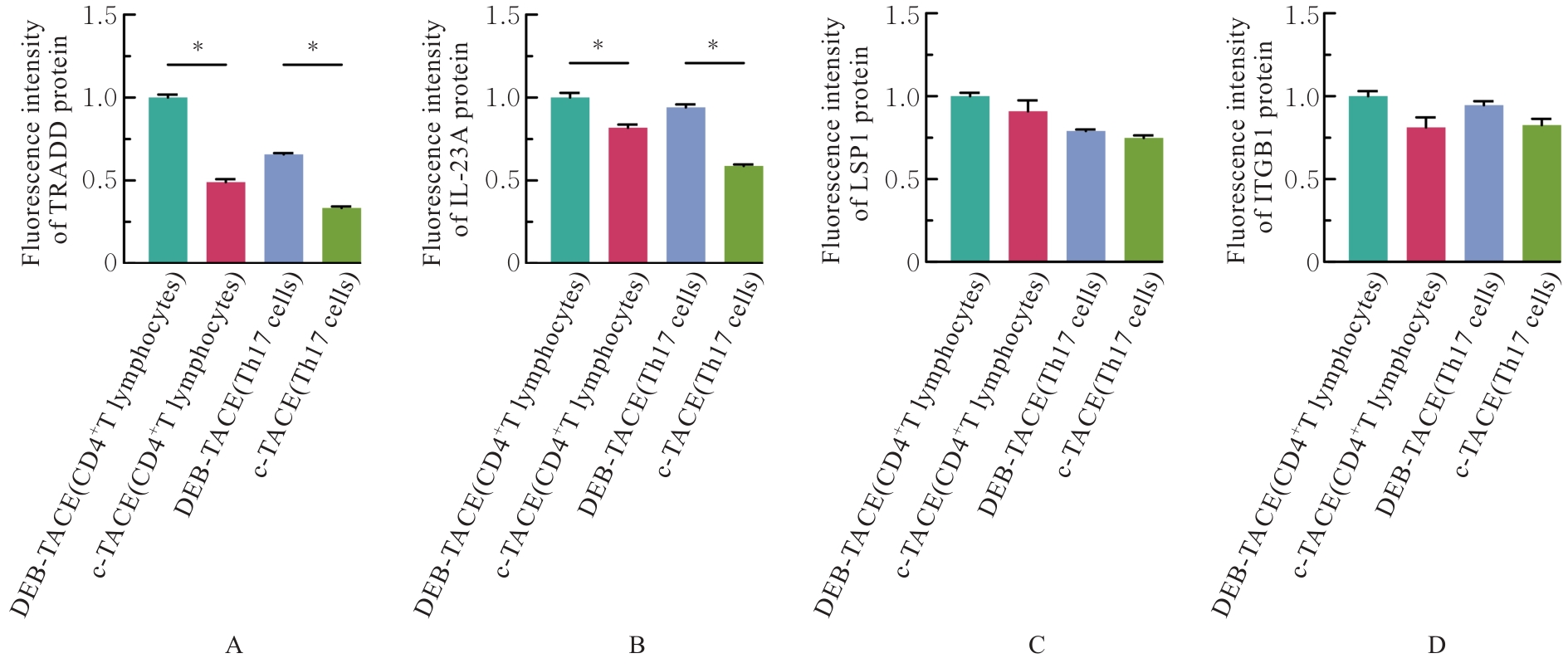
Fig. 5
Fluorescence intensities of CD161 and CCR6 proteins in cells in various groups after JAK inhibitor treatment detected by immunofluorescence method"
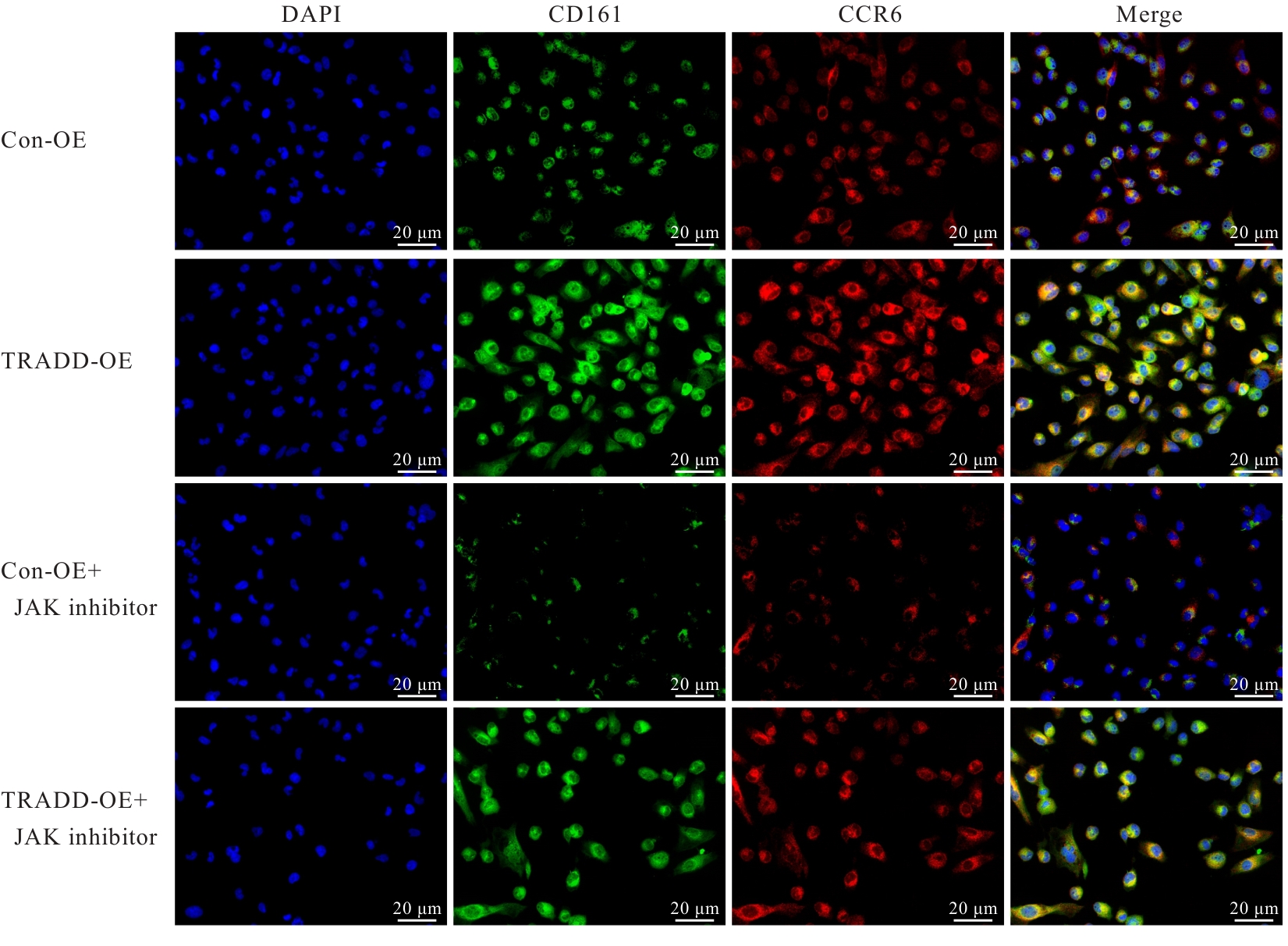
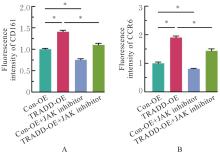
Fig. 6
Fluorescence intensities of CD161(A) and CCR6(B) protein in cells in various groups after JAK inhibitor treatment"
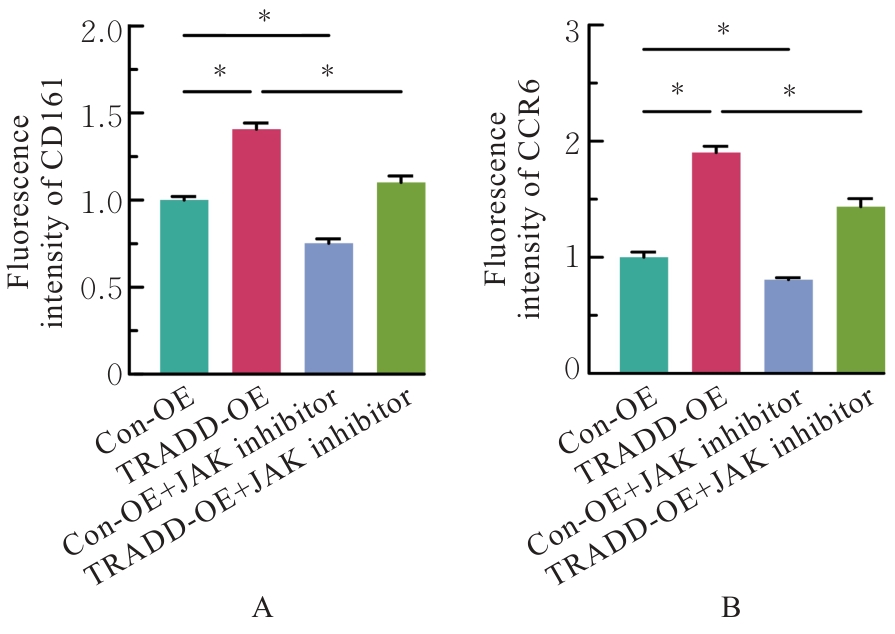
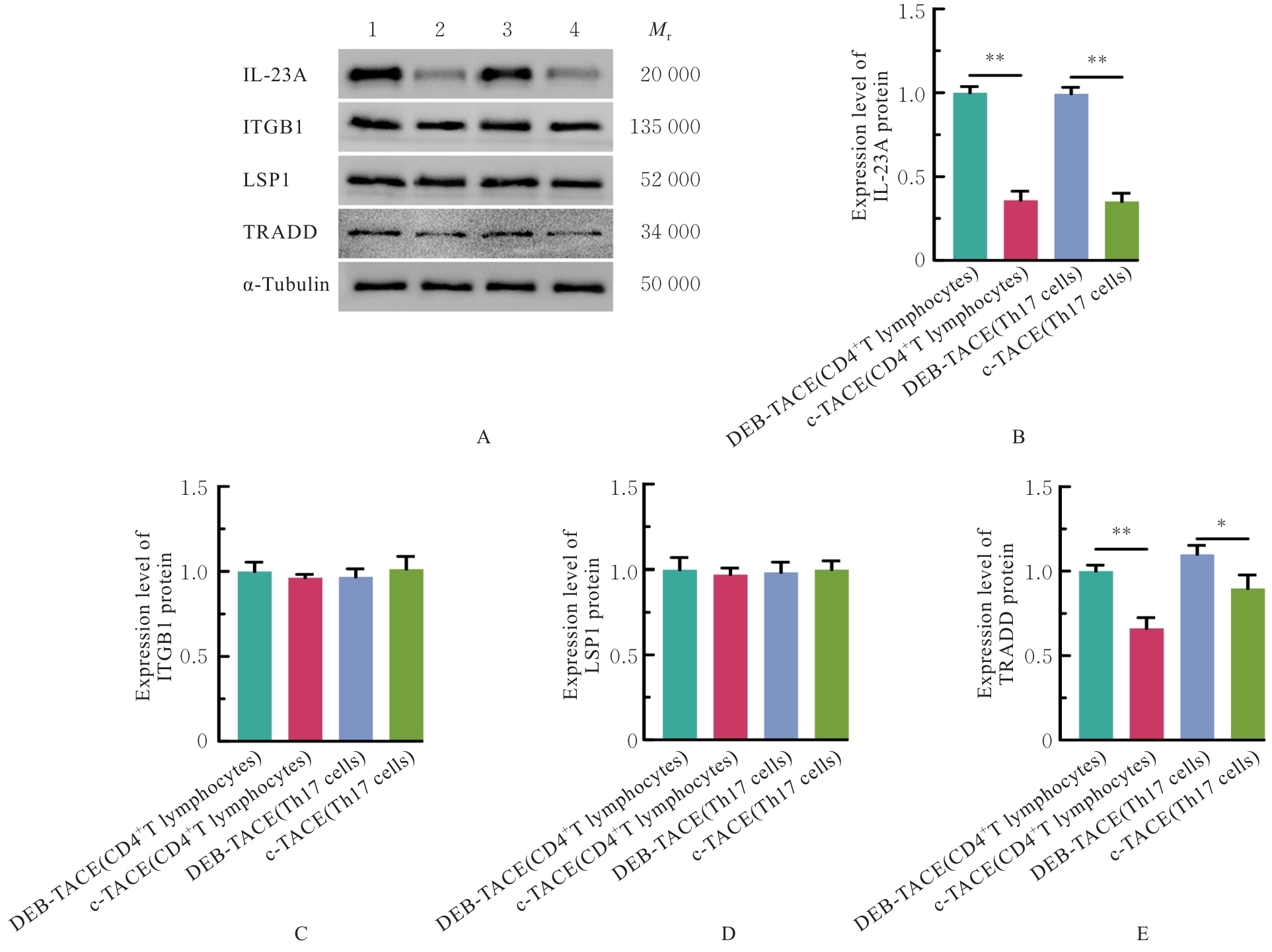
Fig. 7
Electrophoregram(A) and histograms(B-E) of expressions of TRADD, IL-23A, LSP1, and ITGB1 proteins in cells in various groups"
Tab.3
Expression levels of mRNA of immune-related genes in CD4+ T lymphocytes and Th17 cells"
| Group | Cell type | TRADD mRNA | IL-23A mRNA | LSP1 mRNA | ITGB1 mRNA |
|---|---|---|---|---|---|
| c-TACE | CD4+T | 0.83±0.07 | 0.58±0.02 | 0.94±0.05 | 1.04±0.05 |
| Th17 | 0.81±0.02 | 0.57±0.01 | 0.97±0.02 | 0.98±0.01 | |
| DEB-TACE | CD4+T | 1.00±0.03* | 1.00±0.02* | 1.00±0.03 | 1.00±0.02 |
| Th17 | 1.01±0.06* | 0.99±0.05* | 0.98±0.05 | 0.97±0.04 |
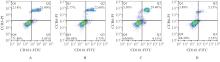
Fig. 8
Percentages of Th17 cells in various groups detected by flow cytometry"
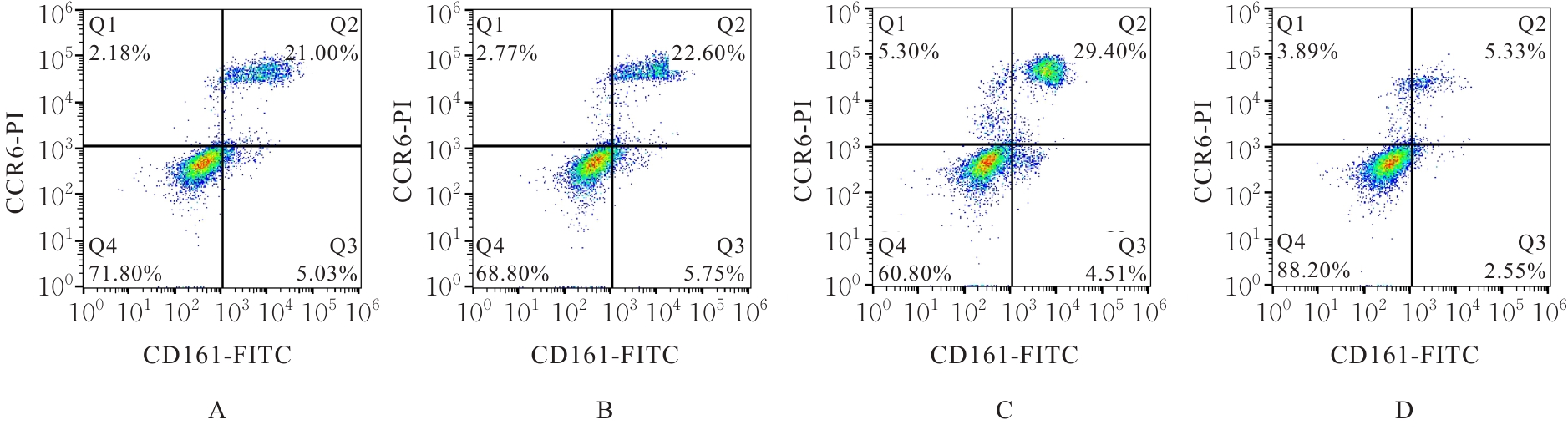
Fig. 9
Percentages of Th17 cells in various groups after JAK inhibitor treatment detected by flow cytometry"
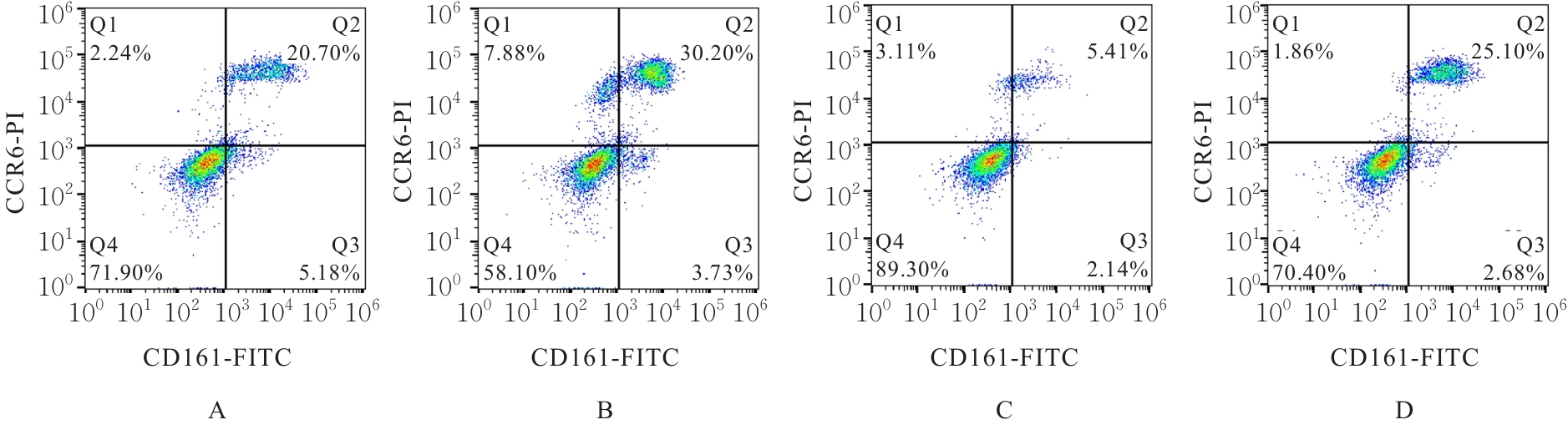
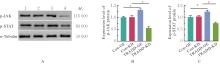
Fig. 10
Electrophoregram(A) and histograms(B, C) of expressions of p-JAK and p-STAT proteins in cells in various groups"
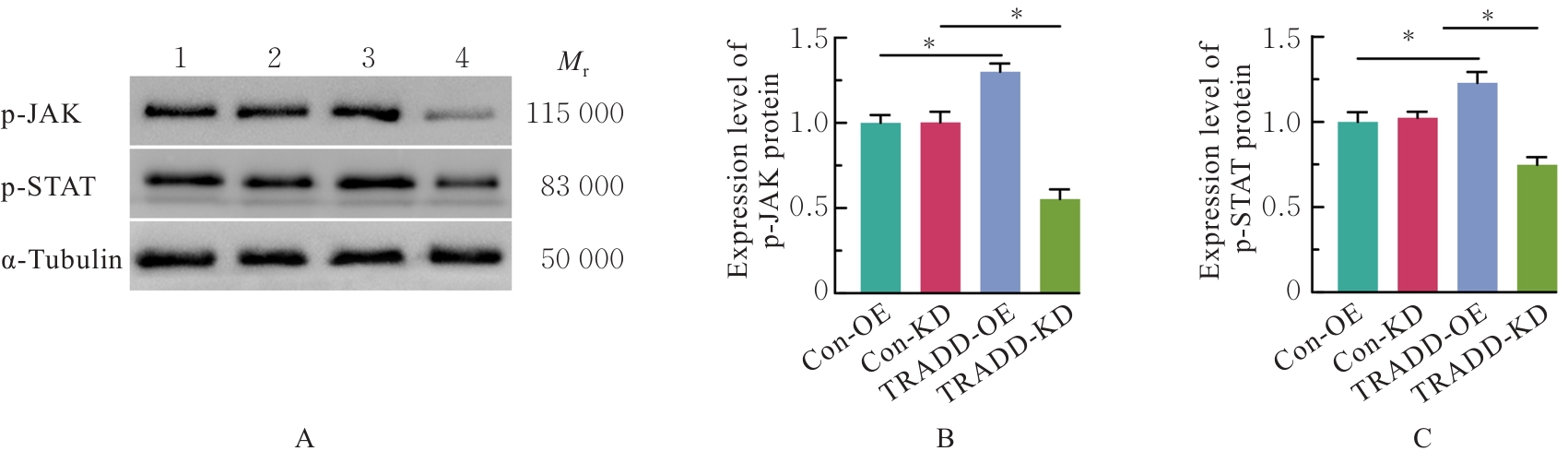
Fig. 11
Electrophoregram (A) and histograms (B,C) of expressions of AHR and RORγt proteins in cells in various groups"
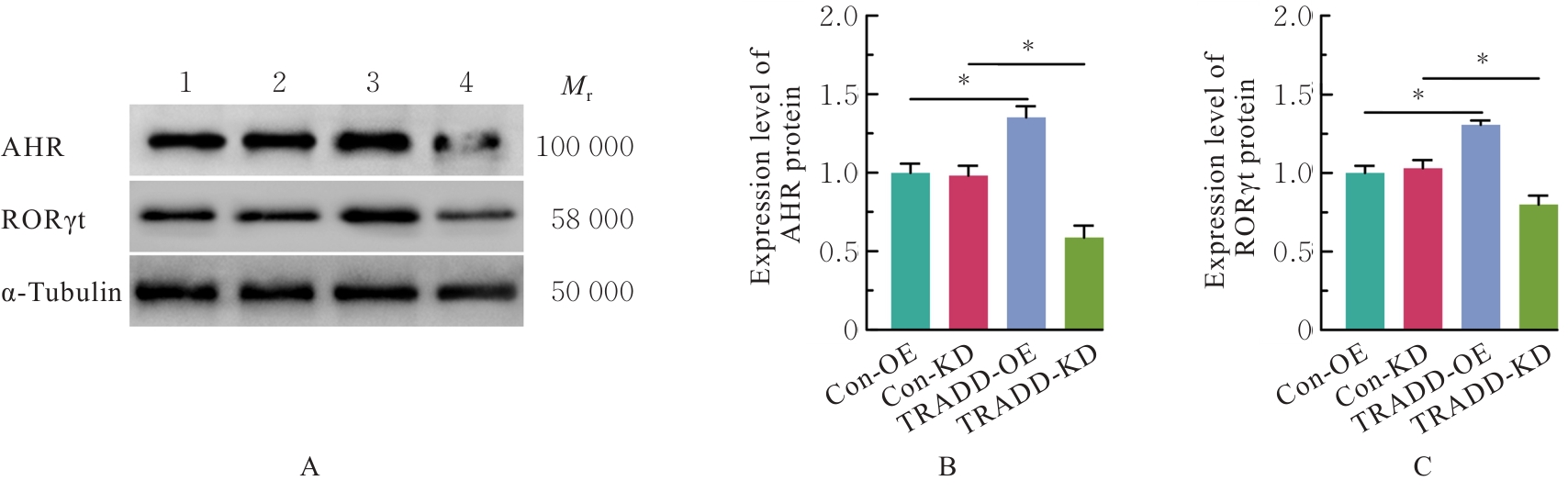
Fig. 12
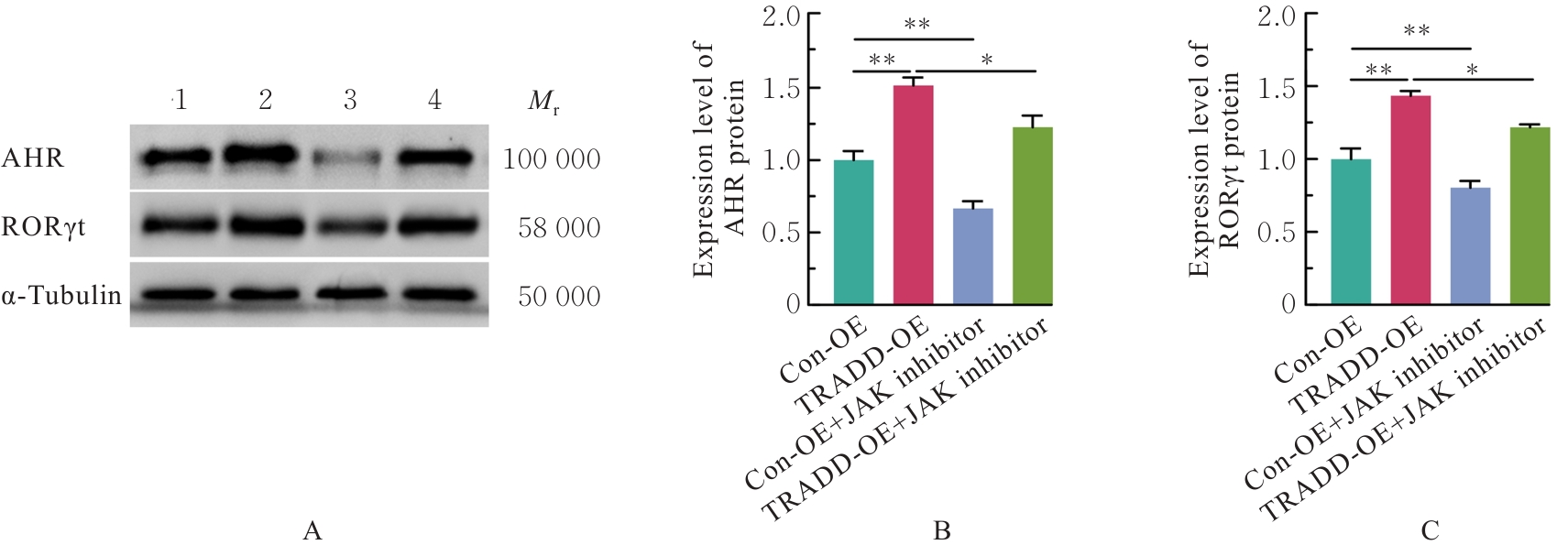
Electrophoregram (A) and histograms (B,C) of expressions of AHR and RORγt proteins in cells in various groups after JAK inhibitor treatment"
Tab. 4
Expression levels of AHR and RORγt mRNA in CD4+T lymphocytes in various groups"
| Group | AHR mRNA | RORγt mRNA |
|---|---|---|
| Con-OE | 1.00±0.06 | 1.00±0.10 |
| Con-KD | 1.08±0.10 | 1.05±0.10 |
| TRADD-OE | 2.98±0.01* | 1.52±0.06* |
| TRADD-KD | 0.63±0.05△ | 0.88±0.12△ |
Tab.5
Expression of AHR and RORγt mRNA in cells in various groups after mRNA treated with JAK inhibitor (n=3,x±s)"
| Group | AHR mRNA | RORγt mRNA |
|---|---|---|
| Con-OE | 1.01±0.11 | 1.01±0.13 |
| TRADD-OE | 1.56±0.23 | 1.64±0.13 |
| Con-OE+JAK inhibitor | 0.69±0.06* | 0.65±0.13* |
| TRADD-OE+JAK inhibitor | 1.25±0.12△ | 1.13±0.11△ |
| [1] | SUNG H, FERLAY J, SIEGEL R L, et al. Global cancer statistics 2020: GLOBOCAN estimates of incidence and mortality worldwide for 36 cancers in 185 countries[J]. CA Cancer J Clin, 2021, 71(3): 209-249. |
| [2] | VOGEL A, MEYER T, SAPISOCHIN G, et al. Hepatocellular carcinoma[J]. Lancet, 2022, 400(10360): 1345-1362. |
| [3] | REIG M, FORNER A, RIMOLA J, et al. BCLC strategy for prognosis prediction and treatment recommendation: The 2022 update[J]. J Hepatol, 2022, 76(3): 681-693. |
| [4] | EUROPEAN ASSOCIATION FOR THE STUDY OF THE LIVER. EASL Clinical Practice Guidelines: Management of hepatocellular carcinoma[J]. J Hepatol, 2018, 69(1): 182-236. |
| [5] | RAOUL J L, FORNER A, BOLONDI L, et al. Updated use of TACE for hepatocellular carcinoma treatment: How and when to use it based on clinical evidence[J]. Cancer Treat Rev, 2019, 72: 28-36. |
| [6] | FACCIORUSSO A. Drug-eluting beads transarterial chemoembolization for hepatocellular carcinoma: Current state of the art[J]. World J Gastroenterol, 2018, 24(2): 161-169. |
| [7] | HUANG K J, ZHOU Q, WANG R, et al. Doxorubicin-eluting beads versus conventional transarterial chemoembolization for the treatment of hepatocellular carcinoma[J]. J Gastroenterol Hepatol, 2014, 29(5): 920-925. |
| [8] | WANG Z Y, XIE C F, FENG K L, et al. Drug-eluting beads versus conventional transarterial chemoembolization for the treatment of unresectable hepatocellular carcinoma: a meta-analysis[J]. Medicine, 2023, 102(34): e34527. |
| [9] | SANGRO B, SAROBE P, HERVÁS-STUBBS S, et al. Advances in immunotherapy for hepatocellular carcinoma[J]. Nat Rev Gastroenterol Hepatol, 2021, 18(8): 525-543. |
| [10] | SAS Z, CENDROWICZ E, WEINHÄUSER I, et al. Tumor microenvironment of hepatocellular carcinoma: challenges and opportunities for new treatment options[J]. Int J Mol Sci, 2022, 23(7): 3778. |
| [11] | COLE A C, KNOCHELMANN H M, WYATT M M, et al. Adoptively transferred Th17 cells cooperate with host B cells to achieve durable tumor immunity[J]. Cancer Cell, 2025, 43(9): 1697-1713.e8. |
| [12] | ZHU S S, ZHOU N, LI Q L, et al. Rewiring immune suppression in NSCLC: Roles and plasticity of Tregs and Th17 cells[J]. Front Immunol, 2025, 16: 1658848. |
| [13] | REN Z Z, WANG Y Q, JIANG D D, et al. PD1+ Treg cell remodeling promotes immune homeostasis within peripheral blood and tumor microenvironment after microparticles-transarterial chemoembolization in hepatocellular carcinoma[J]. Cancer Immunol Immunother, 2025, 74(3): 109. |
| [14] | POURBAGHERI-SIGAROODI A, MOMENY M, REZAEI N, et al. Immune landscape of hepatocellular carcinoma: from dysregulation of the immune responses to the potential immunotherapies[J]. Cell Biochem Funct, 2024, 42(5): e4098. |
| [15] | ZHANG L Q, MA X L, TONG P P, et al. RNA-Seq analysis of long non-coding RNA in human intestinal epithelial cells infected by Shiga toxin-producing Escherichia coli[J]. Cytokine, 2024, 173: 156421. |
| [16] | MCCULLOCH T R, ROSSI G R, ALIM L, et al. Dichotomous outcomes of TNFR1 and TNFR2 signaling in NK cell-mediated immune responses during inflammation[J]. Nat Commun, 2024, 15(1): 9871. |
| [17] | 中华人民共和国国家卫生健康委员会医政医管局. 原发性肝癌诊疗规范(2019年版)[J]. 临床肝胆病杂志, 2020, 36(2): 277-292. |
| [18] | VIGNALI D A, KUCHROO V K. IL-12 family cytokines: immunological playmakers[J]. Nat Immunol, 2012, 13(8): 722-728. |
| [19] | VONDERHEIDE R H. CD40 agonist antibodies in cancer immunotherapy[J]. Annu Rev Med, 2020, 71: 47-58. |
| [20] | HARIT K, BHATTACHARJEE R, MATUSCHEWSKI K, et al. The deubiquitinating enzyme OTUD7b protects dendritic cells from TNF-induced apoptosis by stabilizing the E3 ligase TRAF2[J]. Cell Death Dis, 2023, 14: 480. |
| [21] | DUAN X H, LI H, KUANG D L, et al. Comparison of drug-eluting bead transarterial chemoembolization combined with apatinib versus drug-eluting bead transarterial chemoembolization for the treatment of unresectable hepatocellular carcinoma: a randomized, prospective, multicenter phase Ⅲtrial[J]. Sig Transduct Target Ther, 2024, 9(1): 304. |
| [22] | LANZA C, ASCENTI V, AMATO G V, et al. All you need to know about TACE: a comprehensive review of indications, techniques, efficacy, limits, and technical advancement[J]. J Clin Med, 2025, 14(2): 314. |
| [23] | ALIZADEH D, KATSANIS E, LARMONIER N. The multifaceted role of Th17 lymphocytes and their associated cytokines in cancer[J]. Clin Dev Immunol, 2013, 2013: 957878. |
| [24] | MARQUES H S, DE BRITO B B, SILVA F A FDA, et al. Relationship between Th17 immune response and cancer[J]. World J Clin Oncol, 2021, 12(10): 845-867. |
| [25] | MURUGAIYAN G. Protumor vs antitumor functions of IL-17[J]. J Immunol, 2009, 183(7): 4169-4175. |
| [26] | ZHAO J J, CHEN X, HERJAN T, et al. The role of interleukin-17 in tumor development and progression[J]. J Exp Med, 2020, 217(1): e20190297. |
| [27] | LIU S, WANG Q D, YIN S H, et al. Efficacy analysis of drug-eluting beads transcatheter arterial chemoembolization combining systemic chemotherapy and immune checkpoint inhibitors in unresectable intrahepatic cholangiocarcinoma: a multicenter retrospective cohort study based on propensity score matching[J]. World J Surg Oncol, 2025, 23(1): 21. |
| [28] | TIAN Y L, MA L N, ZHANG P, et al. Prognostic value of systemic immune-inflammation index/albumin for transcatheter arterial chemoembolization treatment[J]. Heliyon, 2023, 9(4): e15156. |
| [29] | LI Z, YUAN W S, LIN Z. Functional roles in cell signaling of adaptor protein TRADD from a structural perspective[J]. Comput Struct Biotechnol J, 2020, 18: 2867-2876. |
| [30] | WANG X L, TAN Q W, ZHANG D, et al. The dual role of TRADD in liver disease: from cell death regulation to inflammatory microenvironment remodeling[J]. Int J Mol Sci, 2025, 26(12): 5860. |
| [31] | HAPIL ZEVKLILER F Z, ÇOPUROĞLU F E, ERTOSUN M G, et al. TNFR1 signaling is positively regulated by Jak-2 and c-Src via tyrosine phosphorylation[J]. Turk Biyoloji Dergisi, 2024, 48(1): 1-12. |
| [32] | DOPKINS N, BECKER W, MIRANDA K, et al. Tryptamine attenuates experimental multiple sclerosis through activation of aryl hydrocarbon receptor[J]. Front Pharmacol, 2020, 11: 619265. |
| [33] | HOLLOMAN B L, CANNON A, WILSON K, et al. Aryl hydrocarbon receptor activation ameliorates acute respiratory distress syndrome through regulation of Th17 and Th22 cells in the lungs[J]. mBio, 2023, 14(2): e0313722. |
| [34] | LIANG X L, LIU H, CHEN H, et al. Front Cover: Rhein-based Pickering emulsion for hepatocellular carcinoma: Shaping the metabolic signaling and immunoactivation in transarterial chemoembolization[J]. Aggregate, 2024, 5(4): e653. |
| [35] | ZHOU Z Z, HE J Y, PANG Y, et al. Reconstruction of tumor microenvironment viain vitrothree-dimensional models[J]. Biofabrication, 2023, 15(3): 32002. |
| [1] | Xiqian ZHANG,Zhibo DANG,Yunan DU,Pei WU,Hang XIE,Gaofeng TAN. Inhibitory effect of Chaiqi Yigan formula on malignant biological behaviors of liver cancer HepG2 cells by regulating macrophage polarization [J]. Journal of Jilin University(Medicine Edition), 2026, 52(2): 398-409. |
| [2] | Jiaxin WANG,Junwen MAO,Xuan ZHANG. Expression of natural autoantibodies against apoptosis inhibitory genes in plasma of patients with hepatocellular carcinoma and its clinical significance [J]. Journal of Jilin University(Medicine Edition), 2026, 52(1): 228-235. |
| [3] | Qu ZHENG,Baoqiang DONG,Xingxing LIN,Xuefeng GUAN,Yu ZHANG,Chaojie WANG,Yiyan Han. Effect of acupuncture on differentiation and apoptosis of quadriceps muscle satellite cells in knee osteoarthritis model rats and its mechanism [J]. Journal of Jilin University(Medicine Edition), 2025, 51(6): 1475-1486. |
| [4] | Xiaomin YU,Qinghua ZHU,Yilun WANG,Miao REN,Zijia LIU,Yongyi YU,Yuanliang DU,Donghui LIU,Sen GUO,Xiumei FU. Protective effect of adipose-derived stem cells combined with acellular scaffolds on dorsal root ganglion in rats with sciatic nerve injury and its mechanism [J]. Journal of Jilin University(Medicine Edition), 2025, 51(6): 1542-1550. |
| [5] | Mengqi GUAN,Yue LANG,Yaping TIAN,Shanshan LI,Yuanyuan WANG. [J]. Journal of Jilin University(Medicine Edition), 2025, 51(6): 1695-1701. |
| [6] | Limei WEN,Yali GUO,Wenmei MA,Taotao XUE,Ruoyu GENG,Chong MA,Xinhong ZHANG,Jianhua YANG. Bioinformatic analysis of TCGA database based on INPP4B gene expression in hepatocellular carcinoma and its experimental validation [J]. Journal of Jilin University(Medicine Edition), 2025, 51(6): 1618-1629. |
| [7] | Weigao SHEN,Yuqi LIU,Jun ZHANG,Jiayu LIN,Hang CUI,Yanbo LIU. Bioinformatics analysis on effect of interleukin-33 on occurrence and development of malignant brain glioma and its experimental validation [J]. Journal of Jilin University(Medicine Edition), 2025, 51(5): 1318-1332. |
| [8] | Huan WANG,Yu ZHEN,Shanshan LI. Research progress in effect of cutaneous tissue-resident memory T cells on development and recurrence of vitiligo [J]. Journal of Jilin University(Medicine Edition), 2025, 51(5): 1429-1436. |
| [9] | Hongli LI,Mengyao WANG,Yangyang LIU,Hui ZHANG,Li LI. Effect of KHSRP on biological behavior of colorectal cancer cells through activation of JAK/STAT signaling pathway [J]. Journal of Jilin University(Medicine Edition), 2025, 51(4): 996-1006. |
| [10] | Han LIN,Qiuyan YANG,Jieyue ZHONG,Bolun CHEN,Wangxia TONG. Improvement effect of cordycepin on ferroptosis in HepG2 cells induced by RSL3 and its mechanism [J]. Journal of Jilin University(Medicine Edition), 2025, 51(3): 576-589. |
| [11] | Wenchang CAI,Yuqi LIU,Han WANG,Helin WANG,Zhenjiang WANG,Zishen XIAO,Shiyuan MA,Liping AN,Yanbo LIU. Expression of protein kinase D2 in bladder cancer tissue and its effect on tumor immune microenvironment [J]. Journal of Jilin University(Medicine Edition), 2025, 51(2): 378-391. |
| [12] | Xiaoyan WANG,Xuelian LI,Bin LIANG,Wenfei TIAN,Hailin MA,Zhijing MO. Analysis on relationship between CALU and prognosis of hepatocellular carcinoma patients and its mechanism based on transcriptome and single cell sequencing data [J]. Journal of Jilin University(Medicine Edition), 2025, 51(2): 447-459. |
| [13] | Hanyue LI,Lian YANG,Jianfeng LIU,Shufei ZHANG,Li HONG. Effect of bone marrow mesenchymal stem cells of mice on proliferation and collagen expression levels of fibroblasts through JAK2/STAT3 signaling pathway [J]. Journal of Jilin University(Medicine Edition), 2025, 51(2): 325-332. |
| [14] | Yongjing YANG,Tianyang KE,Shixin LIU,Xue WANG,Dequan XU,Tingting LIU,Ling ZHAO. Synergistic sensitization of apatinib mesylate and radiotherapy on hepatocarcinoma cells invitro [J]. Journal of Jilin University(Medicine Edition), 2024, 50(4): 1009-1015. |
| [15] | Jinlian LI,Lanzhen HUANG,Xishi HUANG,Kangzhi LI,Jiali JIANG,Miaomiao ZHANG,Qunying WU. Bioinformatics analysis on key genes related to prognosis, diagnosis, and immune cell infiltration of hepatocellular carcinoma and their potential therapeutic drugs [J]. Journal of Jilin University(Medicine Edition), 2024, 50(4): 1062-1075. |
|
||