吉林大学学报(工学版) ›› 2025, Vol. 55 ›› Issue (7): 2343-2353.doi: 10.13229/j.cnki.jdxbgxb.20231113
• 交通运输工程·土木工程 • 上一篇
水热耦合养护混凝土蠕变特性试验
姚韦靖1,2,3( ),柏梦宇1,蔡海兵1,3,刘涛1
- 1.安徽理工大学 土木建筑学院,安徽 淮南 232001
2.芜湖市勘察测绘设计研究院有限责任公司 博士后科研工作站,安徽 芜湖 241000
3.安徽理工大学 矿山建设工程安徽省高校重点实验室,安徽 淮南 232001
Creep properties of concrete under hydrothermal coupling curing
Wei-jing YAO1,2,3(),Meng-yu BAI1,Hai-bing CAI1,3,Tao LIU1
- 1.School of Civil Engineering and Architecture,Anhui University of Science and Technology,Huainan 232001,China
2.Postdoctoral Science Research Workstation,Wuhu Surveying and Mapping Design Institute Co. ,Ltd. ,Wuhu 241000,China
3.Anhui Key Laboratory of Mining Construction Engineering,Anhui University of Science and Technology,Huainan 232001,China
摘要:
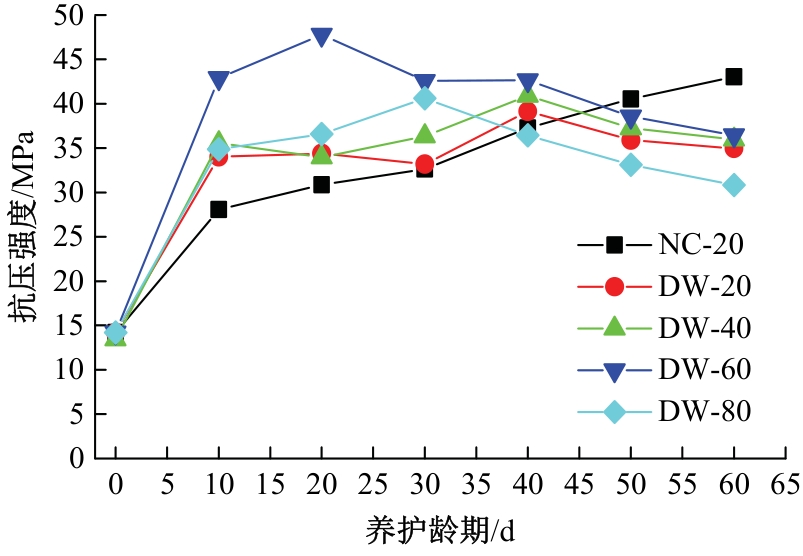
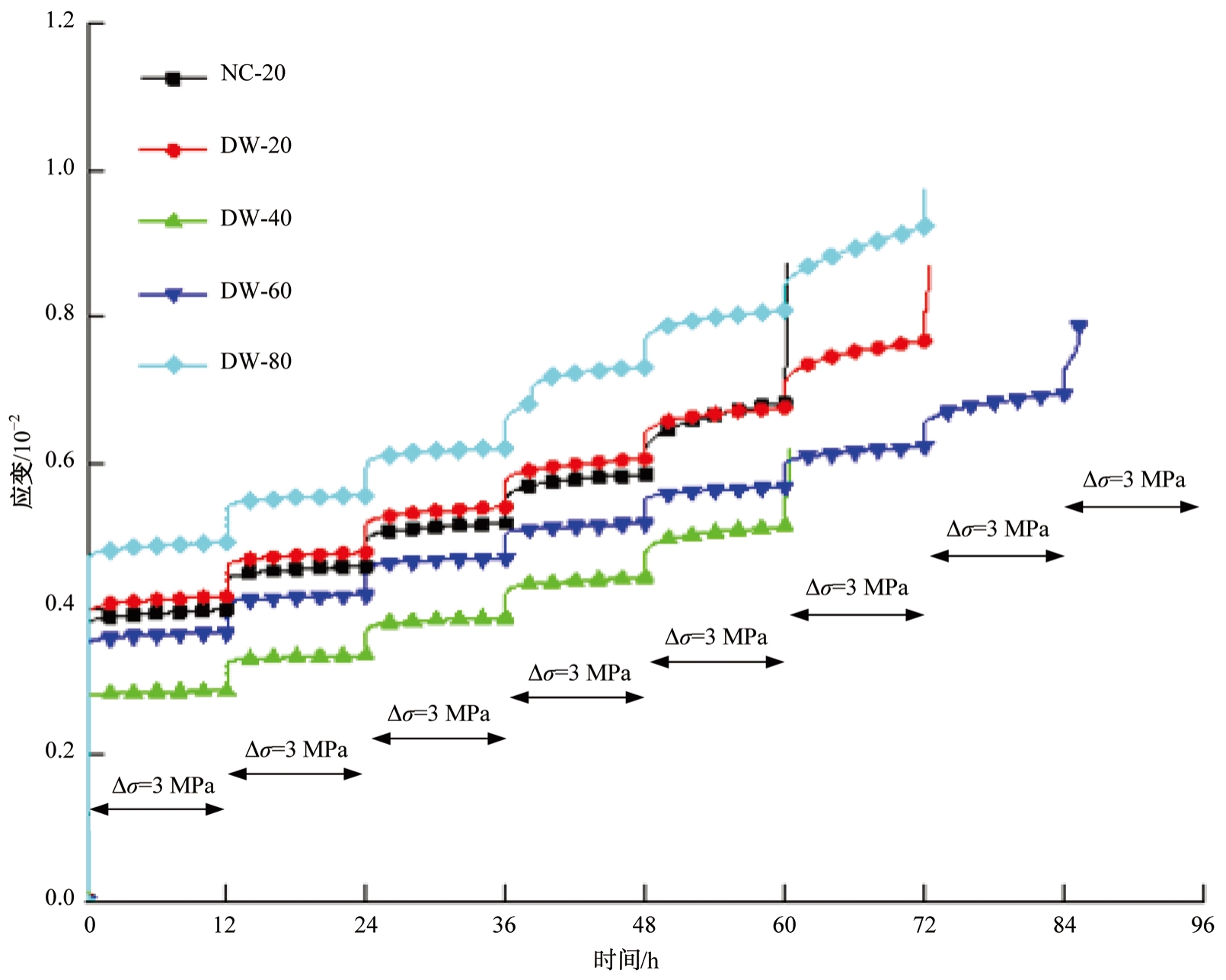
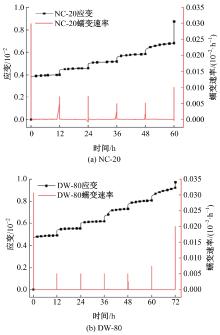
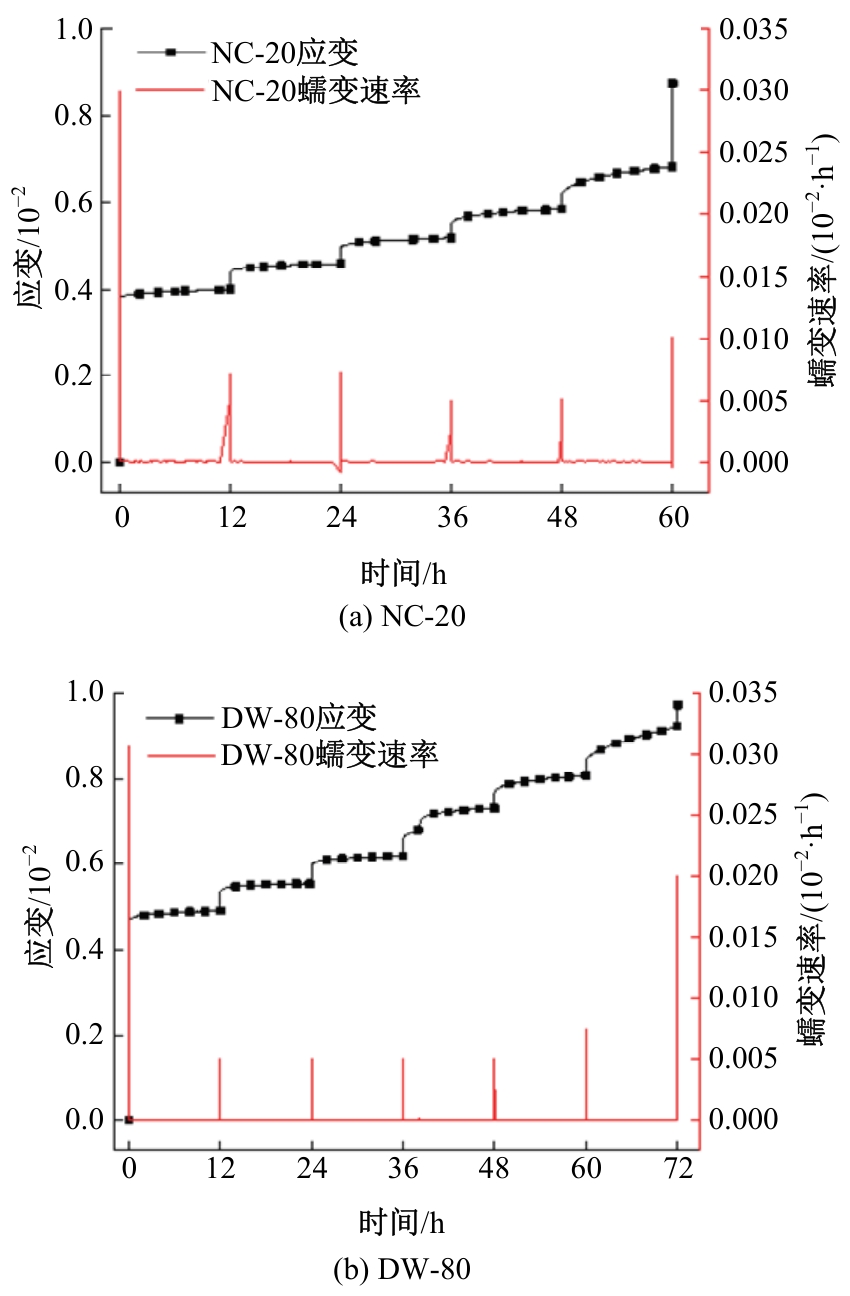
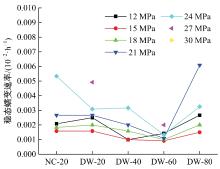
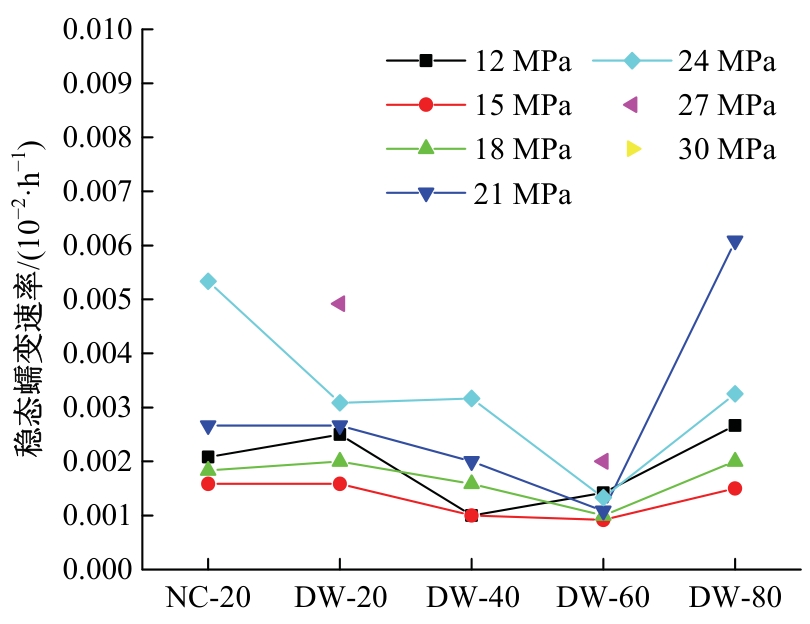
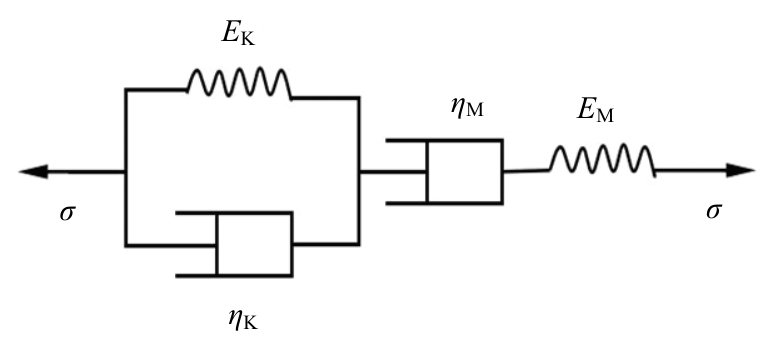
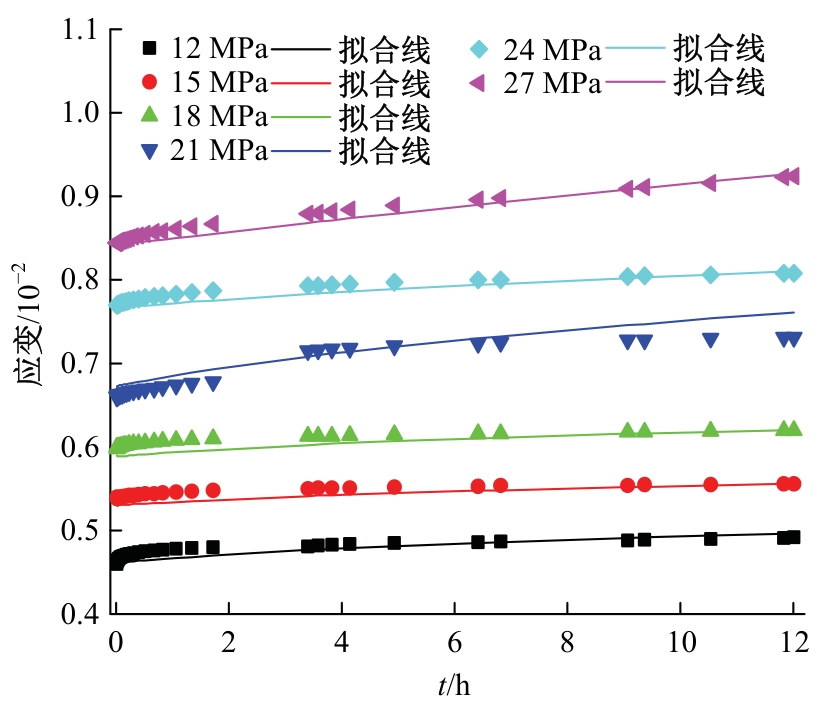
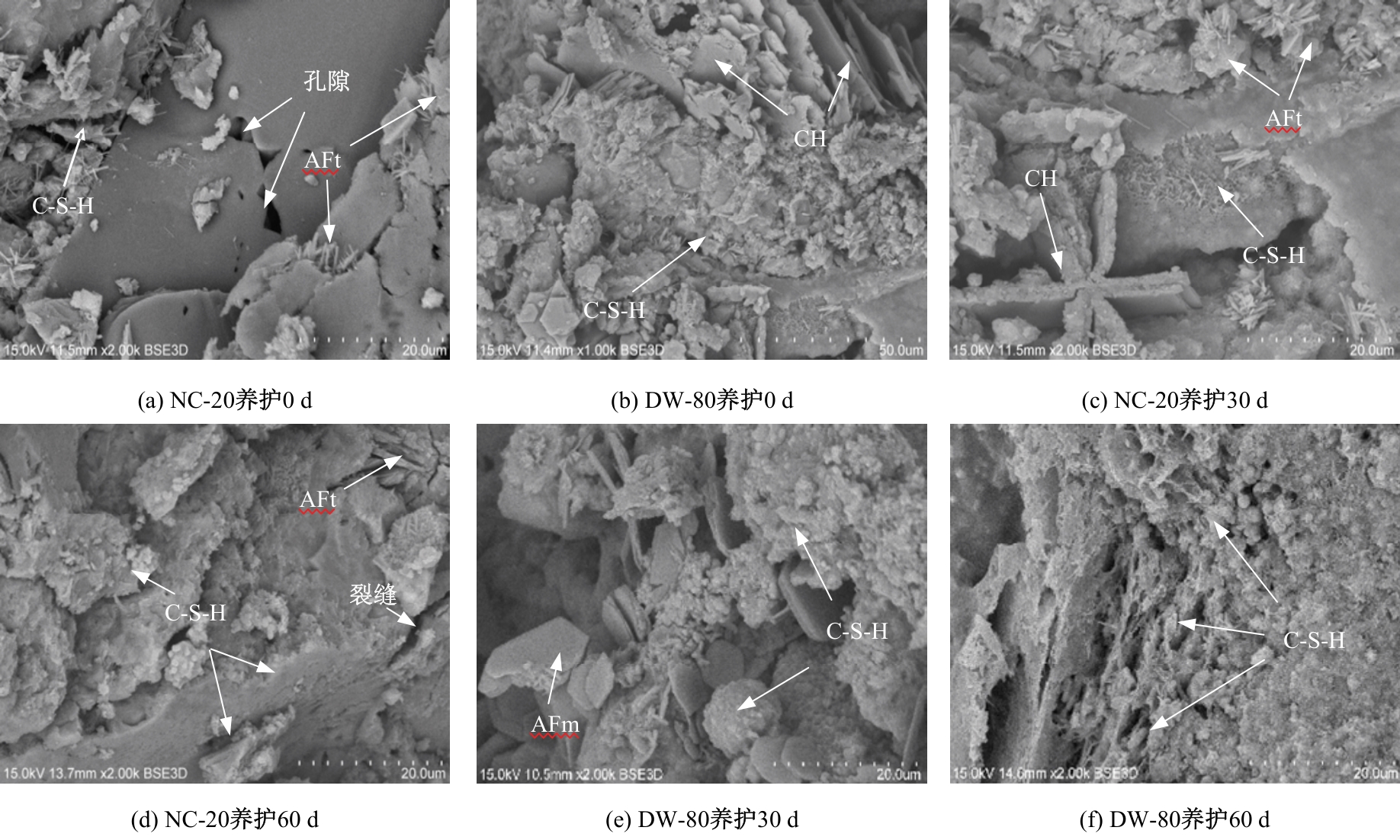
为研究不同温度水热耦合养护对混凝土蠕变特性的影响,进行了20、40、60、80 ℃水热耦合养护60 d单轴压缩试验、分级压缩蠕变试验和SEM扫描电镜试验。结果表明:养护20 d内各温度水热耦合养护混凝土强度明显高于正常养护混凝土,60 ℃水热耦合养护混凝土强度提高率最大达54.8%,之后各温度水热耦合养护混凝土强度降低,至养护60 d时均低于正常养护混凝土。随着水热耦合温度升高,混凝土蠕变性能先提高后降低,经历60 ℃水热耦合养护后显著提高了混凝土蠕变性能,与正常养护相比,蠕变强度提高了22.24%,蠕变时间延长了23.95 h,瞬时应变和蠕变应变分别下降了6.4%和32%;但经历80 ℃水热耦合养护对混凝土蠕变特性产生较大的负面效应。基于试验结果对Burgers蠕变模型参数进行辨识,所得理论曲线与试验数据吻合较好。
中图分类号:
- TU528

| [1] | 陈文化. 高温高湿环境下高铁隧道洞口段热湿病害分析[J].铁道工程学报, 2016, 33(11): 102-105, 119. |
| Chen Wen-hua. Analysis of railway tunnel portal section thermal-humidity failure in high temperature and high humidity[J].Journal of Railway Engineering Society, 2016, 33(11): 102-105, 119. | |
| [2] | 王影冲, 王鼎, 郝圣旺. 混凝土蠕变与应力松弛耦合破坏及临界幂律行为[J].工程力学, 2016, 33(): 49-55. |
| Wang Ying-chong, Wang Ding, Hao Sheng-wang. Creep-stress relaxation coupling failure in concrete and its critical power-law behavior[J].Engineering Mechanics, 2016 33(Sup.1): 49-55. | |
| [3] | Gong J, Cao J, Wang Y F. Effects of sulfate attack and dry-wet circulation on creep of fly-ash slag concrete[J].Construction and Building Materials, 2016, 125: 12-20. |
| [4] | Su L, Wang Y F, Mei S Q, et al. Experimental investigation on the fundamental behavior of concrete creep[J].Construction and Building Materials, 2017, 152: 250-258. |
| [5] | 辛亚军, 安定超, 郝海春. 高应力水平区混凝土试件蠕变特性及失稳机制[J].采矿与安全工程学报, 2018, 35(2): 382-390. |
| Xin Ya-jun, An Ding-chao, Hao Hai-chun. Creep characteristics and instability mechanism of concrete specimen in high-stress area[J].Journal of Mining & Safety Engineering, 2018, 35(2): 382-390. | |
| [6] | Zhao Q X, Liu X C, Jiang J Y. Effect of curing temperature on creep behavior of fly ash concrete[J].Construction and Building Materials, 2015, 96: 326-333. |
| [7] | 李想, 刘传孝, 孟琪, 等. 不同温度下混凝土材料的短时蠕变特性研究[J].矿业研究与开发, 2019, 39(2): 82-86. |
| Li Xiang, Liu Chuan-xiao, Meng Qi, et al. Study on short-term creep characteristics of concrete materials at different temperatures[J].Mining Research and Development, 2019, 39(2): 82-86. | |
| [8] | 刘雨姗, 庞建勇, 姚韦靖. 页岩陶粒轻骨料混凝土高温后蠕变特性[J].建筑材料学报, 2021, 24(5): 1096-1104. |
| Liu Yu-shan, Pang Jian-yong, Yao Wei-jing. Creep behavior of shale ceramsite lightweight aggregate concrete exposed to high temperature[J].Journal of Building Materials, 2021, 24(5): 1096-1104. | |
| [9] | 郭平业, 卜墨华, 张鹏, 等. 高地温隧道灾变机制与灾害防控研究进展[J].岩石力学与工程学报, 2023, 42(7): 1561-1581. |
| Guo Ping-ye, Bu Mo-hua, Zhang Peng, et al. Review on catastrophe mechanism and disaster countermeasure of high geotemperature tunnels[J].Chinese Journal of Rock Mechanics and Engineering, 2023, 42(7): 1561-1581. | |
| [10] | 傅金阳, 徐光阳, 杨曾, 等. 高地温隧道衬砌混凝土早期开裂机理及防控措施[J].铁道学报, 2022, 44(3): 105-114. |
| Fu Jin-yang, Xu Guang-yang, Yang Zeng, et al. Early cracking mechanism and prevention measures for ling concrete in high geotemperature tunnel[J].Journal of the China Railway Society, 2022, 44(3): 105-114. | |
| [11] | .普通混凝土配合比设计规程 [S]. |
| [12] | . 普通混凝土长期性能和耐久性能试验方法标准 [S]. |
| [13] | 邵化建, 李宗利, 肖帅鹏, 等. 干湿循环作用下混凝土力学性能及微观结构研究[J].硅酸盐通报, 2021, 40(9): 2948-2955. |
| Shao Hua-jian, Li Zong-li, Xiao Shuai-peng, et al. Mechanical properties and microstructure of concrete under drying-wetting cycles[J].Bulletin of the Chinese Ceramic Society, 2021, 40(9): 2948-2955. | |
| [14] | 周瑞鹤, 程桦, 蔡海兵, 等. 三轴压缩分级卸荷条件下粉砂岩蠕变特性及蠕变模型[J].岩石力学与工程学报, 2022, 41(6): 1136-1147. |
| Zhou Rui-he, Cheng Hua, Cai Hai-bing, et al. Creep characteristics and creep model of siltstone under triaxial compression and graded unloading[J].Chinese Journal of Rock Mechanics and Engineering, 2022, 41(6): 1136-1147. | |
| [15] | 张俊文, 霍英昊. 深部砂岩分级增量加卸载蠕变特性[J].煤炭学报, 2021, 46(): 661-669. |
| Zhang Jun-wen, Huo Ying-hao. Creep behavior of deep sandstones under stepwise incremental loading and unloading conditions[J].Journal of China Coal Society, 2021, 46(Sup.2): 661-669. | |
| [16] | Vidal T, Sellier A, Ladaoui W, et al. Effect of temperature on the basic creep of high-performance concretes heated between 20 and 80 ℃[J].Journal of Materials in Civil Engineering Archive, 2015, 27(7): No.B4014002. |
| [17] | 马芹永, 郁培阳, 袁璞. 干湿循环对深部粉砂岩蠕变特性影响的试验研究[J].岩石力学与工程学报, 2018, 37(3): 593-600. |
| Ma Qin-yong, Yu Pei-yang, Yuan Pu. Experimental study on creep properties of deep siltstone under cyclic wetting and drying[J].Chinese Journal of Rock Mechanics and Engineering, 2018, 37(3): 593-600. | |
| [18] | 谌文武, 原鹏博, 刘小伟. 分级加载条件下红层软岩蠕变特性试验研究[J].岩石力学与工程学报, 2009, 28(): 3076-3081. |
| Chen Wen-wu, Yuan Peng-bo, Liu Xiao-wei. Study on creep properties of red-bed soft rock under step load[J].Chinese Journal of Rock Mechanics and Engineering, 2009, 28(Sup.1): 3076-3081. | |
| [19] | 于本田, 刘通, 王焕, 等. 花岗斑岩石粉含量对混凝土性能及微观结构的影响[J].吉林大学学报:工学版, 2022, 52(5): 1052-1062. |
| Yu Ben-tian, Liu Tong, Wang Huan, et al. Influence of granite porphyry stone powder content on properties and microstructure of concrete[J].Journal of Jilin University(Engineering and Technology Edition), 2022, 52(5): 1052-1062. | |
| [20] | Xu Y D, He T S, Ma X D, et al. The influence of calcium sulphoaluminate cement on the hydration process of cement paste mixed with alkali free liquid accelerator[J].Materials Today Communications, 2022, 33:No. 104622. |
| [21] | Cui S A, Liu P, Su J, et al. Experimental study on mechanical and microstructural properties of cement-based paste for shotcrete use in high-temperature geothermal environment[J].Construction and Building Materials, 2018, 174: 603-612. |
| [22] | 关博文, 邸文锦, 王发平, 等. 干湿循环与交变荷载作用下混凝土硫酸盐侵蚀损伤[J].吉林大学学报:工学版, 2023, 53(4): 1112-1121. |
| Guan Bo-wen, Di Wen-jin, Wang Fa-ping, et al. Damage of concrete subjected to sulfate corrosion under dry-wet cycles and alternating loads[J].Journal of Jilin University(Engineering and Technology Edition), 2023, 53(4): 1112-1121. | |
| [23] | 钱觉时, 余金城, 孙化强, 等. 钙矾石的形成与作用[J].硅酸盐学报, 2017, 45(11): 1569-1581. |
| Qian Jue-shi, Yu Jin-cheng, Sun Hua-qiang, et al. Formation and function of ettringite in cement hydrates[J].Journal of the Chinese Ceramic Society, 2017, 45(11): 1569-1581. |
| [1] | 冯琼,谢晓扬,王鹏辉,乔宏霞,马云霞. 基于鲸鱼优化算法-反向传播神经网络的钢筋混凝土耐久性预测[J]. 吉林大学学报(工学版), 2025, 55(7): 2276-2285. |
| [2] | 姚康,董侨,陈雪琴,史斌,颜世傲,王翔. 基于相场正则化黏聚区模型的混凝土混合型细观断裂行为[J]. 吉林大学学报(工学版), 2025, 55(7): 2286-2297. |
| [3] | 徐文远,李微,王大洋,纪泳丞. 碱冻耦合作用FRP加固混凝土性能损伤机理[J]. 吉林大学学报(工学版), 2025, 55(6): 2050-2062. |
| [4] | 樊学平,杨渡,李九谕,赵启凡,刘月飞. 温度和车辆荷载耦合产生的桥梁极值应力预测[J]. 吉林大学学报(工学版), 2025, 55(5): 1588-1594. |
| [5] | 梅生启,刘晓东,王兴举,李旭峰,武腾,程相旭. 基于参数相关性分析和机器学习算法的高强混凝土徐变预测[J]. 吉林大学学报(工学版), 2025, 55(5): 1595-1603. |
| [6] | 王协群,于祥伟,邹维列,韩仲. 干湿和冻融循环作用下固化淤泥的动力特性及微观结构演化[J]. 吉林大学学报(工学版), 2025, 55(5): 1617-1628. |
| [7] | 何子明,申爱琴,王路生,郭寅川,何江飞. 再生骨料强化技术及对再生混凝土性能影响研究综述[J]. 吉林大学学报(工学版), 2025, 55(3): 790-810. |
| [8] | 张亮亮,程桦,王晓健. 常规三轴压缩下高强混凝土能量演化和破坏准则[J]. 吉林大学学报(工学版), 2025, 55(3): 974-985. |
| [9] | 袁杰,王军博,陈歆,黄馨,张傲翔,崔安琪. 人工智能在超高性能混凝土中的应用研究进展[J]. 吉林大学学报(工学版), 2025, 55(3): 771-789. |
| [10] | 周宇,李萌,狄生奎,石贤增,陈东. 变截面两铰拱推力影响线解析解及损伤识别应用[J]. 吉林大学学报(工学版), 2025, 55(2): 664-672. |
| [11] | 王羽岱,王斌,苗福生,马楠. 水热耦合变化下衬砌渠道冻胀响应[J]. 吉林大学学报(工学版), 2025, 55(1): 256-268. |
| [12] | 姜浩,赵正文. 玄武岩纤维网格水泥基复合材料加固RC梁抗剪性能试验[J]. 吉林大学学报(工学版), 2025, 55(1): 211-220. |
| [13] | 曲广雷,闫宗伟,郑木莲,刘红,袁月明. 基于神经网络与回归分析的多孔混凝土性能预测[J]. 吉林大学学报(工学版), 2025, 55(1): 269-282. |
| [14] | 韦芳芳,李丽萍,徐庆鹏,赵有正,杨晶晶. 受火双钢板-混凝土组合剪力墙加固后抗震性能试验[J]. 吉林大学学报(工学版), 2025, 55(1): 230-244. |
| [15] | 杨维国,苏英楠,邹剑强,马若辰,张庆亮. 预制钢管混凝土芯柱新型法兰连接试验与有限元分析[J]. 吉林大学学报(工学版), 2025, 55(1): 283-296. |
|
||