Journal of Jilin University(Medicine Edition) ›› 2026, Vol. 52 ›› Issue (3): 791-805.doi: 10.13481/j.1671-587X.20260321
• Research in clinical medicine • Previous Articles
Bioinformatics analysis and experimental validation based on screening and identification of diagnostic candidate genes of bone marrow mononuclear cells of acute myeloid leukemia patients and their impact on prognosis
Zhipeng PAN( ),Le WANG,Weiwen HUANG,Zhen YI,Yuxuan GAO
- Department of Medical Laboratory Science,School of Medical Technology and Engineering,Fujian Medical University,Fuzhou 350122,China
-
Received:2025-08-01Accepted:2025-09-30Online:2026-05-28Published:2026-06-08 -
Contact:Zhipeng PAN E-mail:panzp0109@163.com

CLC Number:
- R733.71
Cite this article
Zhipeng PAN,Le WANG,Weiwen HUANG,Zhen YI,Yuxuan GAO. Bioinformatics analysis and experimental validation based on screening and identification of diagnostic candidate genes of bone marrow mononuclear cells of acute myeloid leukemia patients and their impact on prognosis[J].Journal of Jilin University(Medicine Edition), 2026, 52(3): 791-805.
share this article
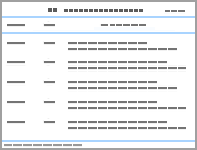
Tab.1
Clinical characteristics of AML patients and healthy donors"
| Number | Gender | Age | WBC(109 L-1) | FAB | Gene mutation |
|---|---|---|---|---|---|
| AML-1 | Female | 44 | 108.50 | M5 | - |
| AML-2 | Male | 24 | 6.27 | M5 | NRAS mutation; WT1 over-expression |
| AML-3 | Female | 24 | 58.04 | M5b | - |
| AML-4 | Male | 48 | 20.74 | M5 | IDH1, PTPN11 mutation, TPM4, P2PY8, LATS2 positive for fusion gene |
| AML-5 | Male | 40 | 221.28 | M5b | DNMT3A, NPM1, FLT3 mutation |
| AML-6 | Male | 36 | 114.66 | M5 | KIT, SRP72, PMS2, USB1 mutation, CEFB-MYH11, TPM4-KLF3, P2RY8-CD99 positive for fusion gene |
| AML-7 | Female | 28 | 1.93 | M5b | RUNX1/TPM4 positive for fusion gene, KRAS/WT1 mutation |
| AML-8 | Female | 40 | 188.27 | M2 | DEK/CAN positive for fusion gene, FLT3-ITD mutation |
| AML-9 | Male | 48 | 1.89 | M2a | DNMT3A, IDH2 mutation |
| AML-10 | Female | 35 | 3.35 | M5b | HOX11 positive for gene; With IDH2, NPM1, ETV6 mutation |
| AML-11 | Male | 29 | 81.00 | M1 | CEBPA, NRAS, IDH1 mutation |
| AML-12 | Male | 35 | 6.05 | M5b | CEBPA, NF1 mutation |
| AML-13 | Male | 51 | 21.44 | M5 | DNMT3A, CEBPA, NRAS, NPM1 mutation |
| AML-14 | Male | 39 | 2.80 | M5 | PTPN11 mutation |
| AML-15 | Male | 34 | 79.50 | M1 | FLT3, IDH1 mutation |
| AML-16 | Female | 50 | 2.82 | M5 | PTPN11, KMT2A-MLLT10 mutation |
| AML-17 | Female | 44 | 2.93 | M0 | WT1, PTPN11, RUNX1, SF3B1 mutation |
| AML-18 | Female | 47 | 6.59 | M5b | CEBPA mutation |
| AML-19 | Female | 34 | 79.50 | M1 | FLT3/IDH1 mutation |
| AML-20 | Female | 39 | 4.39 | M5 | CEBPA/SRSF2 mutation |
| AML-21 | Female | 39 | 4.39 | M5 | CEBPA, SRSF2 mutation |
| HD-1 | Male | 50 | - | HD | - |
| HD-2 | Female | 37 | - | HD | - |
| HD-3 | Female | 21 | - | HD | - |
| HD-4 | Male | 33 | - | HD | - |
| HD-5 | Female | 26 | - | HD | - |
| HD-6 | Male | 40 | - | HD | - |
| HD-7 | Male | 30 | - | HD | - |
| HD-8 | Male | 23 | - | HD | - |
| HD-9 | Male | 33 | - | HD | - |
| HD-10 | Male | 30 | - | HD | - |
| HD-11 | Female | 31 | - | HD | - |
| HD-12 | Female | 29 | - | HD | - |
| HD-13 | Male | 33 | - | HD | - |
Tab.2
Primer sequences of PCR"
| Primer | Sequence(5'-3') |
|---|---|
| PPBP-F | GAGACCACTTCATGCCTTGC |
| PPBP-R | ATGCAGCGGAGTTCAGCAT |
| PF4-F | CCTGTGTGTGAAGACCACCT |
| PF4-R | TCTTCAGCGTGGCTATCAGT |
| APP-F | CCTGCTGCTGCTGCTGCTGCT |
| APP-R | GCAGCAGCAGCAGCAGCAGCA |
| CD36-F | GTGCTGCTGCTGCTGCTGCT |
| CD36-R | CAGCAGCAGCAGCAGCAGCA |
| RUNX1-F | ACCTC GAAACACAAGGCAGA |
| RUNX1-R | GCACTTGAGAGTCGACTGGA |
| FYN-F | CTGCTGCTGCTGCTGCTGCT |
| FYN-R | CAGCAGCAGCAGCAGCAGCA |
| CCNB1-F | GACCTGTGTCA GGCTTTCTCTG |
| CCNB1-R | GGTATTTTGG TCTGACTGCTTGC |
| CD3D-F | GTCATTGCCACTCTGCTCCTTG |
| CD3D-R | CCTGGTCATTCCTCAACAGAGC |
| CDK1-F | GATGTGCTTATGCAGGATTTC |
| CDK1-R | ATGTACTGACCAGGAGGGATA |
| VEGFA-F | CTGCTGCTGCTGCTGCTGCT |
| VEGFA-R | CAGCAGCAGCAGCAGCAGCA |
| BAX-F | TCGCCCTTTTCTACTTTGCCA |
| BAX-R | CGGAGGAAGTCCAATGTCCAG |
| Bcl-2-F | GACTTCGCCGAGATGTCCAG |
| Bcl-2-R | GAACTCAAAGAAGGCCACAATC |
| β-actin-F | CATCCGCAAAGACCTGTACGC |
| β-actin-R | AGTACTTGCGCTCAGGAGGAG |
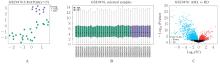
Fig.1
Situation of DEGs"
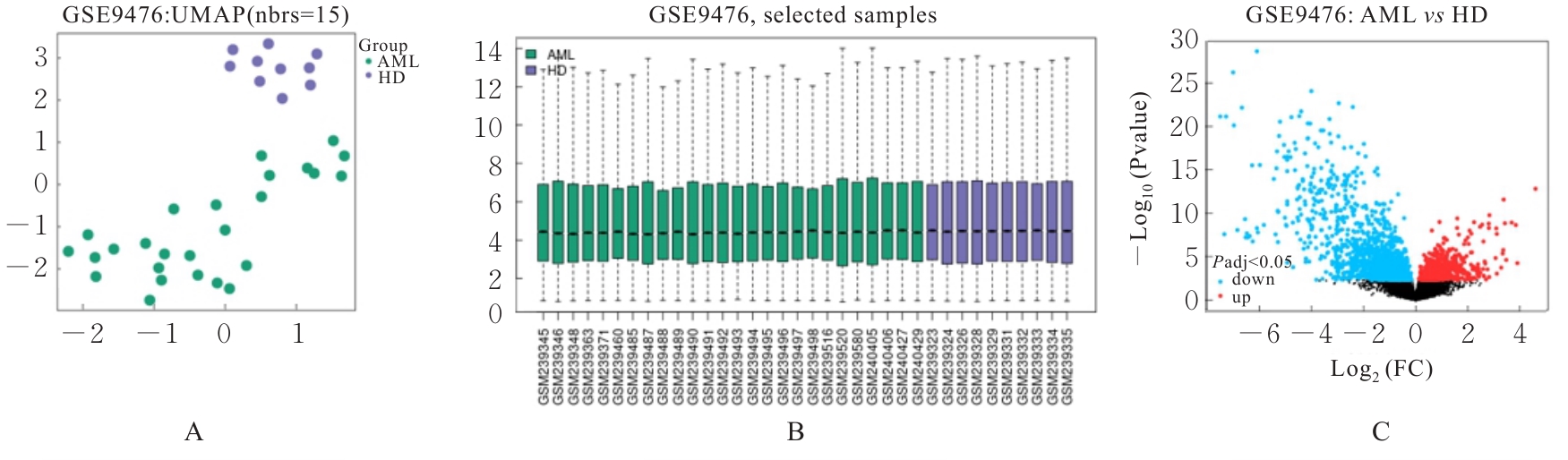
Tab.3
Top 10 up-regulated and down-regulated differentially expressed genes"
| Gene | Log2 (FC) | P value |
|---|---|---|
| HIST2H2BE | 4.599 806 6 | 1.54×10⁻¹³ |
| MIR196B | 3.903 822 0 | 5.69×10⁻⁵ |
| HIST2H2AA4 | 3.846 160 7 | 2.28×10⁻⁹ |
| RUNX1 | 3.683 064 5 | 1.19×10⁻⁹ |
| HOXA9 | 3.477 107 3 | 2.39×10⁻⁵ |
| HIST2H2AA4 | 3.425 436 6 | 1.43×10⁻⁹ |
| FLT3 | 3.377 645 2 | 2.65×10⁻¹² |
| HIST1H2BC | 3.360 457 5 | 1.72×10⁻⁶ |
| HOXA10 | 3.341 138 3 | 4.37×10⁻⁶ |
| HOXA5 | 3.284 080 3 | 1.85×10⁻⁴ |
| AHSP | -7.507 207 2 | 7.25×10⁻²² |
| HBA2 | -7.350 381 2 | 2.61×10⁻⁸ |
| GYPA | -7.283 757 0 | 7.30×10⁻²² |
| CA1 | -6.982 895 9 | 7.64×10⁻²¹ |
| ALAS2 | -6.676 403 7 | 7.04×10⁻²³ |
| HBD | -6.556 821 0 | 4.78×10⁻¹⁰ |
| HBB | -6.485 769 5 | 2.08×10⁻⁸ |
| IL7R | -6.282 300 3 | 3.07×10⁻¹⁶ |
| EPB42 | -6.099 078 9 | 2.25×10⁻²⁹ |
| IGHA2 | -6.098 573 1 | 5.20×10⁻⁹ |
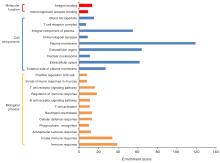
Fig. 2
GO functional enrichment analysis on DEGs"
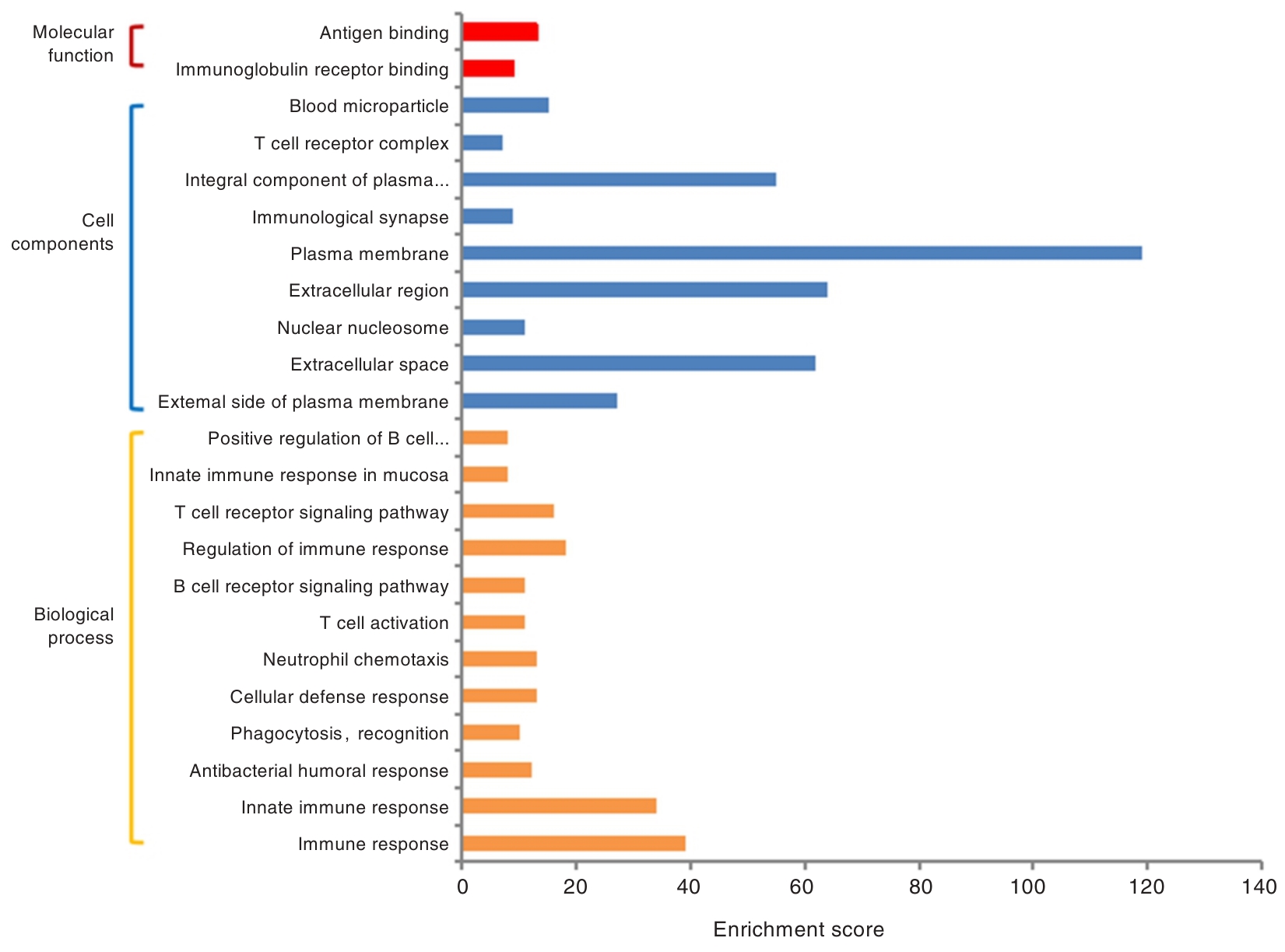
Fig. 3
KEGG signaling pathway enrichment analysis on DEGs"
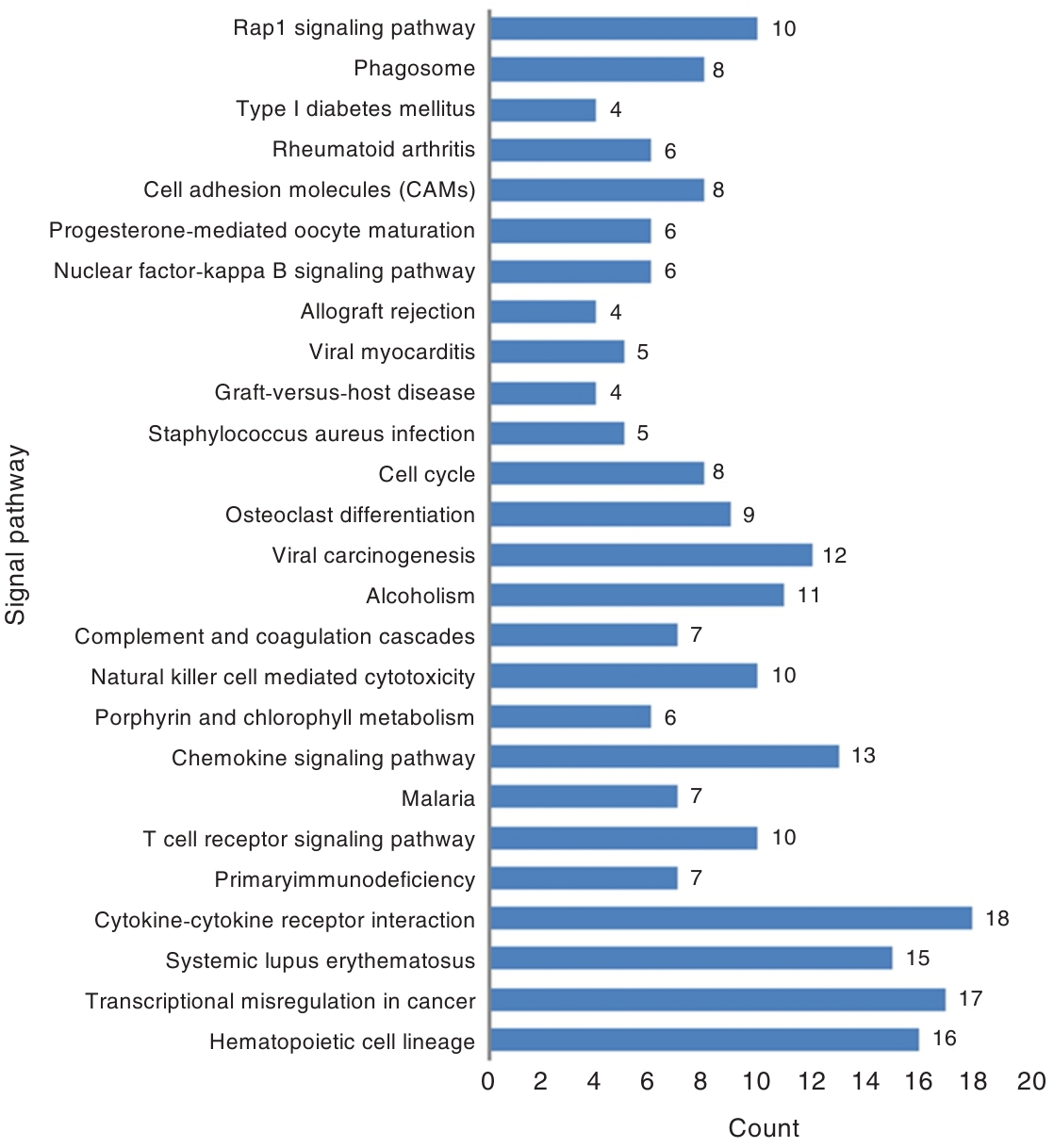
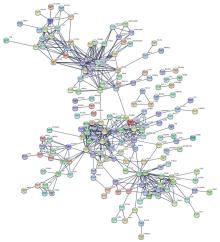
Fig. 4
PPI network of DEGs"
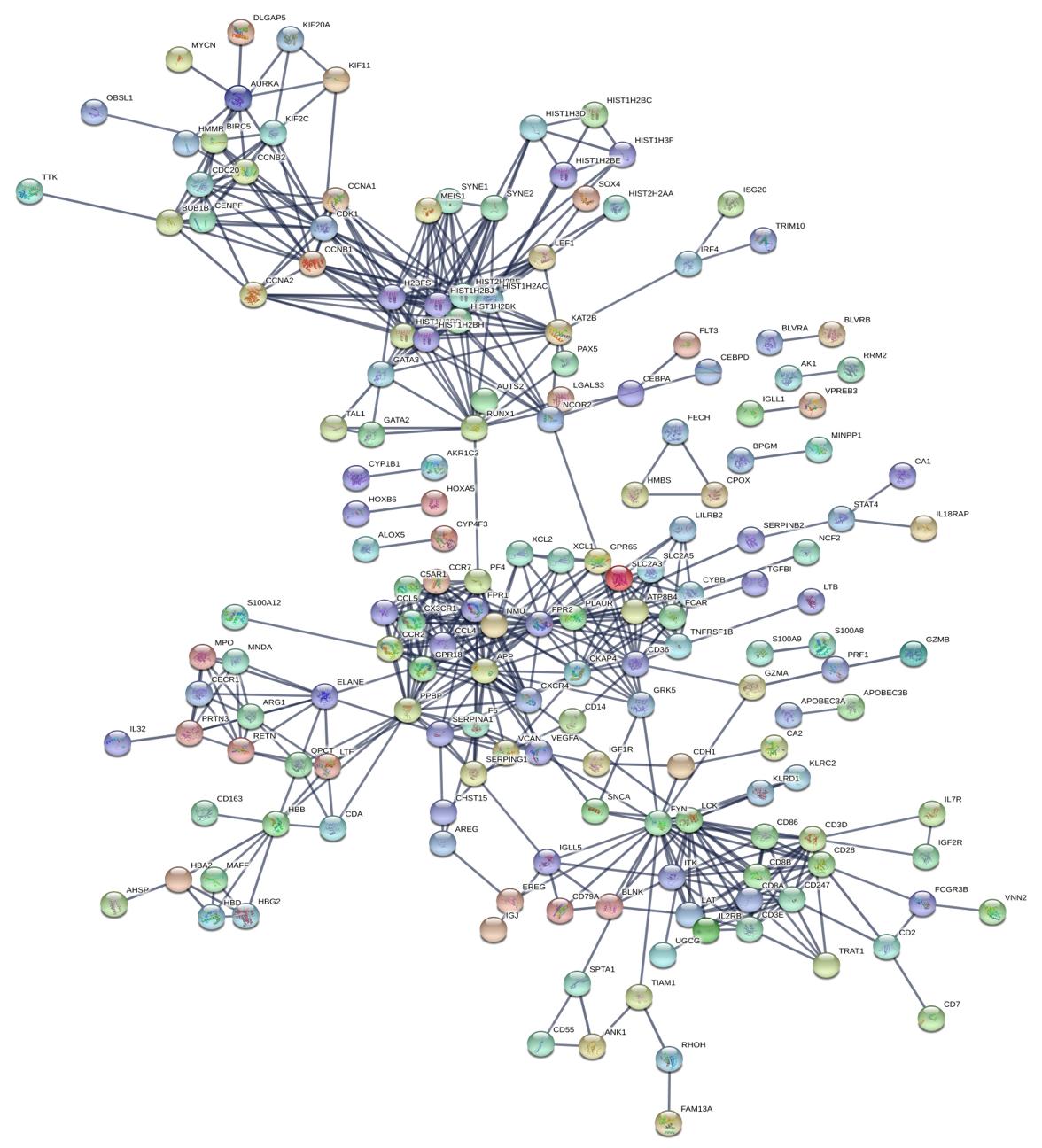
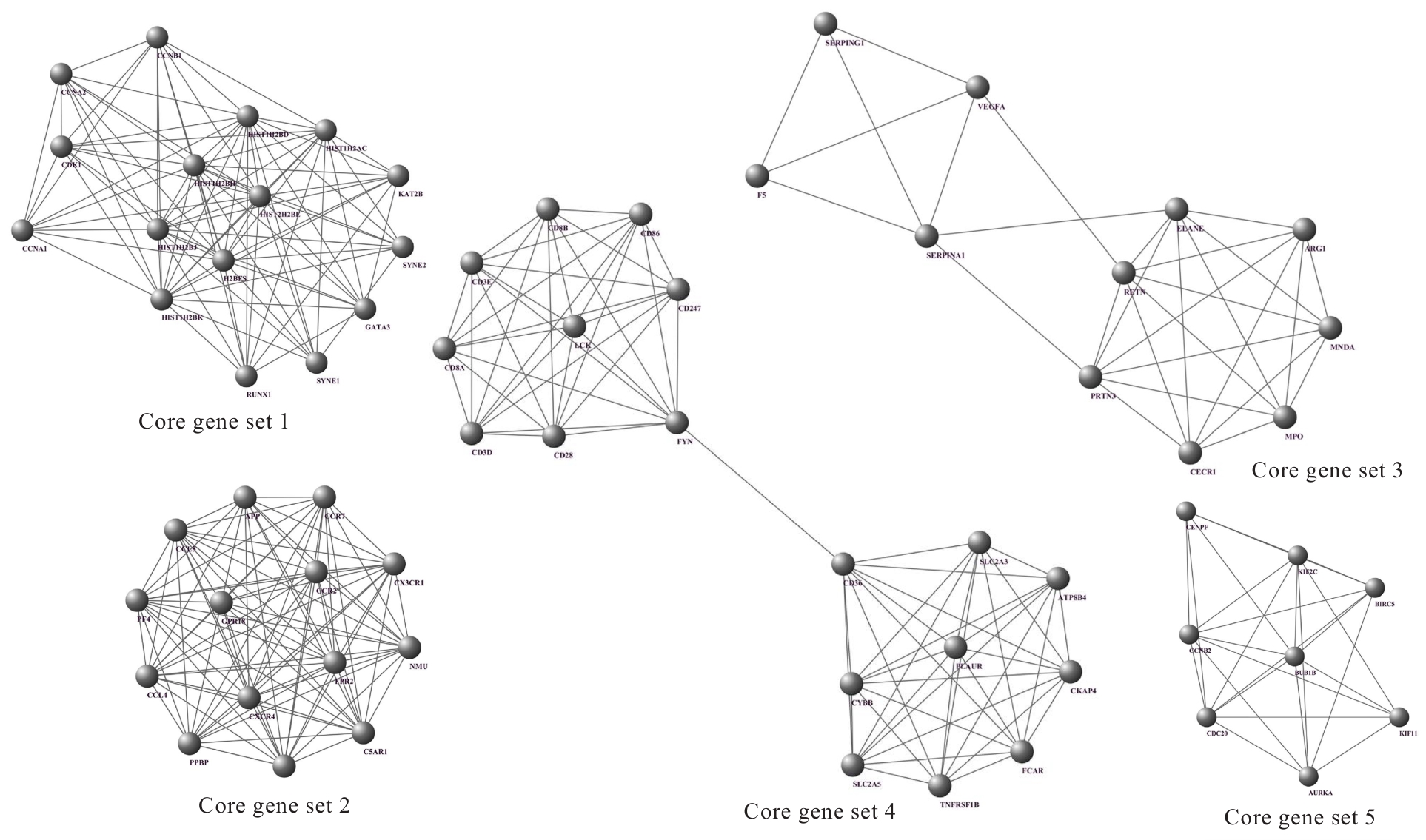
Fig. 5
Core gene interaction network"
Tab.4
Results of screening of diagnostic candidate genes"
| Genotype category | Gene symbol |
|---|---|
Core gene | APP,CCR7,CCL5,PF4,GPR18,CCR2,CX3CR1,CCL4,CXCR4,FPR2,NMU,PPBP,FPR1,C5AR1, CCNB1,CCNA2,CDK1,CCNA1,HIST1H2BK,HIST1H2BJ,HIST1H2BH,HIST1H2BD,HIST1H2AC, HIST2H2BE,H2BFS,RUNX1,SYNE1,GATA3,SYNE2,KAT2B,CD3E,CD8B,CD86,LCK,CD247, CD8A,CD3D,CD28,FYN,CD36,SLC2A3,ATP8B4,BLAUR,CYBB,SLC2A5,TNFRSF1B,FCAR, CKAP4,ENPF,KIF2C,BIRC5,BUB1B,KIF11,AURKA,CDC20,CCNB2,SERPING1,F5,VEGFA, SERPINA1,PRTN3,RETN,ELANE,ARG1,MNDA,MPO,CECR1 |
Hub gene | APP,FPR2,FYN,CDK1,HIST2H2BE,CCNB1,PPBP,HIST1H2BJ,HIST1H2BK,HIST1H2AC,LCK, H2BFS,VEGFA,CCR7,PF4,CXCR4,HIST1H2BD,HIST1H2BH,RUNX1,NMU,CD28,CCR2,CD3D, FPR1,CX3CR1,GATA3,PLAUR,CD247,CKAP4,CCL5,CD36,CDC20,GPR18,C5AR1,CCL4 |
| Bottleneck gene | FYN,RUNX1,CDH1,CCNB1,VEGFA,PF4,CD36,PPBP,CD3D,APP,NCOR2,MPO,HMBS,CDK1, PAX5,CD34,HBB,CEBPA |
| Diagnostic candidate gene | CDK1,CD36,RUNX1,CD3D,VEGFA,CCNB1,APP,FYN,PPBP,PF4 |
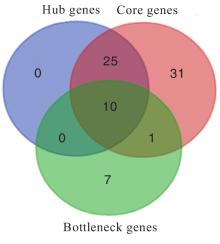
Fig. 6
Venn diagram of core genes, hub genes and bottleneck genes"
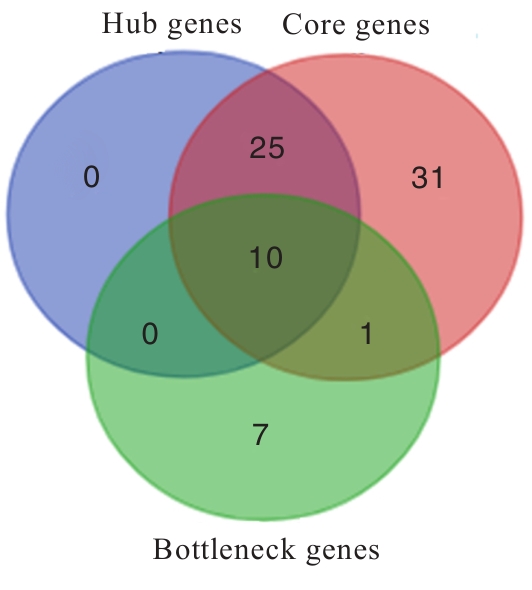
Fig. 7
Differential expressions of diagnostic candidate genes in AML dataset"
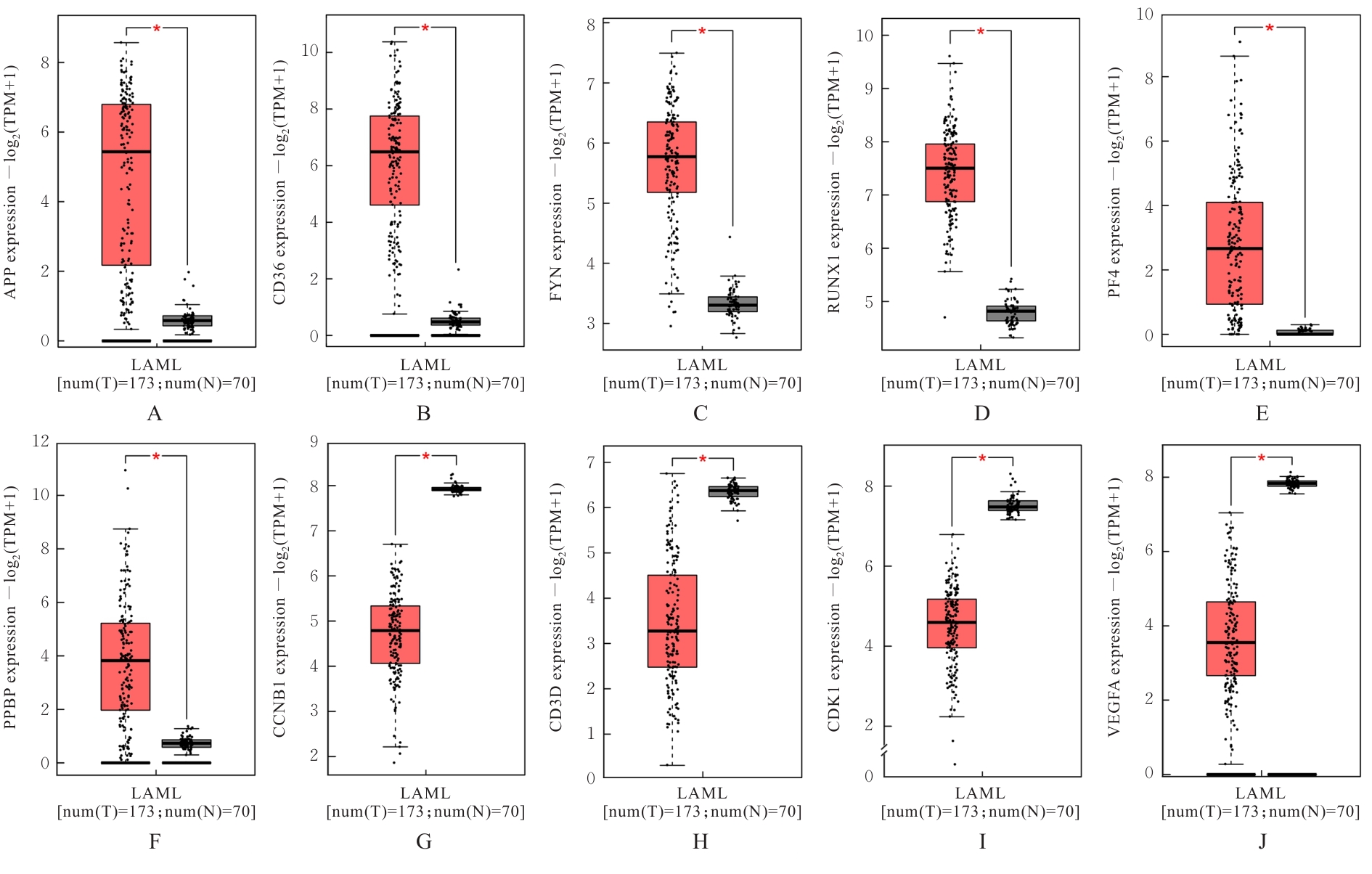
Fig. 8
Survival analysis results of diagnostic candidate genes"
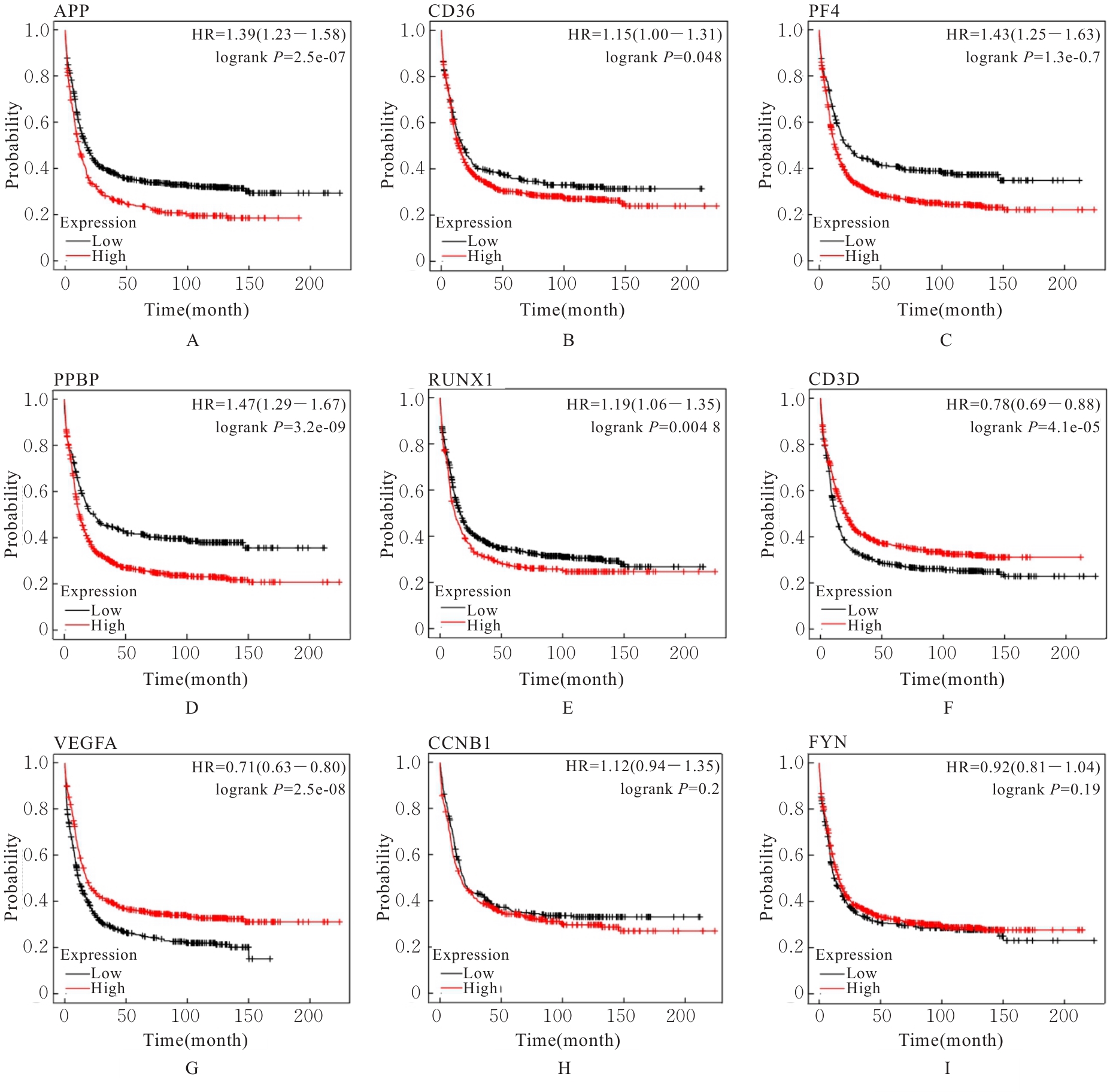
Fig. 9
Expression levels of diagnostic candidate gene mRNA in pucture specimens of subjects in two groups"
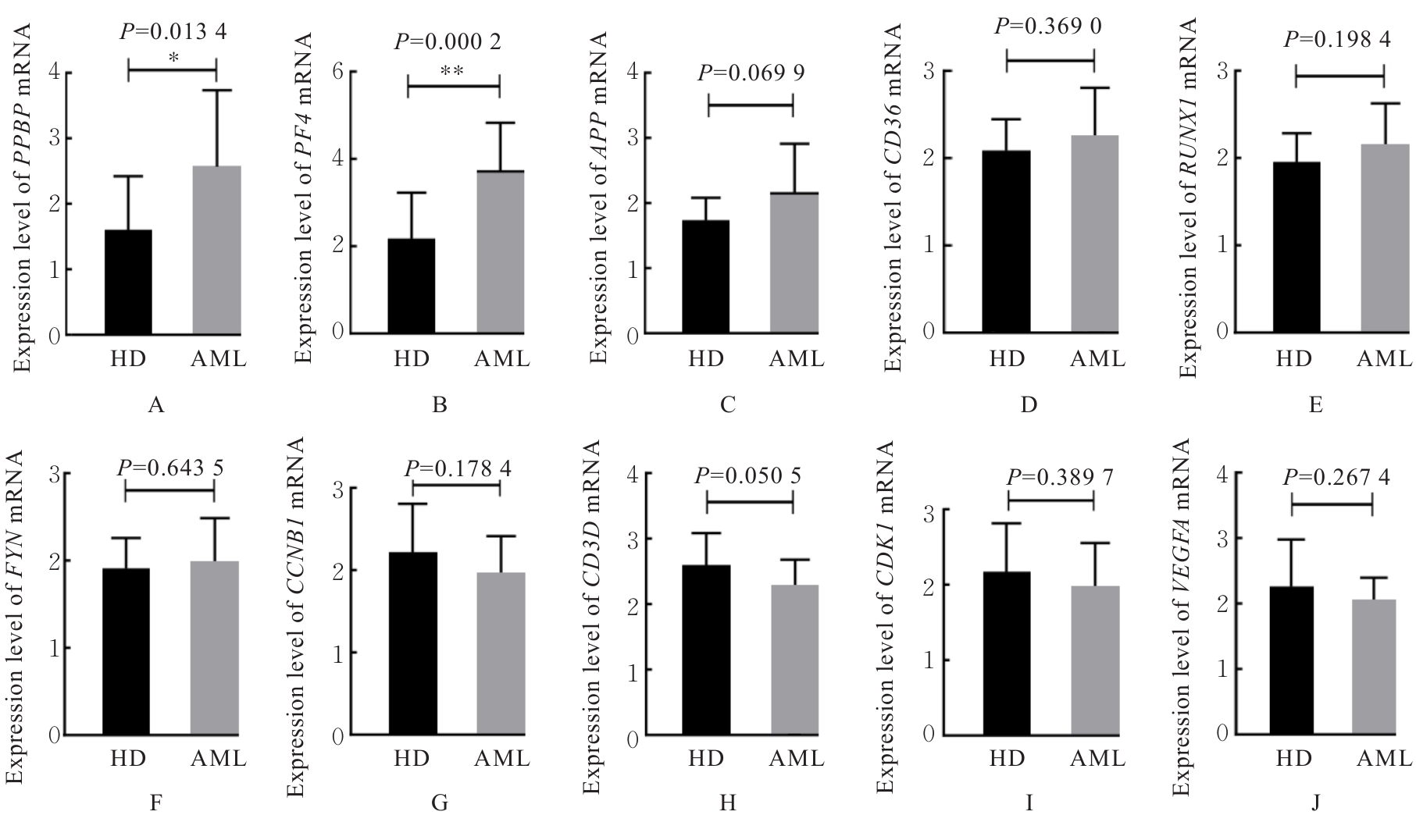
Fig. 10
Expression of GFP protein in cells after transfected with PPBP and PF4"
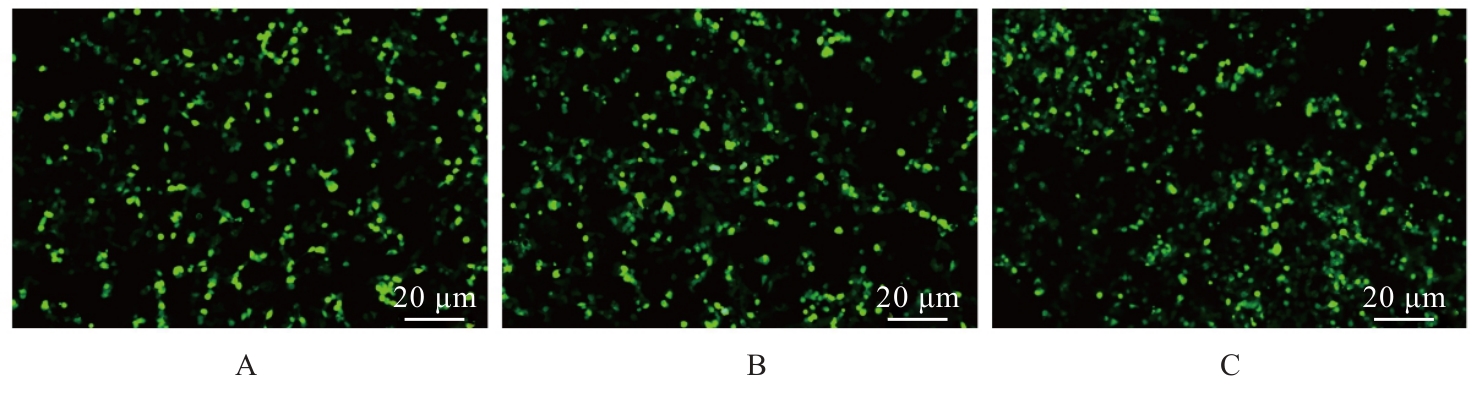
Fig. 11
Proliferation activities of cells after PPBP and PF4 overexpression at different time points"
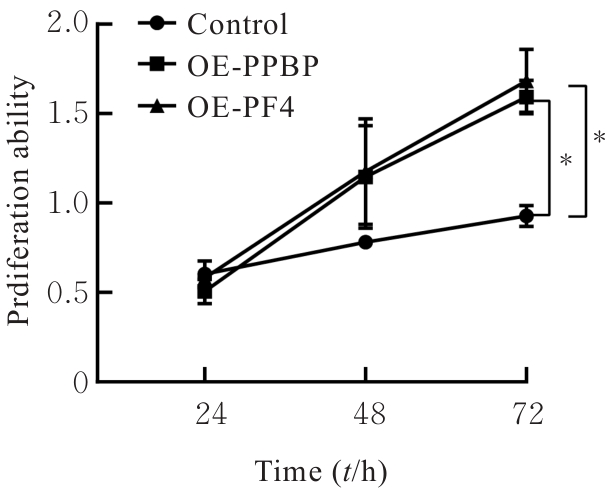
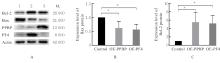
Fig. 12
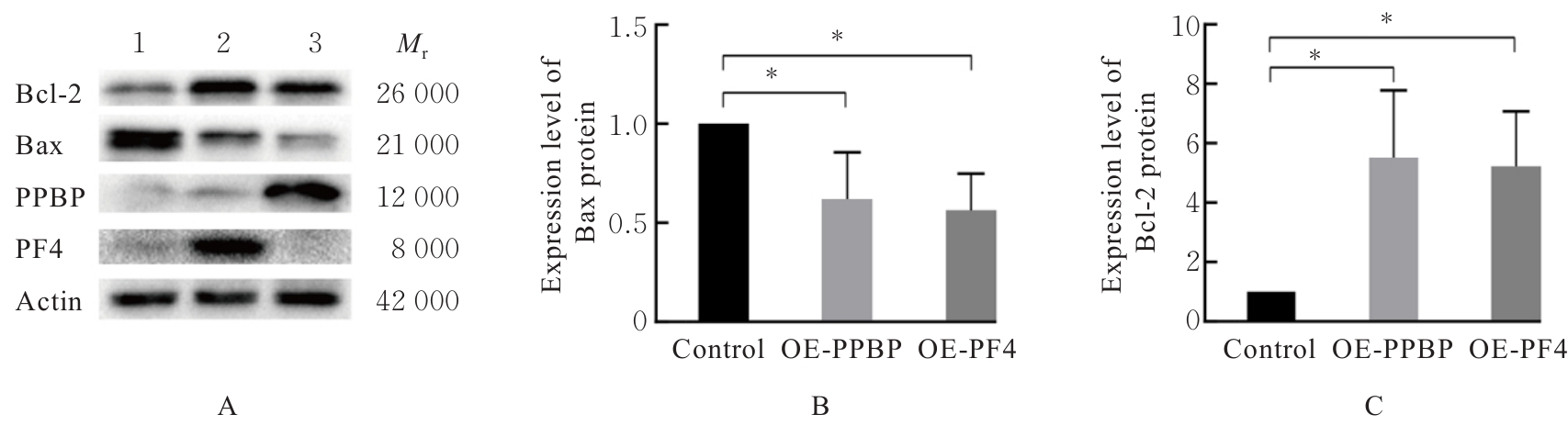
Eletrophoregram(A) and histograms(B,C) of expressions of BAX and Bcl-2 proteins after overexpressions of PF4 and PPBP in cells in various groups"
| [1] | MERCHER T, ARCANGELI M L. GATA 2 much: stemness and resistance in AML chemotherapy[J]. Blood, 2025, 145(19): 2110-2112. |
| [2] | KÜHN M W M, PEMMARAJU N, HEIDEL F H. The evolving landscape of epigenetic target molecules and therapies in myeloid cancers: focus on acute myeloid leukemia and myeloproliferative neoplasms[J]. Leukemia, 2025, 39(8): 1824-1837. |
| [3] | WANG Q, CAI W Z, WANG Q R, et al. Integrative genomic and transcriptomic profiling reveals distinct molecular subsets in adult mixed phenotype acute leukemia[J]. Am J Hematol, 2023, 98(1): 66-78. |
| [4] | HU X Q, CAO D Y, ZHOU Z R, et al. Single-cell transcriptomic profiling reveals immune cell heterogeneity in acute myeloid leukaemia peripheral blood mononuclear cells after chemotherapy[J]. Cell Oncol (Dordr), 2024, 47(1): 97-112. |
| [5] | WANG Y, LI X, LIU Z, et al. Advancements in Therapy for Acute Myeloid Leukemia: A Comprehensive Overview [J]. Cancer Treatment Reviews, 2023, 118:102499. |
| [6] | CLOUGH E, BARRETT T. The gene expression omnibus database[J]. Methods Mol Biol, 2016, 1418: 93-110. |
| [7] | BARRETT T, WILHITE S E, LEDOUX P, et al. NCBI GEO: archive for functional genomics data sets: update[J]. Nucleic Acids Res, 2013, 41(Database issue): D991-D995. |
| [8] | STIREWALT D L, MESHINCHI S, KOPECKY K J, et al. Identification of genes with abnormal expression changes in acute myeloid leukemia[J]. Genes Chromosomes Cancer, 2008, 47(1): 8-20. |
| [9] | SZKLARCZYK D, MORRIS J H, COOK H, et al. The STRING database in 2017: quality-controlled protein-protein association networks, made broadly accessible[J]. Nucleic Acids Res, 2017, 45(D1): D362-D368. |
| [10] | HUANG D W, SHERMAN B T, LEMPICKI R A. Bioinformatics enrichment tools: paths toward the comprehensive functional analysis of large gene lists[J]. Nucleic Acids Res, 2009, 37(1): 1-13. |
| [11] | TANG Z F, KANG B X, LI C W, et al. GEPIA2: an enhanced web server for large-scale expression profiling and interactive analysis[J]. Nucleic Acids Res, 2019, 47(W1): W556-W560. |
| [12] | HOU G X, LIU P P, YANG J, et al. Mining expression and prognosis of topoisomerase isoforms in non-small-cell lung cancer by using Oncomine and Kaplan-Meier plotter[J]. PLoS One, 2017, 12(3): e0174515. |
| [13] | SOOD R, KAMIKUBO Y, LIU P. Role of RUNX1 in hematological malignancies[J]. Blood, 2017, 129(15): 2070-2082. |
| [14] | XIE B W, WANG S Y, JIANG N, et al. Cyclin B1/CDK1-regulated mitochondrial bioenergetics in cell cycle progression and tumor resistance[J]. Cancer Lett, 2019, 443: 56-66. |
| [15] | MCAULEY G E, YIU G, CHANG P C, et al. Human T cell generation is restored in CD3δ severe combined immunodeficiency through adenine base editing[J]. Cell, 2023, 186(7): 1398-1416. |
| [16] | SAITO T, MATSUBA Y, MIHIRA N, et al. Single App knock-in mouse models of Alzheimer’s disease[J]. Nat Neurosci, 2014, 17(5): 661-663. |
| [17] | BRAITSCH K, LORENZINI T, HEFTER M, et al. CXCR4-directed endoradiotherapy with [177Lu] Pentixather added to total body irradiation for myeloablative conditioning in patients with relapsed/refractory acute myeloid leukemia[J]. Theranostics, 2025, 15(1): 19-29. |
| [18] | KUMAR B, GARCIA M, WENG L, et al. Acute myeloid leukemia transforms the bone marrow niche into a leukemia-permissive microenvironment through exosome secretion[J]. Leukemia, 2018, 32(3): 575-587. |
| [19] | MONABBATI S, CORREDOR G, PATHAK T, et al. Pathogenomic fingerprinting to identify associations between tumor morphology and epigenetic states [J]. Eur J Cancer, 2025, 221: 115429. |
| [1] | Xiaohui LIANG,Wenna LIU,Jianbo ZHAO. Bioinformatic analysis on PAQR3 expression in hepatocellular carcinoma and its correlations with T lymphocyte infiltration, immune checkpoint genes, and patient survival [J]. Journal of Jilin University(Medicine Edition), 2026, 52(3): 781-790. |
| [2] | Yang LI,Shiyang LI,Hongmei ZHANG,Qianqian LIU,Yubing CHEN. Effect of NGFR gene expression differences on promotion of apoptosis of squamous cell carcinoma and adenocarcinoma cells by PD-1 inhibitor-activated T lymphocytes [J]. Journal of Jilin University(Medicine Edition), 2026, 52(3): 680-693. |
| [3] | Ruihan GE,Chen LI,Shengpeng WANG,Yang LU,Caixia TAN,Haotian CUI,Xinmin WANG,Le ZHANG. Bioinformatic analysis on regulatory mechanism of MAPK-Mcl-1 signaling pathway and macrophage polarization during Bacillus Calmette-Guérin infection and its experimental validation [J]. Journal of Jilin University(Medicine Edition), 2026, 52(2): 440-450. |
| [4] | Xiao LIN,Meng ZHOU,Fan LIN,Xiujuan YAO. Bioinformatics analysis and experimental validation of fatty acid metabolism-related genes in idiopathic pulmonary fibrosis tissue [J]. Journal of Jilin University(Medicine Edition), 2026, 52(1): 93-104. |
| [5] | Jiaxin WANG,Junwen MAO,Xuan ZHANG. Expression of natural autoantibodies against apoptosis inhibitory genes in plasma of patients with hepatocellular carcinoma and its clinical significance [J]. Journal of Jilin University(Medicine Edition), 2026, 52(1): 228-235. |
| [6] | Yu LIANG,Jinyu YU,Zhonggao XU,Wanning WANG. Expression characteristics of FOSB in kidney tissue from IgA nephropathy and other common kidney diseases [J]. Journal of Jilin University(Medicine Edition), 2025, 51(5): 1281-1292. |
| [7] | Weigao SHEN,Yuqi LIU,Jun ZHANG,Jiayu LIN,Hang CUI,Yanbo LIU. Bioinformatics analysis on effect of interleukin-33 on occurrence and development of malignant brain glioma and its experimental validation [J]. Journal of Jilin University(Medicine Edition), 2025, 51(5): 1318-1332. |
| [8] | Xianwei JIANG,Minghang WANG,Huiru LI,Xiaosheng DONG,Yuanyuan LIU. Mendelian randomization and GEO database identification analysis based on potential therapeutic targets for chronic obstructive pulmonary disease [J]. Journal of Jilin University(Medicine Edition), 2025, 51(4): 1072-1083. |
| [9] | Linrui XU,Yiyu ZHANG,Jiaqi CUI,Xianzhu CONG,Shuang LI,Jiayu GE,Yujia KONG,Suzhen WANG,Fuyan SHI,Jinrong WANG. Construction of diagnostic model for Alzheimer’s disease and immune analysis based on bioinformatics and machine learning [J]. Journal of Jilin University(Medicine Edition), 2025, 51(4): 1039-1051. |
| [10] | Changyu SHI,Yong LI,Jing DENG,Chunmei PIAO,Ming JIN. Bioinformatics analysis on adjustment effect of colorectal liver metastases model in mice based on complement alternative pathway and its experimental verification [J]. Journal of Jilin University(Medicine Edition), 2025, 51(3): 703-715. |
| [11] | Wenchang CAI,Yuqi LIU,Han WANG,Helin WANG,Zhenjiang WANG,Zishen XIAO,Shiyuan MA,Liping AN,Yanbo LIU. Expression of protein kinase D2 in bladder cancer tissue and its effect on tumor immune microenvironment [J]. Journal of Jilin University(Medicine Edition), 2025, 51(2): 378-391. |
| [12] | Bo LIU,Chao SUN,Xu WANG,Kewei MA. Bioinformatics analysis on differentially expressed genes in multiple primary lung cancers based on GEO database [J]. Journal of Jilin University(Medicine Edition), 2025, 51(2): 437-446. |
| [13] | Xiaoyan WANG,Xuelian LI,Bin LIANG,Wenfei TIAN,Hailin MA,Zhijing MO. Analysis on relationship between CALU and prognosis of hepatocellular carcinoma patients and its mechanism based on transcriptome and single cell sequencing data [J]. Journal of Jilin University(Medicine Edition), 2025, 51(2): 447-459. |
| [14] | Pengli WU,Fengyu LI,Bo LIU,Yang LYU. Effect of silencing DDX39A gene on proliferation, migration and invasion of esophageal cancer TE-1 cells and its mechanism [J]. Journal of Jilin University(Medicine Edition), 2025, 51(1): 115-123. |
| [15] | Lyuyin SUN,Zhuping MA,Runlin LI,Yonggang LI,Xiaoli TAO. Screening of host proteins interacting with Nelson Bay orthoreovirus σNS based on yeast two-hybrid technology [J]. Journal of Jilin University(Medicine Edition), 2024, 50(5): 1313-1321. |
|
||