Journal of Jilin University(Medicine Edition) ›› 2025, Vol. 51 ›› Issue (4): 1072-1083.doi: 10.13481/j.1671-587X.20250423
• Research in clinical medicine • Previous Articles
Mendelian randomization and GEO database identification analysis based on potential therapeutic targets for chronic obstructive pulmonary disease
Xianwei JIANG1,2,Minghang WANG1,2,3( ),Huiru LI1,2,Xiaosheng DONG1,2,Yuanyuan LIU1,2
- 1.First Affiliated Hospital,Henan University of Traditional Chinese Medicine,National Regional Chinese Medicine (Lung Disease) Diagnostic and Treatment Center,Zhengzhou 450000,China
2.Henan University of Traditional Chinese Medicine,First School of Clinical Medicine,Zhengzhou 450046,China
3.Department of Respiratory Medicine,First Affiliated Hospital,Henan University of Traditional Chinese Medicine,Zhengzhou 450000,China
-
Received:2024-08-19Accepted:2024-10-04Online:2025-07-28Published:2025-08-25 -
Contact:Minghang WANG E-mail:wmh107hn@163.com

CLC Number:
- R563.9
Cite this article
Xianwei JIANG,Minghang WANG,Huiru LI,Xiaosheng DONG,Yuanyuan LIU. Mendelian randomization and GEO database identification analysis based on potential therapeutic targets for chronic obstructive pulmonary disease[J].Journal of Jilin University(Medicine Edition), 2025, 51(4): 1072-1083.
share this article
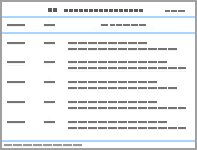
Tab.1
Specific informations of GEO datasets"
| GEO(ID) | n | Tissue (Homo sapiens) | Platform | Last updated | Attribute |
|---|---|---|---|---|---|
| GSE130928 | 88 | Human Alveolar Macrophages | GPL570 | April 17, 2020 | Training |
| GSE11906 | 223 | Human Airway Epithelium | GPL570 | March 25, 2019 | Training |
| GSE13896 | 70 | Human Alveolar Macrophages | GPL570 | March 25, 2019 | Training |
| GSE64614 | 221 | Human Airway Epithelium | GPL570 | July 08, 2019 | Training |
| GSE212331 | 87 | Induced Sputum | GPL10558 | December 14, 2023 | Validation |
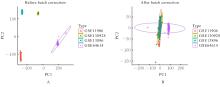
Fig. 1
PCA analysis diagram"
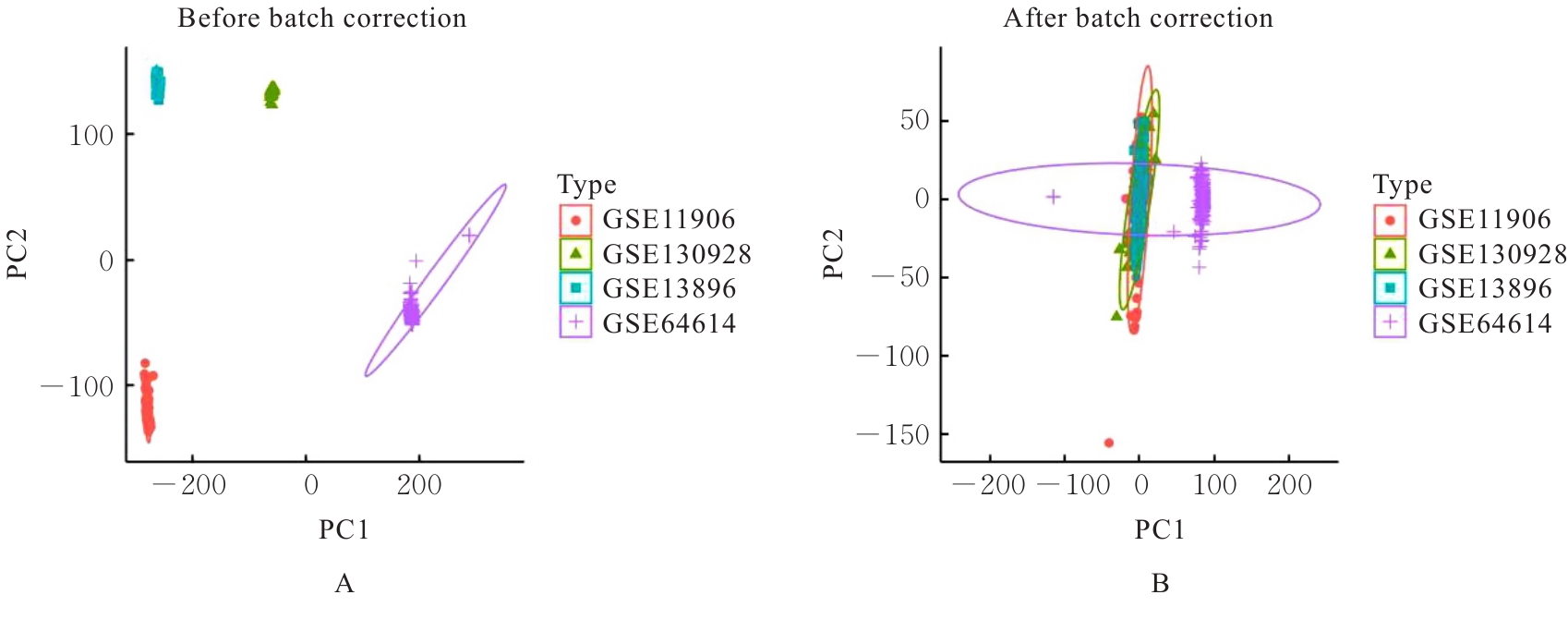
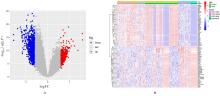
Fig. 2
DEGs screening diagram"
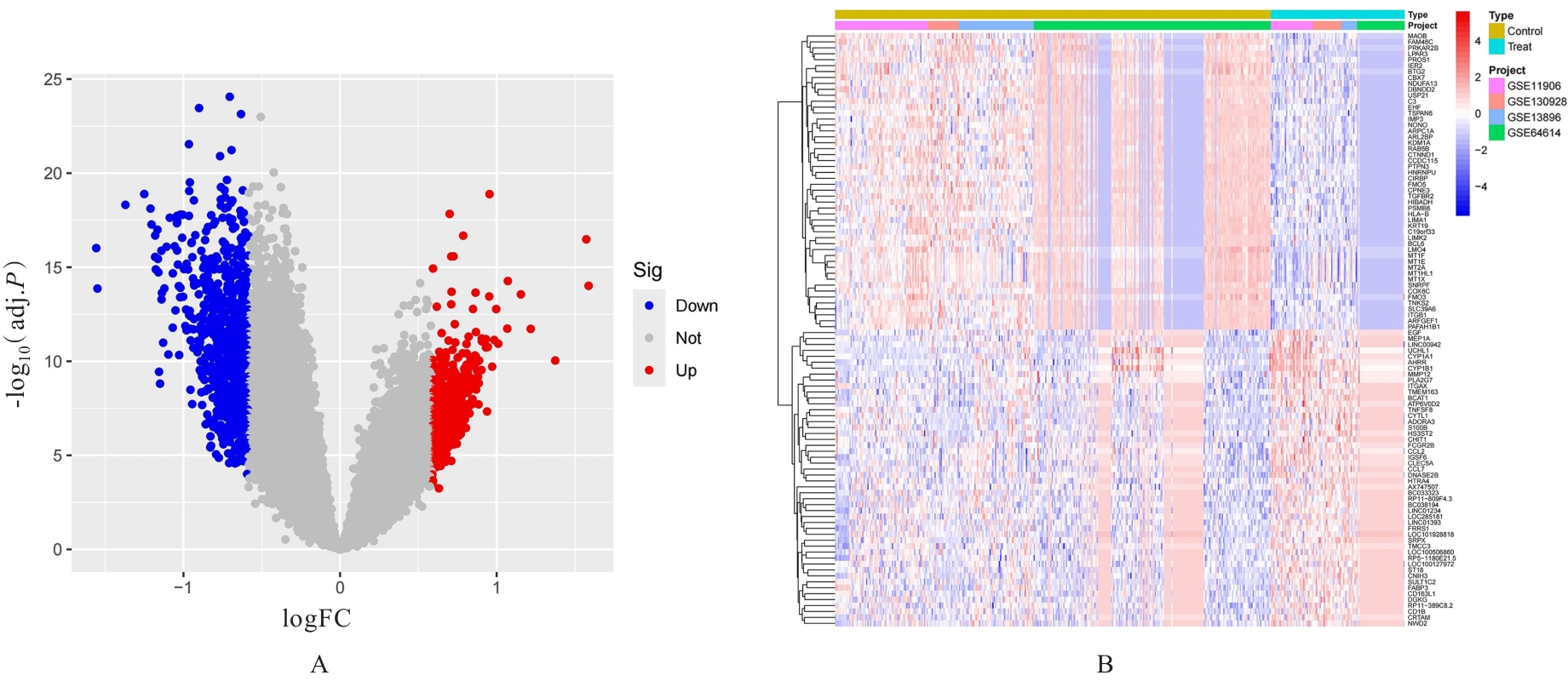
Fig. 3
Intersecting gene maps"
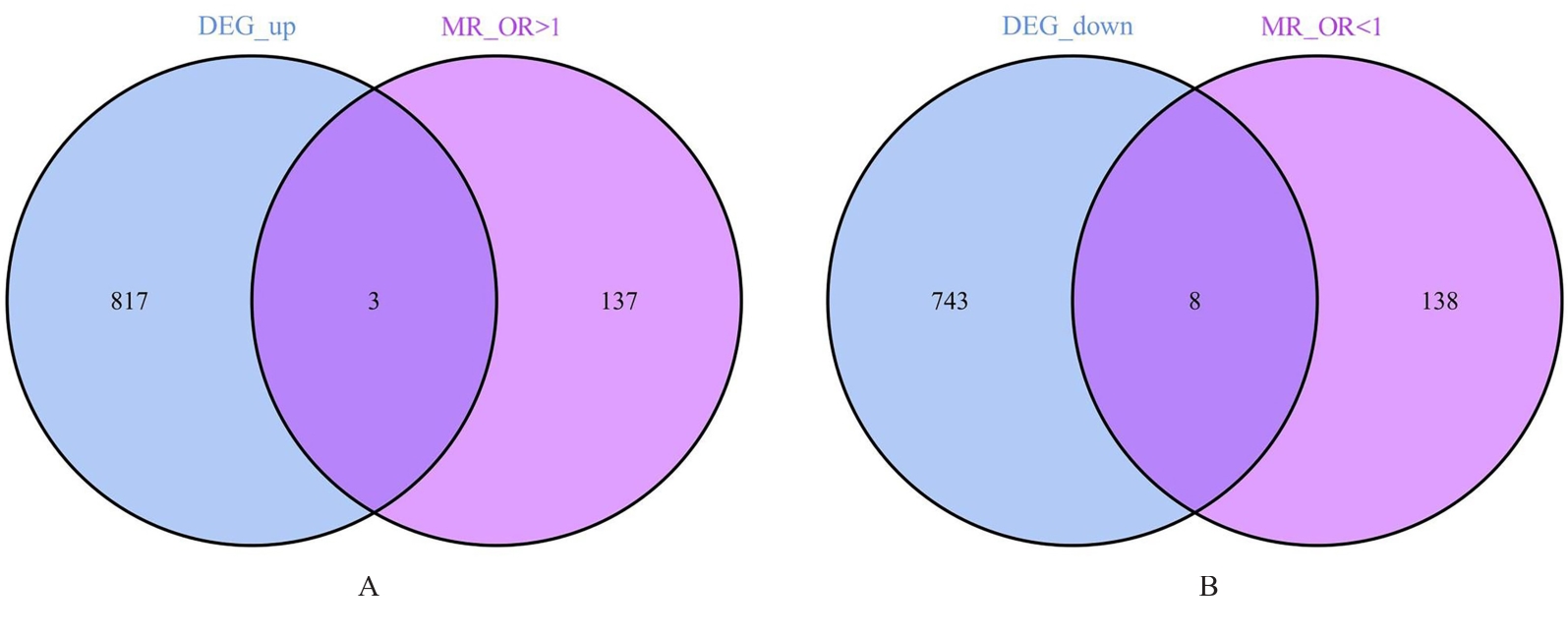
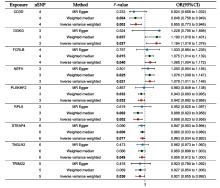
Fig. 4
Forest plot of intersecting genes by MR analysis"
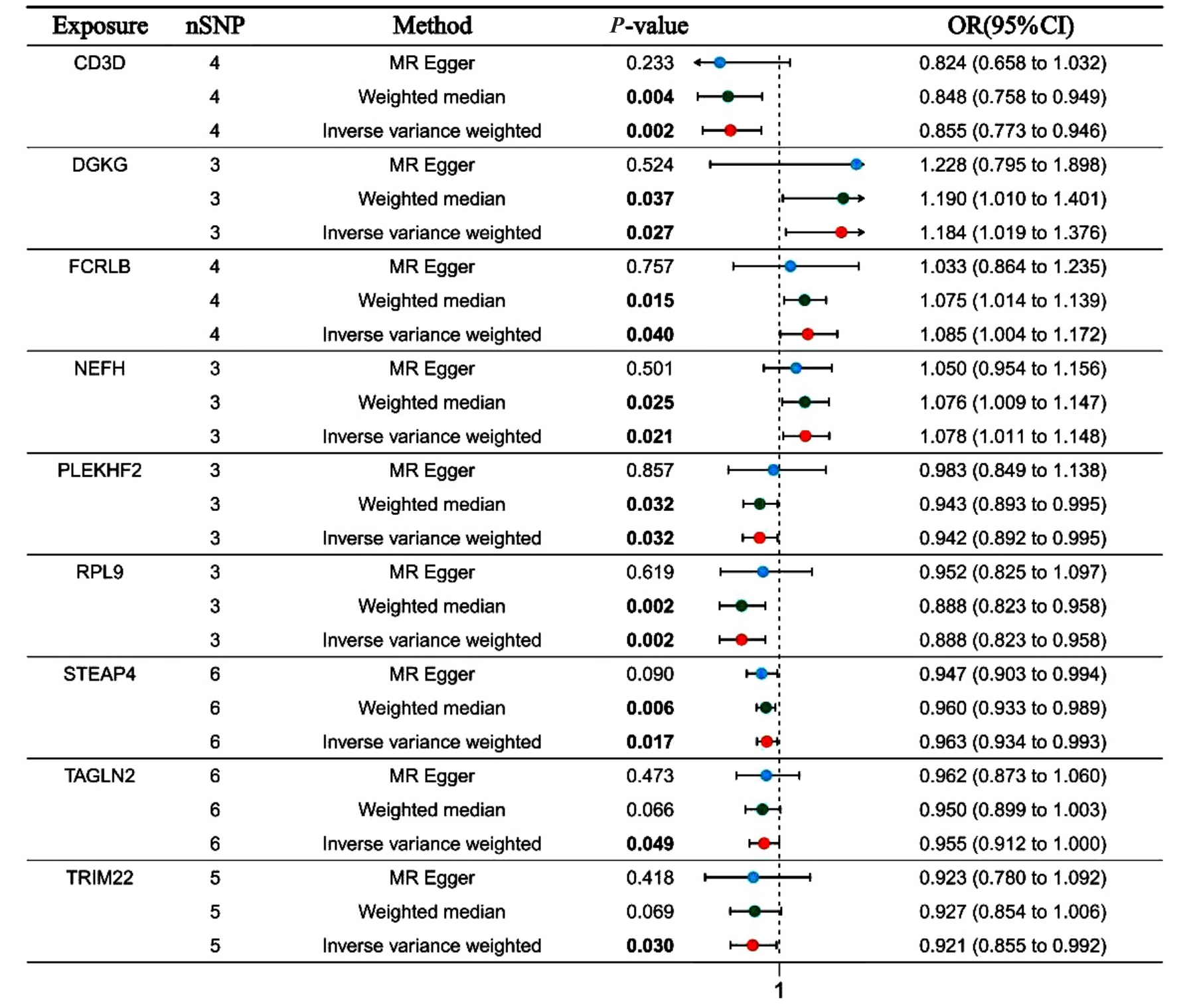
Fig. 5
Chromosome location map of intersecting genes"
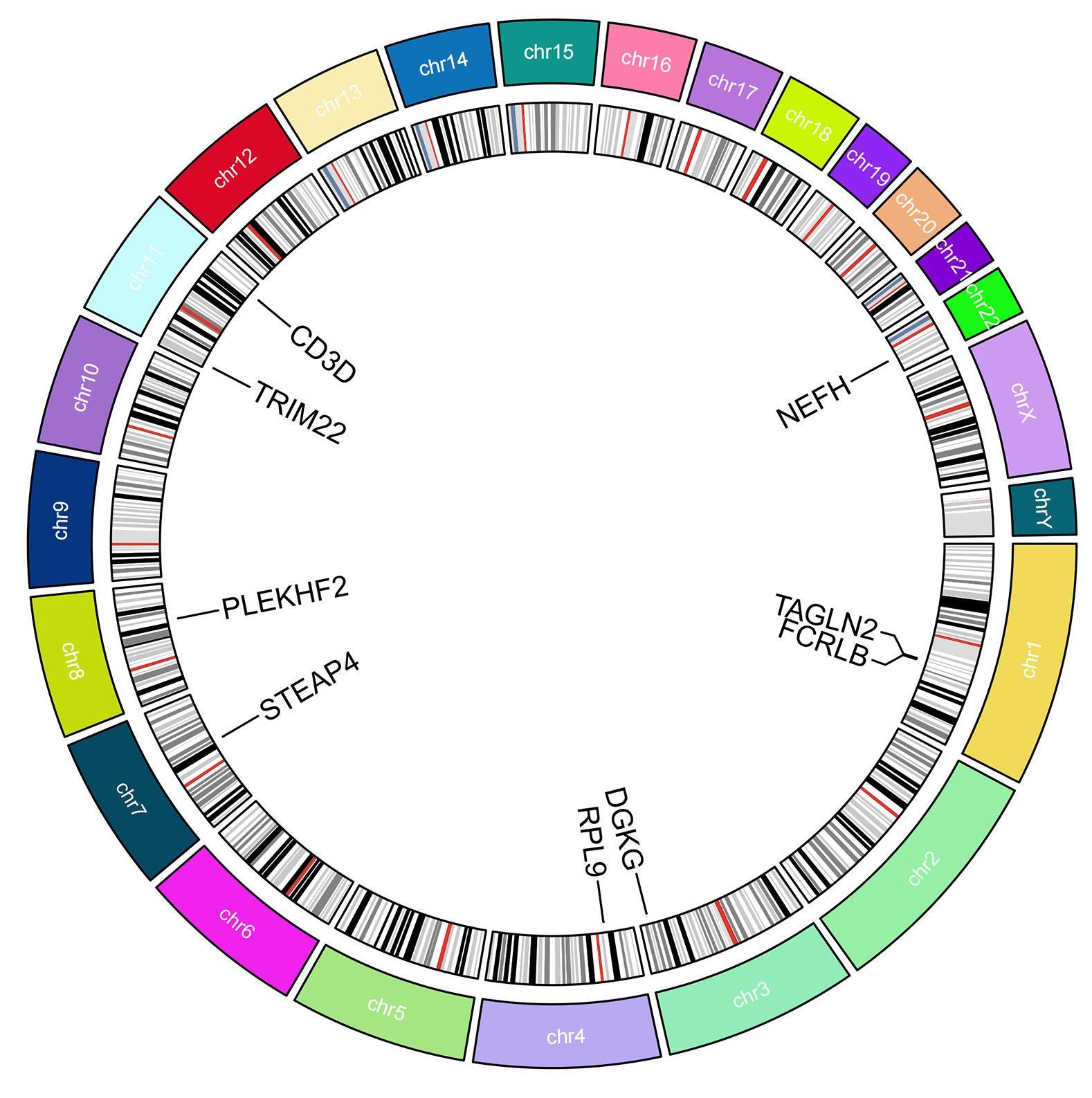
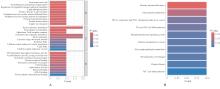
Fig. 6
GO functional enrichment analysis and KEGG signaling pathway enrichment analysis of intersecting genes"
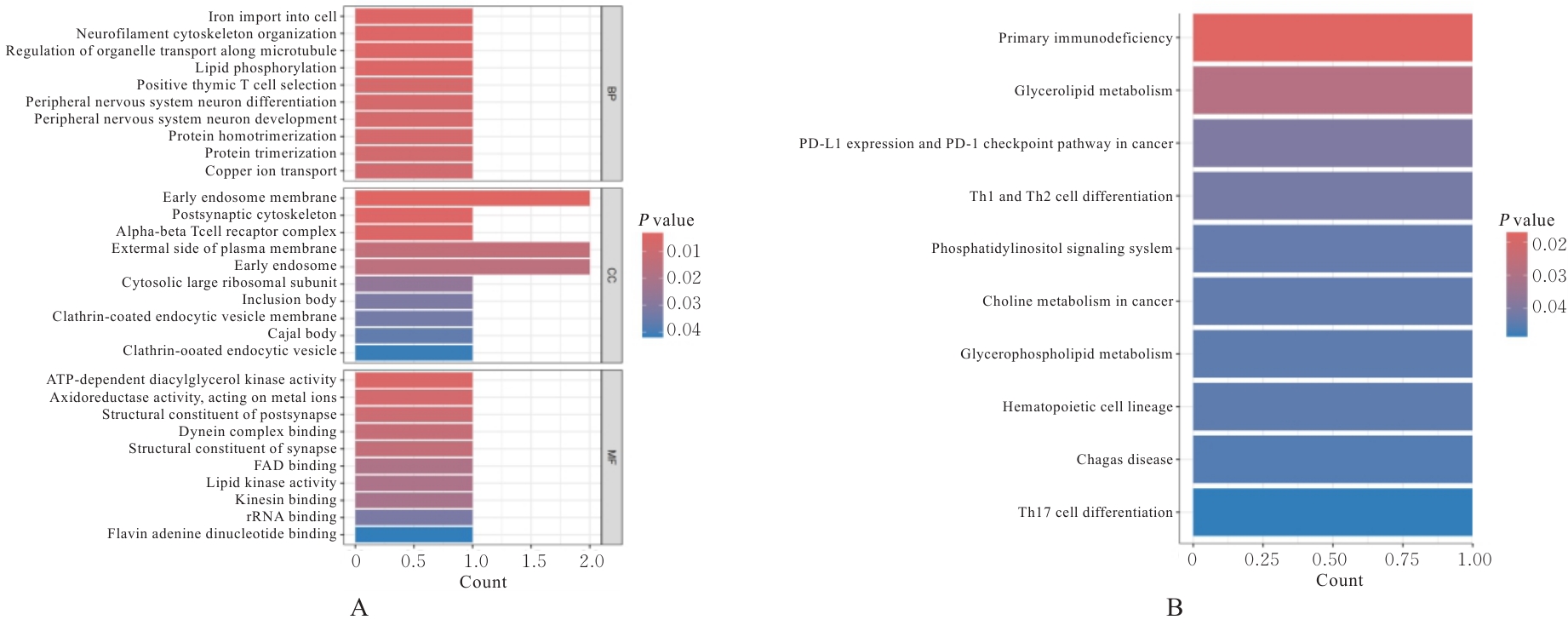
Fig. 7
Diagrams of results of GESA"
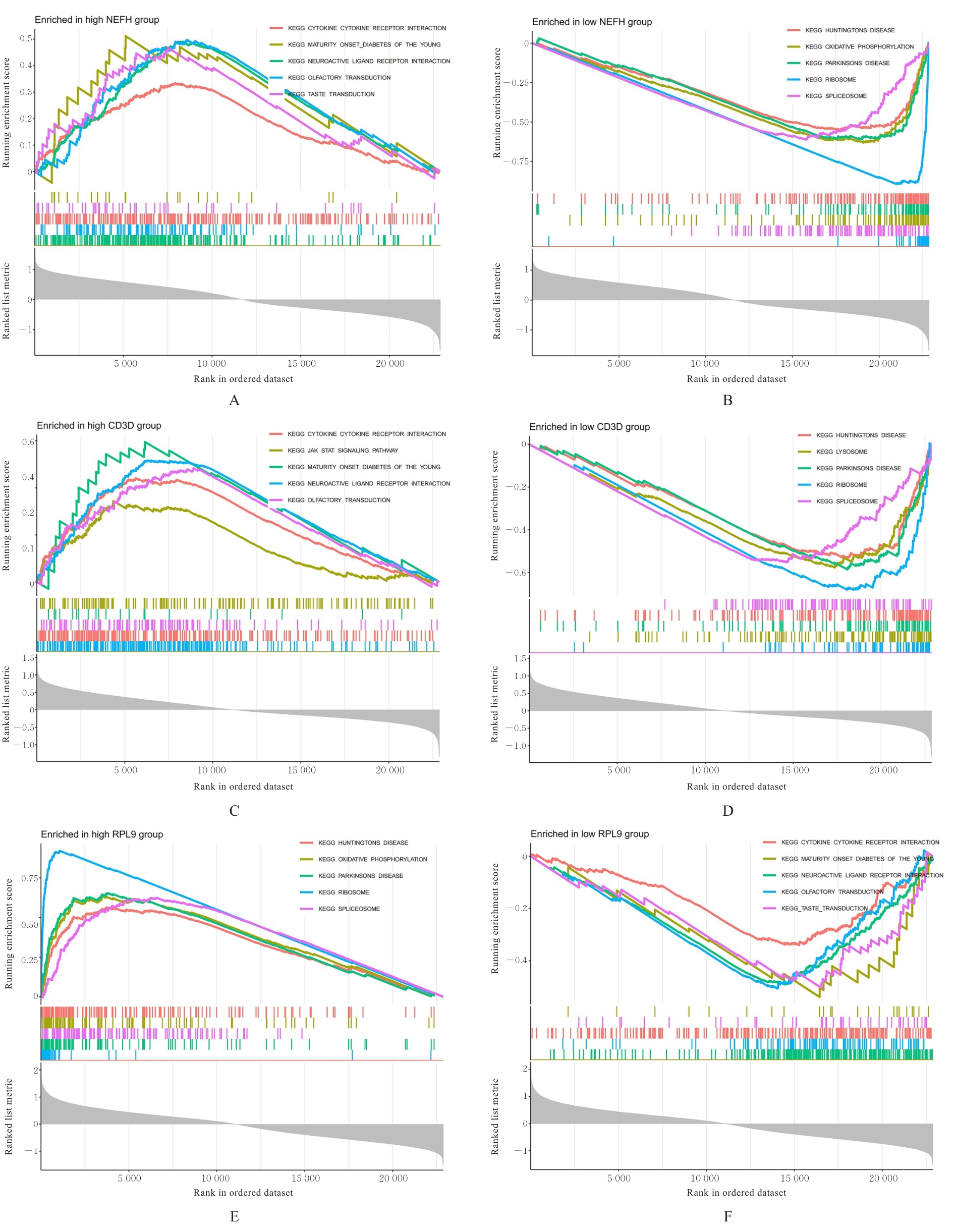
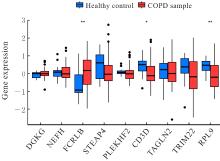
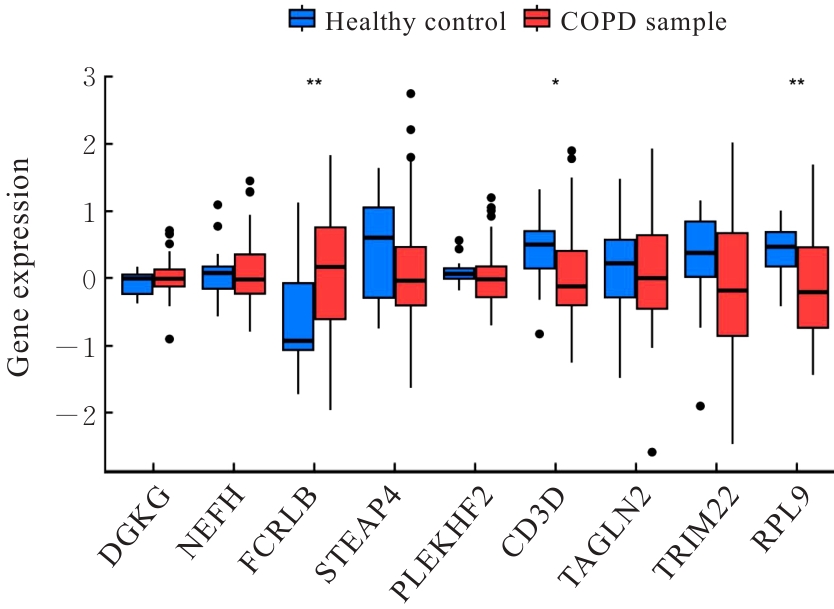
Fig. 8
Boxplot of variance analysis of validation group"
| [1] | 易 琼, 李 方, 雷 思, 等. 自主研发的藏四味清肺合剂联合常规治疗对慢性阻塞性肺疾病急性加重期患者的临床疗效和安全性[J]. 中南大学学报(医学版), 2024, 49(6): 921-931. |
| [2] | SIN D D, DOIRON D, AGUSTI A, et al. Air pollution and COPD: gold 2023 committee report[J]. Eur Respir J, 2023, 61(5): 2202469. |
| [3] | SAFIRI S, CARSON-CHAHHOUD K, NOORI M, et al. Burden of chronic obstructive pulmonary disease and its attributable risk factors in 204 countries and territories, 1990-2019: results from the Global Burden of Disease Study 2019[J]. BMJ, 2022, 378: e069679. |
| [4] | DING Z, WANG K, LI J, et al. Association between glutathione S-transferase gene M1 and T1 polymorphisms and chronic obstructive pulmonary disease risk: a meta-analysis[J]. Clin Genet, 2019, 95(1): 53-62. |
| [5] | HUNNINGHAKE G M, CHO M H, TESFAIGZI Y, et al. MMP12, lung function, and COPD in high-risk populations[J]. N Engl J Med, 2009, 361(27): 2599-2608. |
| [6] | PILLAI S G, GE D L, ZHU G H, et al. A genome-wide association study in chronic obstructive pulmonary disease (COPD): identification of two major susceptibility loci[J]. PLoS Genet, 2009, 5(3): e1000421. |
| [7] | SAKORNSAKOLPAT P, PROKOPENKO D, LAMONTAGNE M, et al. Genetic landscape of chronic obstructive pulmonary disease identifies heterogeneous cell-type and phenotype associations[J]. Nat Genet, 2019, 51(3): 494-505. |
| [8] | MILNE S, LI X, HERNANDEZ CORDERO A I, et al. Protective effect of club cell secretory protein (CC-16) on COPD risk and progression: a Mendelian randomisation study[J]. Thorax, 2020, 75(11): 934-943. |
| [9] | VÕSA U, CLARINGBOULD A, WESTRA H J, et al. Large-scale cis- and trans-eQTL analyses identify thousands of genetic loci and polygenic scores that regulate blood gene expression[J]. Nat Genet, 2021, 53(9): 1300-1310. |
| [10] | BOWDEN J, DEL GRECO M F, MINELLI C, et al. Improving the accuracy of two-sample summary-data Mendelian randomization: moving beyond the NOME assumption[J]. Int J Epidemiol, 2019, 48(3): 728-742. |
| [11] | HARTWIG F P, DAVEY SMITH G, BOWDEN J. Robust inference in summary data Mendelian randomization via the zero modal pleiotropy assumption[J]. Int J Epidemiol, 2017, 46(6): 1985-1998. |
| [12] | BOWDEN J, DAVEY SMITH G, BURGESS S. Mendelian randomization with invalid instruments: effect estimation and bias detection through egger regression[J]. Int J Epidemiol, 2015, 44(2): 512-525. |
| [13] | CHOI J Y, RHEE C K. Diagnosis and treatment of early chronic obstructive lung disease (COPD)[J]. J Clin Med, 2020, 9(11): 3426. |
| [14] | 中华医学会, 中华医学会杂志社, 中华医学会全科医学分会, 等. 中国慢性阻塞性肺疾病基层诊疗与管理指南(2024年)[J]. 中华全科医师杂志, 2024, 23(6): 578-602. |
| [15] | OHNISHI H, EITOKU M, YOKOYAMA A. A systematic review and integrated analysis of biologics that target Type 2 inflammation to treat COPD with increased peripheral blood eosinophils[J]. Heliyon, 2022, 8(6): e09736. |
| [16] | WANG C X, ZHOU J D, WANG J Q, et al. Progress in the mechanism and targeted drug therapy for COPD[J]. Signal Transduct Target Ther, 2020, 5(1): 248. |
| [17] | ZHANG L R, XU J L, ZHOU S Q, et al. Endothelial DGKG promotes tumor angiogenesis and immune evasion in hepatocellular carcinoma[J]. J Hepatol, 2024, 80(1): 82-98. |
| [18] | TAN L F, YANG X F, ZHANG J X, et al. Correlation between HIF1-a expression and airway remodeling in COPD[J]. Int J Chron Obstruct Pulmon Dis, 2024, 19: 921-931. |
| [19] | SONG Y B, QU Z, FENG H, et al. Genomic and immunological characterization of pyroptosis in lung adenocarcinoma[J]. J Oncol, 2022, 2022: 6905588. |
| [20] | LIU X L, HUANG X L, XU F. The influence of pyroptosis-related genes on the development of chronic obstructive pulmonary disease[J]. BMC Pulm Med, 2023, 23(1): 167. |
| [21] | WANG Z L, HE Y, CUN Y P, et al. Identification of potential key genes for immune infiltration in childhood asthma by data mining and biological validation[J]. Front Genet, 2022, 13: 957030. |
| [22] | SUN J, LIU T, YAN Y, et al. The role of Th1/Th2 cytokines played in regulation of specific CD4+ Th1 cell conversion and activation during inflammatory reaction of chronic obstructive pulmonary disease[J]. Scand J Immunol, 2018, 88(1): e12674. |
| [23] | WATANABE M, TOYOMURA T, WAKE H, et al. Cationic ribosomal proteins can inhibit pro-inflammatory action stimulated by LPS+HMGB1 and are hindered by advanced glycation end products[J]. Biotechnol Appl Biochem, 2024, 71(2): 264-271. |
| [24] | WATANABE M, TOYOMURA T, WAKE H, et al. Identification of ribosomal protein L9 as a novel regulator of proinflammatory damage-associated molecular pattern molecules[J]. Mol Biol Rep, 2022, 49(4): 2831-2838. |
| [25] | FARRE-GARROS R, LEE J Y, NATANEK S A, et al. Quadriceps miR-542-3p and-5p are elevated in COPD and reduce function by inhibiting ribosomal and protein synthesis[J]. J Appl Physiol (1985), 2019, 126(6): 1514-1524. |
| [26] | NAJAFINOBAR N, VENKATESAN S, VON SYDOW L, et al. ToF-SIMS mediated analysis of human lung tissue reveals increased iron deposition in COPD (GOLD IV) patients[J]. Sci Rep, 2019, 9: 10060. |
| [27] | ZHANG W Z, OROMENDIA C, KIKKERS S A, et al. Increased airway iron parameters and risk for exacerbation in COPD: an analysis from SPIROMICS[J]. Sci Rep, 2020, 10(1): 10562. |
| [28] | VARRICCHI G, POTO R. Towards precision medicine in COPD: targeting type 2 cytokines and alarmins[J]. Eur J Intern Med, 2024, 125: 28-31. |
| [29] | PROBOSZCZ M, GORYCA K, NEJMAN-GRYZ P, et al. Phenotypic variations of mild-to-moderate obstructive pulmonary diseases according to airway inflammation and clinical features[J]. J Inflamm Res, 2021, 14: 2793-2806. |
| [30] | HAYDEN L P, HOBBS B D, BUSCH R, et al. X chromosome associations with chronic obstructive pulmonary disease and related phenotypes: an X chromosome-wide association study[J]. Respir Res, 2023, 24(1): 38. |
| [31] | LUTZ S M, CHO M H, YOUNG K, et al. A genome-wide association study identifies risk loci for spirometric measures among smokers of European and African ancestry[J]. BMC Genet, 2015, 16: 138. |
| [32] | ALMUNTASHIRI S, ZHU Y, HAN Y, et al. Club cell secreted protein CC16: potential applications in prognosis and therapy for pulmonary diseases[J]. J Clin Med, 2020, 9(12): 4039. |
| [33] | YEW-BOOTH L, BIRRELL M A, LAU M S, et al. JAK-STAT pathway activation in COPD[J]. Eur Respir J, 2015, 46(3): 843-845. |
| [34] | LERNER C A, SUNDAR I K, RAHMAN I. Mitochondrial redox system, dynamics, and dysfunction in lung inflammaging and COPD[J]. Int J Biochem Cell Biol, 2016, 81(Pt B): 294-306. |
| [35] | BOZINOVSKI S, VLAHOS R, ANTHONY D, et al. COPD and squamous cell lung cancer: aberrant inflammation and immunity is the common link[J]. Br J Pharmacol, 2016, 173(4): 635-648. |
| [36] | HE S R, TIAN R Y, ZHANG X Y, et al. PPARγ inhibits small airway remodeling through mediating the polarization homeostasis of alveolar macrophages in COPD[J]. Clin Immunol, 2023, 250: 109293. |
| [37] | KUME H, YAMADA R, SATO Y, et al. Airway smooth muscle regulated by oxidative stress in COPD[J]. Antioxidants (Basel), 2023, 12(1): 142. |
| [38] | KOLAROV V, STEVULJEVIĆ J K, ILIĆ M, et al. Factorial analysis of N-acetylcysteine and propolis treatment effects on symptoms, life quality and exacerbations in patients with Chronic Obstructive Pulmonary Disease (COPD): a randomized, double-blind, placebo-controlled trial[J]. Eur Rev Med Pharmacol Sci, 2022, 26(9): 3192-3199. |
| [1] | Xingyun SUN,Fuyao LI,Kexin LI,Jing SHI. Causal relationship between tinnitus and risk of Alzheimer’s disease analyzed by Mendelian randomization [J]. Journal of Jilin University(Medicine Edition), 2025, 51(4): 1052-1060. |
| [2] | Linrui XU,Yiyu ZHANG,Jiaqi CUI,Xianzhu CONG,Shuang LI,Jiayu GE,Yujia KONG,Suzhen WANG,Fuyan SHI,Jinrong WANG. Construction of diagnostic model for Alzheimer’s disease and immune analysis based on bioinformatics and machine learning [J]. Journal of Jilin University(Medicine Edition), 2025, 51(4): 1039-1051. |
| [3] | Changyu SHI,Yong LI,Jing DENG,Chunmei PIAO,Ming JIN. Bioinformatics analysis on adjustment effect of colorectal liver metastases model in mice based on complement alternative pathway and its experimental verification [J]. Journal of Jilin University(Medicine Edition), 2025, 51(3): 703-715. |
| [4] | Xiaoyan WANG,Xuelian LI,Bin LIANG,Wenfei TIAN,Hailin MA,Zhijing MO. Analysis on relationship between CALU and prognosis of hepatocellular carcinoma patients and its mechanism based on transcriptome and single cell sequencing data [J]. Journal of Jilin University(Medicine Edition), 2025, 51(2): 447-459. |
| [5] | Liang LI,Xiangdong ZHOU,Jie WANG,Chaoqun XU,Mengxia ZHU,Shanjun YU,Qi LI. Effect of bitter-taste receptor T2R38 activation on ferroptosis of human airway epithelium NuLi-1 cells induced by cigarette smoke exposure and its mechanism [J]. Journal of Jilin University(Medicine Edition), 2025, 51(2): 333-340. |
| [6] | Huaxia MU,Weixiao BU,Shuting DING,Mengyao GAO,Weiqiang SU,Zhen ZHANG,Qifu BO,Feng LIU,Fuyan SHI,Qinghua WANG,Yujia KONG,Suzhen WANG. Two sample Mendelian randomization study on causal relationship between insulin-like growth factor-1 and colorectal cancer [J]. Journal of Jilin University(Medicine Edition), 2025, 51(2): 479-485. |
| [7] | Bo LIU,Chao SUN,Xu WANG,Kewei MA. Bioinformatics analysis on differentially expressed genes in multiple primary lung cancers based on GEO database [J]. Journal of Jilin University(Medicine Edition), 2025, 51(2): 437-446. |
| [8] | Wenchang CAI,Yuqi LIU,Han WANG,Helin WANG,Zhenjiang WANG,Zishen XIAO,Shiyuan MA,Liping AN,Yanbo LIU. Expression of protein kinase D2 in bladder cancer tissue and its effect on tumor immune microenvironment [J]. Journal of Jilin University(Medicine Edition), 2025, 51(2): 378-391. |
| [9] | Pengli WU,Fengyu LI,Bo LIU,Yang LYU. Effect of silencing DDX39A gene on proliferation, migration and invasion of esophageal cancer TE-1 cells and its mechanism [J]. Journal of Jilin University(Medicine Edition), 2025, 51(1): 115-123. |
| [10] | Peiqin JIANG,Zheng ZHANG,Zhong HUANG,Xianling LU. Expressions of autotaxin and lysophosphatidic acid receptor 3 in serum and lung tissue of patients with chronic obstructive pulmonary disease and their significances [J]. Journal of Jilin University(Medicine Edition), 2025, 51(1): 191-201. |
| [11] | Lyuyin SUN,Zhuping MA,Runlin LI,Yonggang LI,Xiaoli TAO. Screening of host proteins interacting with Nelson Bay orthoreovirus σNS based on yeast two-hybrid technology [J]. Journal of Jilin University(Medicine Edition), 2024, 50(5): 1313-1321. |
| [12] | Honghong LI,Na YU,Minghao SHI,Ying SUN,Yao LI,Zhongjun SHEN,Xiaoyi LIU,Liyan ZHAO. Predictive value of new thrombotic risk assessment model for venous thromboembolism in patients with malignant tumors [J]. Journal of Jilin University(Medicine Edition), 2024, 50(5): 1390-1399. |
| [13] | Zhifei LIU,Yaru BI,Chenglin SUN,Suyan TIAN. Mendelian randomization analysis based on causal relationship between gut microbiota and gestational diabetes mellitus [J]. Journal of Jilin University(Medicine Edition), 2024, 50(5): 1381-1389. |
| [14] | Jiaxin YI,Yangyu ZHANG,Yingli FU,Yuchen PAN,Yongjie HAN,Jing JIANG,Yanhua WU. Effect of MEIS1 expression on survival in patients after radical gastrectomy and its value in prognostic evaluation [J]. Journal of Jilin University(Medicine Edition), 2024, 50(5): 1358-1364. |
| [15] | Jinlian LI,Lanzhen HUANG,Xishi HUANG,Kangzhi LI,Jiali JIANG,Miaomiao ZHANG,Qunying WU. Bioinformatics analysis on key genes related to prognosis, diagnosis, and immune cell infiltration of hepatocellular carcinoma and their potential therapeutic drugs [J]. Journal of Jilin University(Medicine Edition), 2024, 50(4): 1062-1075. |
|
||