吉林大学学报(工学版) ›› 2025, Vol. 55 ›› Issue (7): 2203-2211.doi: 10.13229/j.cnki.jdxbgxb.20231161
• 材料科学与工程 • 上一篇
水性环氧树脂改性高早强砂浆的耐温机制
田耀刚1( ),蒋静1,赵成2,杨小敏3,张军4,贾侃1
- 1.长安大学 材料科学与工程学院,西安 710064
2.西北民航机场建设集团有限责任公司,西安 710065
3.中铁七局集团西安铁路工程有限公司 混凝土分公司,西安 710032
4.长安大学 工程机械学院,西安 710064
Temperature resistance mechanism of high-early-strength cement mortar modified with waterborne epoxy resin
Yao-gang TIAN1(),Jing JIANG1,Cheng ZHAO2,Xiao-min YANG3,Jun ZHANG4,Kan JIA1
- 1.School of Materials Science and Engineering,Chang’an University,Xi’an 710064,China
2.Northwest Civil Aviation Airport Construction Group Co. ,Ltd,Xi’an 710065,China
3.Concrete Branch of Xi'an Railway Engineering Co. ,Ltd. of China Railway Seventh Bureau Group,Xi’an 710032,China
4.School of Engineering Machinery,Chang'an University,Xi’an 710064,China
摘要:
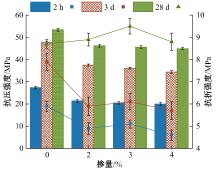
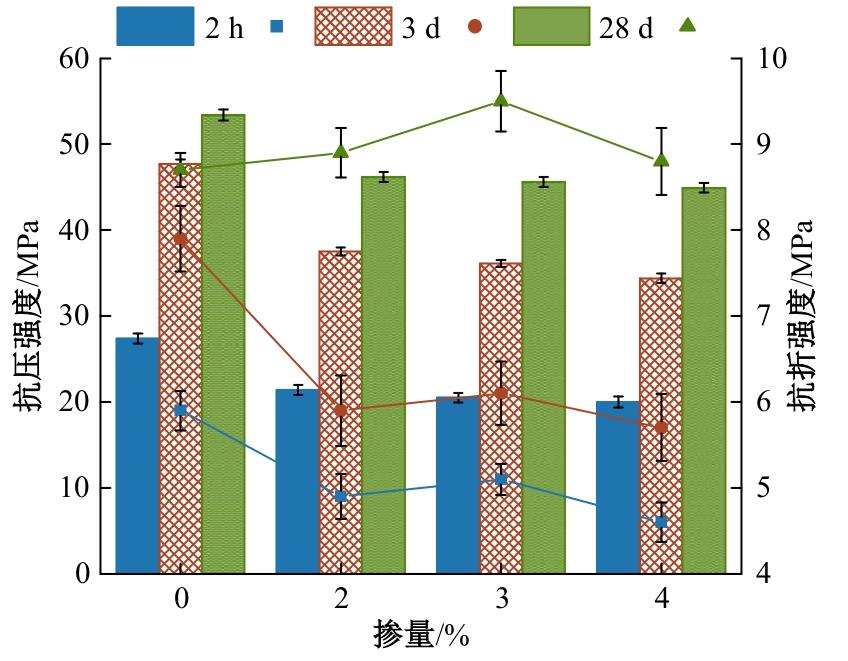
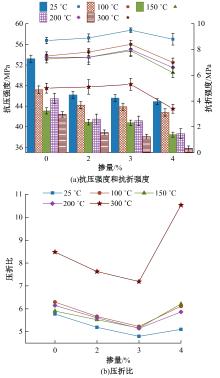
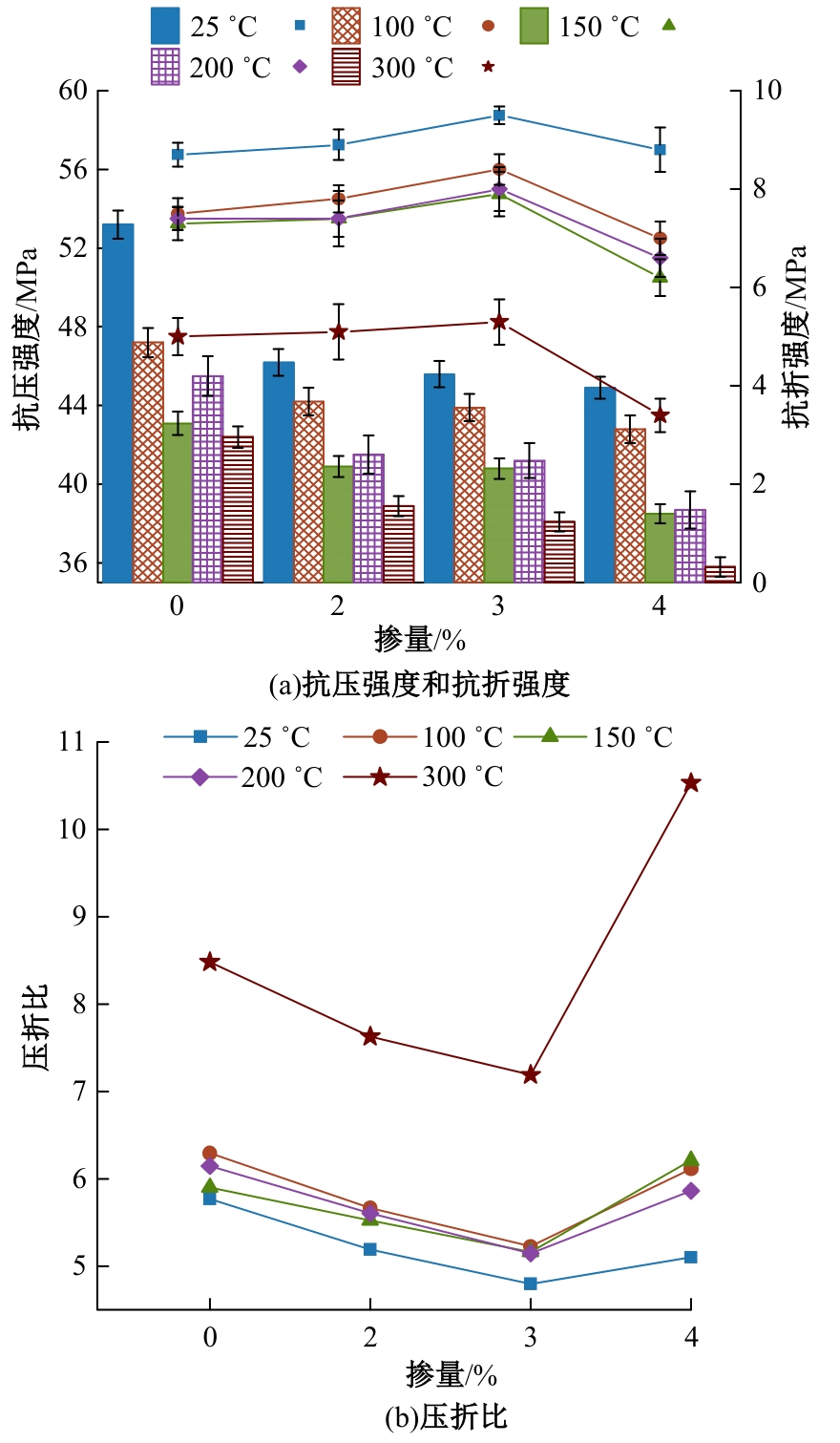
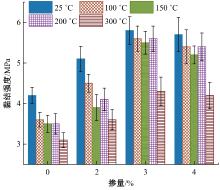
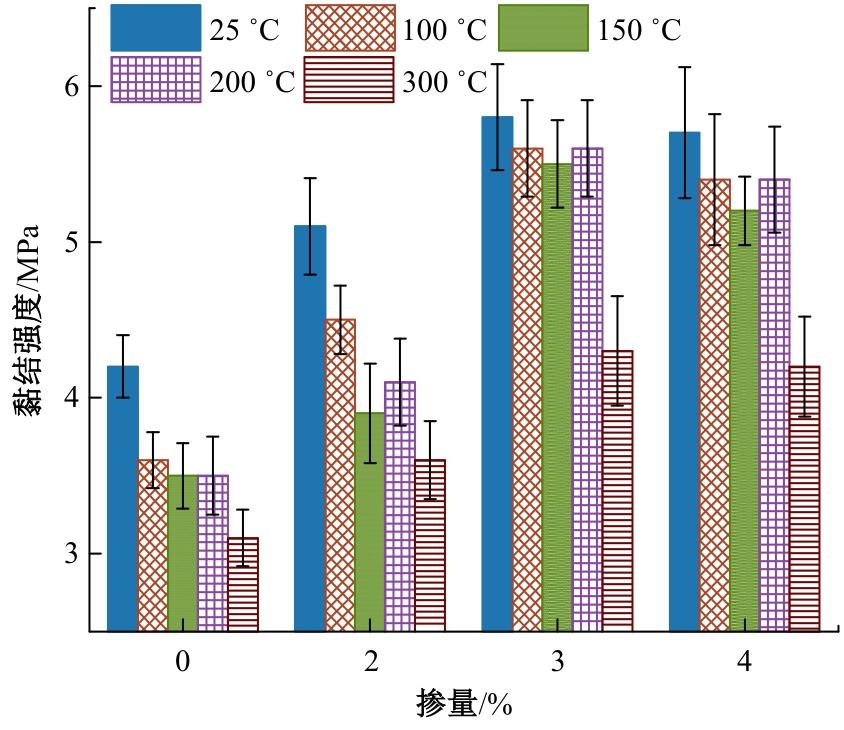
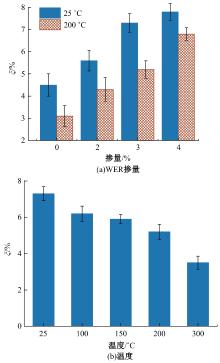
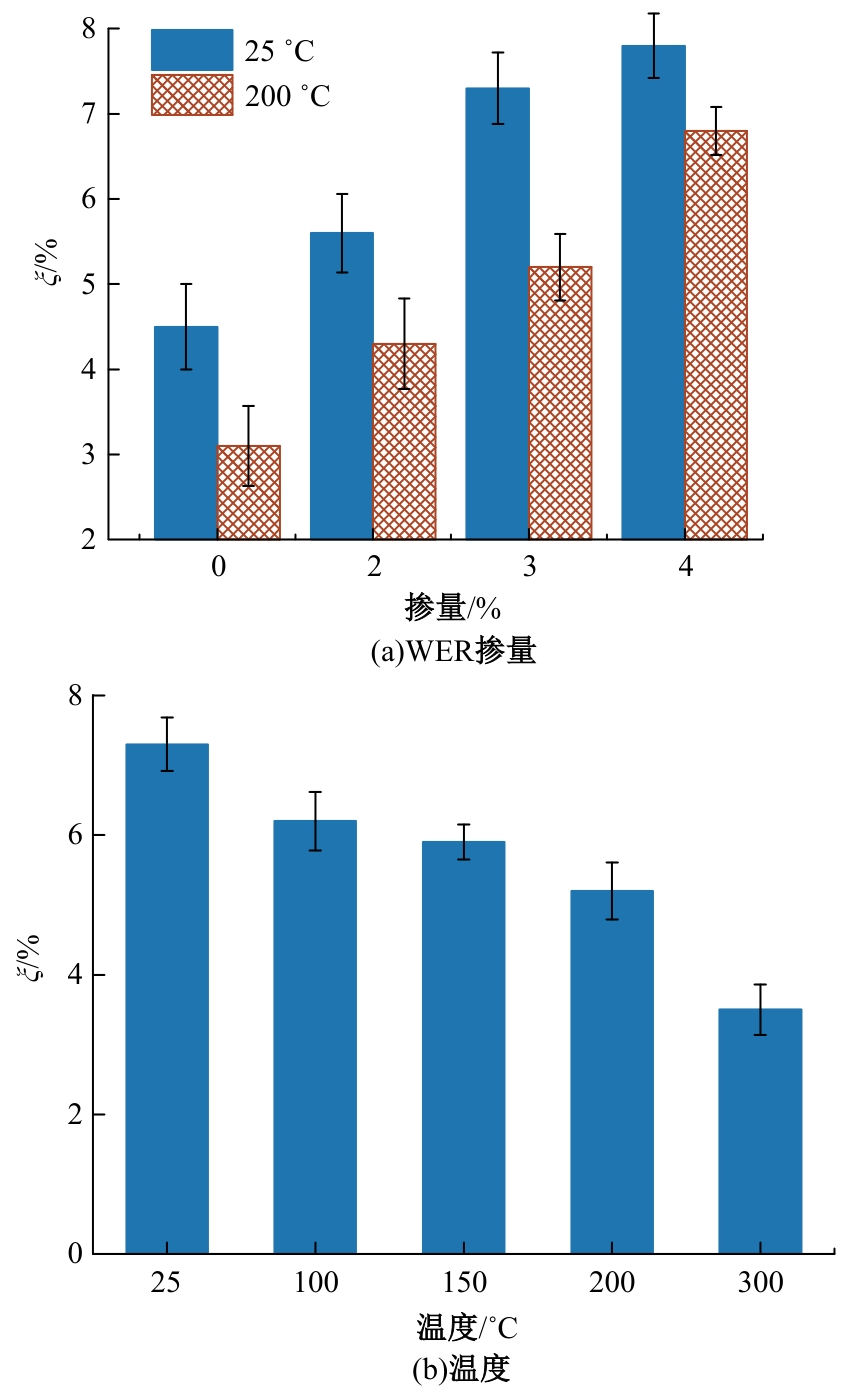
为探究高温对水性环氧树脂(WER)改性水泥砂浆的影响,本文对经不同温度(25、100、150、200和300 ℃)处理、不同WER掺量(0%、2%、3%和4%)的改性高早强砂浆的力学性能、阻尼性能、结构和组分进行了分析。结果表明,WER会延缓水泥水化反应,降低砂浆早期强度。但随着水泥继续水化和WER固化成膜,聚合物膜联结水化产物形成三维网络结构,构成分散性阻尼单元,进而增强砂浆的抗折强度、黏结强度和阻尼性能。尤其是当WER掺量为3%时,砂浆性能更好,能够满足水泥基快速修补材料对早期强度的要求。随着温度升高,砂浆宏观性能衰减,而WER较好的耐高温性和亲水性,有利于减轻砂浆力学强度和阻尼性能的劣化,改善其高温稳定性,这一规律在低于200 ℃范围内尤其明显。
中图分类号:
- TU528

| [1] | Shi C, Zou X W, Yang L, et al. Influence of humidity on the mechanical properties of polymer-modified cement-based repair materials[J]. Construction and Building Materials, 2020, 261: No.119928. |
| [2] | 宿晓萍, 王清. 复合盐浸-冻融-干湿多因素作用下的混凝土腐蚀破坏[J]. 吉林大学学报: 工学版, 2015, 45(1): 112-120. |
| Su Xiao-ping, Wang Qing. Corrosion damage of concrete under multi-salt soaking, freezing-thawing and dry-wet cycles[J]. Journal of Jilin University(Engineering and Technology Edition), 2015, 45(1): 112-120. | |
| [3] | Pang B, Zhang Y S, Liu G J. Study on the effect of waterborne epoxy resins on the performance and microstructure of cement paste[J]. Construction and Building Materials, 2018, 167: 831-845. |
| [4] | Luo J L, Li Q Y, Zhao T J, et al. Bonding and toughness properties of PVA fibre reinforced aqueous epoxy resin cement repair mortar[J]. Construction and Building Materials, 2013, 49: 766-711. |
| [5] | Marouani S, Curtil L, Hamelin P. Ageing of carbon/epoxy and carbon/vinylester composites used in the reinforcement and/or the repair of civil engineering structures[J]. Composites Part B: Engineering, 2012, 43(4): 2020-2030. |
| [6] | 董玉强, 夏正斌, 刘桂芝, 等. 水性环氧树脂固化剂的研究进展[J]. 涂料工业, 2019, 49(7): 70-75. |
| Dong Yu-qiang, Xia Zheng-bin, Liu Gui-zhi, et al. Research progress in waterborne epoxy resin curing agent[J]. Paint & Coatings Industry, 2019, 49(7): 70-75. | |
| [7] | Aggarwal L K, Thapliyal P C, Karade S R. Properties of polymer-modified mortars using epoxy and acrylic emulsions[J]. Construction and Building Materials, 2007, 21(2): 379-383. |
| [8] | 梁会忠, 韩飞, 钱慧丽, 等. 低掺量水性环氧树脂对高性能混凝土抗冻耐久性的研究[J]. 混凝土与水泥制品, 2012(1): 9-12. |
| Liang Hui-zhong, Han Fei, Qian Hui-li, et al. Study on the effects of low volume waterborne epoxy resin on freezing resistance durability of high performance concrete[J]. China Concrete and Cement Products, 2012(1): 9-12. | |
| [9] | 黄展魏, 陈伟, 李秋, 等. 水性环氧树脂改性水泥砂浆力学性能及微观结构[J]. 硅酸盐通报, 2017, 36(8): 2530-2535, 2540. |
| Huang Zhan-wei, Chen Wei, Li Qiu, et al. Mechanical properties and microstructure of waterborne epoxy resin modified cement mortar[J]. Bulletin of the Chinese Ceramic Society, 2017, 36(8): 2530-2535, 2540. | |
| [10] | 田甜. 水性环氧树脂乳液改性水泥砂浆性能的研究[D]. 长沙: 湖南大学土木工程学院, 2007. |
| Tian Tian. Study on properties of waterborne epoxy resin emulsion modified cement mortar[D]. Changsha: School of Civil Engineering, Hunan University, 2007. | |
| [11] | Rashid K, Ueda T, Zhang D, et al. Experimental and analytical investigations on the behavior of interface between concrete and polymer cement mortar under hygrothermal conditions[J]. Construction and Building Materials, 2015, 94: 414-425. |
| [12] | 雪凯旺, 苗苗, 周健. 高强混凝土高温爆裂行为改善措施的研究进展[J]. 硅酸盐通报, 2016, 35(10): 3209-3214. |
| Xue Kai-wang, Miao Miao, Zhou Jian. Improvement measures of high temperature explosive spalling of high strength concrete[J]. Bulletin of the Chinese Ceramic Society, 2016, 35(10): 3209-3214. | |
| [13] | 李黎. 高温后多尺度纤维水泥基材料性能演化规律与微观机理[D]. 大连: 大连理工大学土木工程学院, 2019. |
| Li Li. Evolutionary and micro mechanisms of multi-scale fiber reinforced cementitious composites after high temperature exposure[D]. Dalian: School of Civil Engineering, Dalian University of Technology, 2019. | |
| [14] | Kim J, Lee G P, Moon D Y. Evaluation of mechanical properties of steel-fibers reinforced concrete exposed to high temperature by double-punch test[J]. Construction and Building Materials, 2015, 79: 182-191. |
| [15] | Abedalqader A, Shatarat N, Ashteyat A, et al. Influence of temperature on mechanical properties of recycled asphalt pavement aggregate and recycled coarse aggregate concrete[J]. Construction and Building Materials, 2021, 269: No.121285. |
| [16] | 陈双, 莫忧, 胡建. 高温尾喷作用下水泥混凝土道面的疲劳损伤[J]. 西安建筑科技大学学报: 自然科学版, 2021, 53 (2): 194-201. |
| Chen Shuang, Mo You, Hu Jian. Fatigue damage of cement concrete pavement under high temperature tail spray[J]. Journal of Xi'an University of Architecture and Technology(Natural Science Edition), 2021, 53(2): 194-201. | |
| [17] | Qin J H, Qian J S, You C, et al. Bond behavior and interfacial micro-characteristics of magnesium phosphate cement onto old concrete substrate[J]. Construction and Building Materials, 2018, 167: 166-176. |
| [18] | Tian Y G, Lu D, Zhou J W, et al. Damping property of cement mortar incorporating damping aggregate[J]. Materials, 2020, 13(3): 792-804. |
| [19] | Tian Y G, Yan X H, Zhang M Y, et al. Effect of the characteristics of lightweight aggregates presaturated polymer emulsion on the mechanical and damping properties of concrete[J]. Construction and Building Materials, 2020, 253: No.119154. |
| [20] | Ma Q M, Guo R X, Zhao Z M, et al. Mechanical properties of concrete at high temperature: A review[J]. Construction and Building Materials, 2015, 93: 371-383. |
| [21] | Yang Y M, Xian G J, Li H, et al. Thermal aging of an anhydride-cured epoxy resin[J]. Polymer Degradation and Stability, 2015, 118: 111-119. |
| [22] | Yang J S, Ma L, Schmidt R, et al. Hybrid lightweight composite pyramidal truss sandwich panels with high damping and stiffness efficiency[J]. Composite Structures, 2016,148: 85-96. |
| [23] | Chi L, Lu S, Yao Y. Damping additives used in cement-matrix composites: a review[J]. Composites Part B: Engineering, 2019, 164: 26-36. |
| [24] | Sanaei Ataabadi H, Zare A, Rahmani H, et al. Lightweight dense polymer concrete exposed to chemical condition and various temperatures: An experimental investigation[J]. Journal of Building Engineering, 2021, 34: No.101878. |
| [25] | 李德栋. 硫铝酸盐水泥的红外光谱研究[J]. 硅酸盐学报, 1984, 12(1): 119-125. |
| Li De-dong. Infrared spectroscopy study of sulfoaluminate cement[J]. Journal of the Chinese Ceramic Society, 1984, 12(1): 119-125. | |
| [26] | 刘娟红, 马翼, 王祖琦, 等. 石膏种类对富水充填材料凝结硬化性能与机理的影响[J]. 工程科学学报, 2015, 37(12): 1557-1563. |
| Liu Juan-hong, Ma Yi, Wang Zu-qi, et al. Impact of gypsum type on the setting and hardening performance and mechanism of water-rich filling materials[J]. Chinese Journal of Engineering, 2015, 37(12): 1557-1563. | |
| [27] | 熊志远, 王士军, 张龙, 等. 阻尼结构减振性能的测试及分析[J]. 机械设计与制造, 2020(8): 64-67. |
| Xiong Zhi-yuan, Wang Shi-jun, Zhang Long, et al. Test and analysis of damping properties of damping structures[J]. Machinery Design & Manufacture, 2020(8): 64-67. | |
| [28] | 李亦东, 于翘. 阻尼结构与高聚物阻尼材料[J]. 材料科学与工程, 1995, 13 (2):1-13. |
| Li Yi-dong, Yu Qiao. Damping structures and high polymer damping materials[J]. Materials Science & Engineering, 1995, 13(2):1-13. | |
| [29] | 吕平, 盖盼盼, 伯仲维, 等. 阻尼层厚度对结构阻尼性能的影响[J]. 噪声与振动控制, 2013(2): 101-104. |
| Lv Ping, Gai Pan-pan, Bo Zhong-wei, et al. Influence of damping layer's thickness on vibration damping performance of structures[J]. Noise and Vibration Control, 2013(2): 101-104. |
| [1] | 韦万峰,张洪刚,张仰鹏,杨帆,唐伯明,孔令云. 废胶粉改性沥青改性机理、制备及性能研究进展[J]. 吉林大学学报(工学版), 2025, 55(6): 1834-1853. |
| [2] | 杨轸,郑瑞平,巩喆. 路网道路服役性能和交通状态耦合仿真预测[J]. 吉林大学学报(工学版), 2025, 55(6): 1973-1983. |
| [3] | 张安顺,付伟,张军辉,高峰. 长沙压实黏土剪切特性及应力-应变关系表征[J]. 吉林大学学报(工学版), 2025, 55(5): 1604-1616. |
| [4] | 王黎明,宋子坤,周辉,魏文,袁浩. 超声处置石油沥青的流变学响应及响应机理[J]. 吉林大学学报(工学版), 2025, 55(4): 1346-1355. |
| [5] | 俞靖洋,李东钊,张志清,王真,孙海林,布海玲,李明春. 环保型蓄盐沥青混合料性能损伤演变[J]. 吉林大学学报(工学版), 2025, 55(3): 888-898. |
| [6] | 徐俊鹏,郑传峰,杜艳韬,王雨航,路政,范文军. 寒区沥青混合料在水-热-力三场耦合作用下的损伤效应[J]. 吉林大学学报(工学版), 2025, 55(3): 877-887. |
| [7] | 念腾飞,韩召,魏智强,王国伟,戈锦果,李萍. 考虑骨料形态的沥青混合料细观数值建模方法[J]. 吉林大学学报(工学版), 2025, 55(2): 639-652. |
| [8] | 杨彦海,李百川,杨野,王崇骅,岳靓. 基于虚拟劈裂试验的集料椭球表面基构造[J]. 吉林大学学报(工学版), 2025, 55(2): 653-663. |
| [9] | 韦万峰,孔令云,禤炜安,杨帆,郭鹏. 沥青发泡特性及温拌混合料水分敏感性综述[J]. 吉林大学学报(工学版), 2025, 55(1): 20-35. |
| [10] | 郭风春,毕海鹏,王海涛,吴树正,杨泓雨. 基于时温等效的纳米碳粉改性沥青黏弹行为[J]. 吉林大学学报(工学版), 2025, 55(1): 221-229. |
| [11] | 高英力,谷小磊,廖美捷,胡新浪,谢雨彤. SiO2气凝胶/反应性弹性体三元共聚物/多聚磷酸复合改性沥青流变性能与改性机理[J]. 吉林大学学报(工学版), 2024, 54(7): 1978-1987. |
| [12] | 崔亚宁,司春棣,凡涛涛,王飞. 水-荷耦合作用下沥青桥面铺装层裂缝扩展分析[J]. 吉林大学学报(工学版), 2024, 54(7): 1988-1996. |
| [13] | 徐永丽,杨煦兰,周吉森,杨松翰,孙明刚. 温拌沥青的沥青烟成分及温拌剂抑烟性能[J]. 吉林大学学报(工学版), 2024, 54(6): 1701-1707. |
| [14] | 孙雅珍,薛博欣,孙岩,王志臣,潘嘉伟. 考虑非均匀性的沥青混合料开裂行为细观模拟[J]. 吉林大学学报(工学版), 2024, 54(6): 1708-1718. |
| [15] | 赵晓康,胡哲,牛振兴,张久鹏,裴建中,温永. 基于非均质模型的水稳碎石材料细观开裂行为[J]. 吉林大学学报(工学版), 2024, 54(5): 1258-1266. |
|
||