吉林大学学报(工学版) ›› 2025, Vol. 55 ›› Issue (7): 2233-2242.doi: 10.13229/j.cnki.jdxbgxb.20231050
• 交通运输工程·土木工程 • 上一篇
建成环境对共享单车时间集聚模式的非线性影响
戢晓峰( ),邓若凡,乔新,关昊天
- 昆明理工大学 交通工程学院,昆明 650500
Nonlinear influence of built environment on temporal aggregation modes of shared bicycles
Xiao-feng JI(),Ruo-fan DENG,Xin QIAO,Hao-tian GUAN
- College of Transportation Engineering,Kunming University of Science and Technology,Kunming 650500,China
摘要:
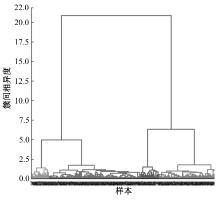
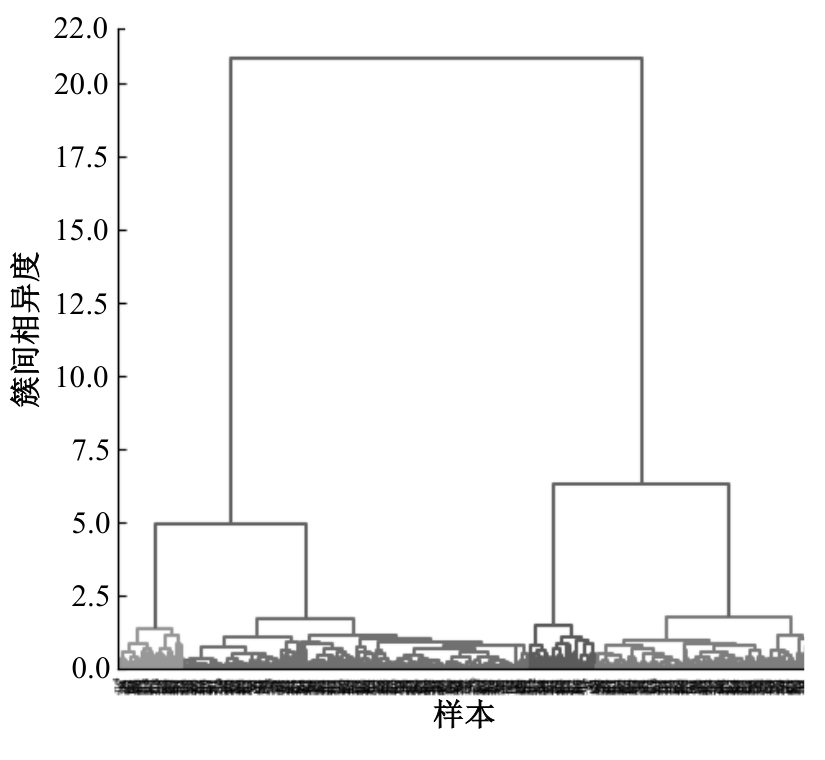
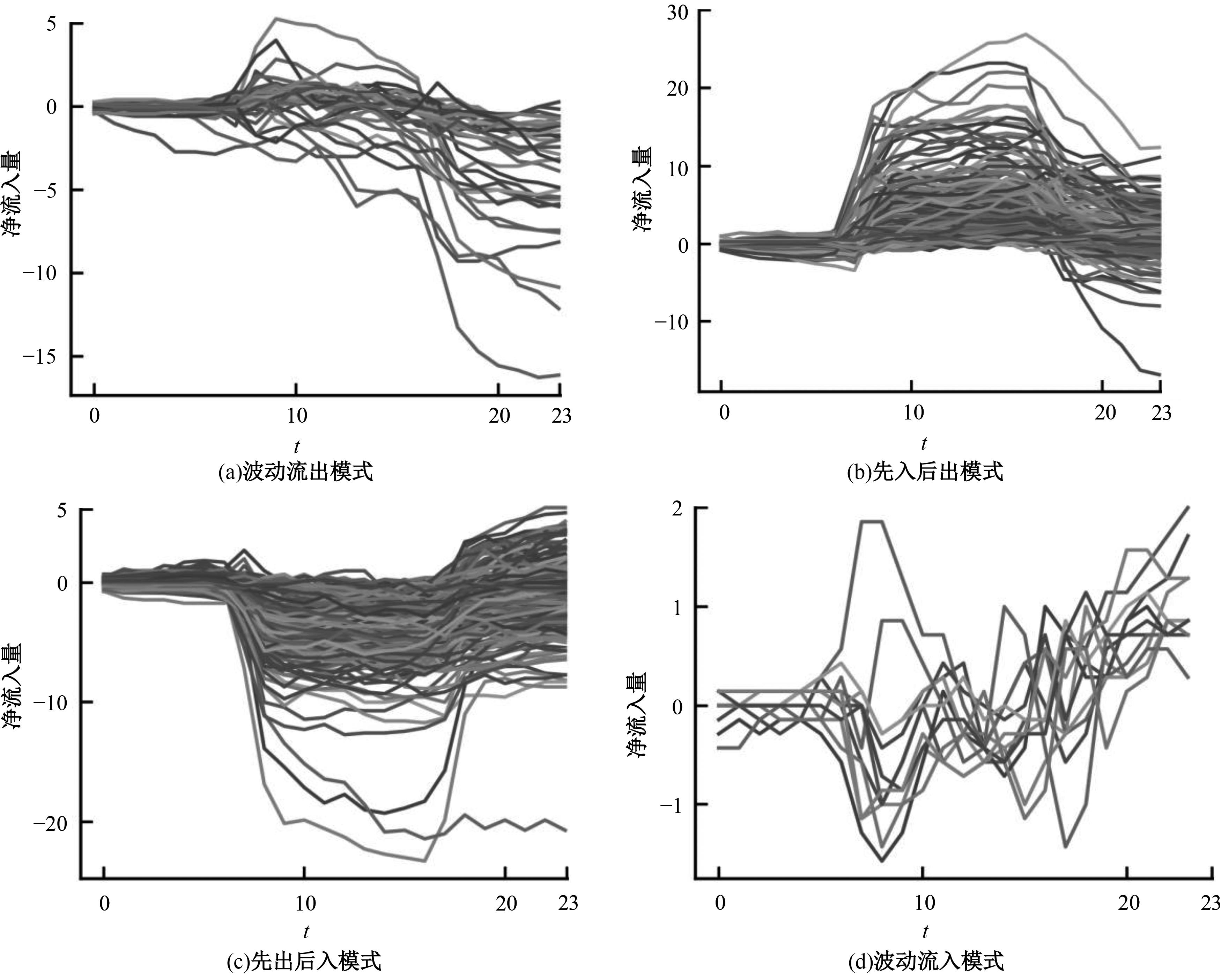
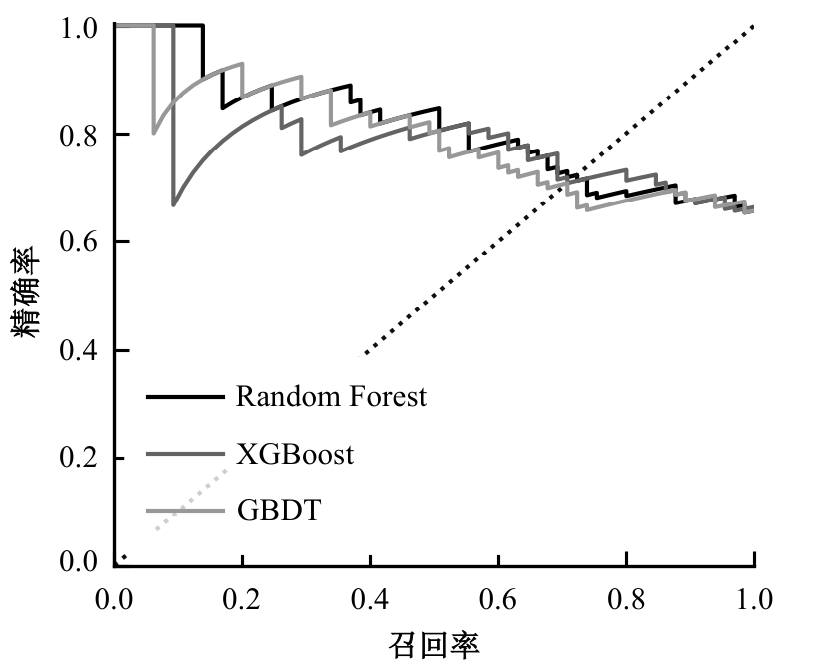
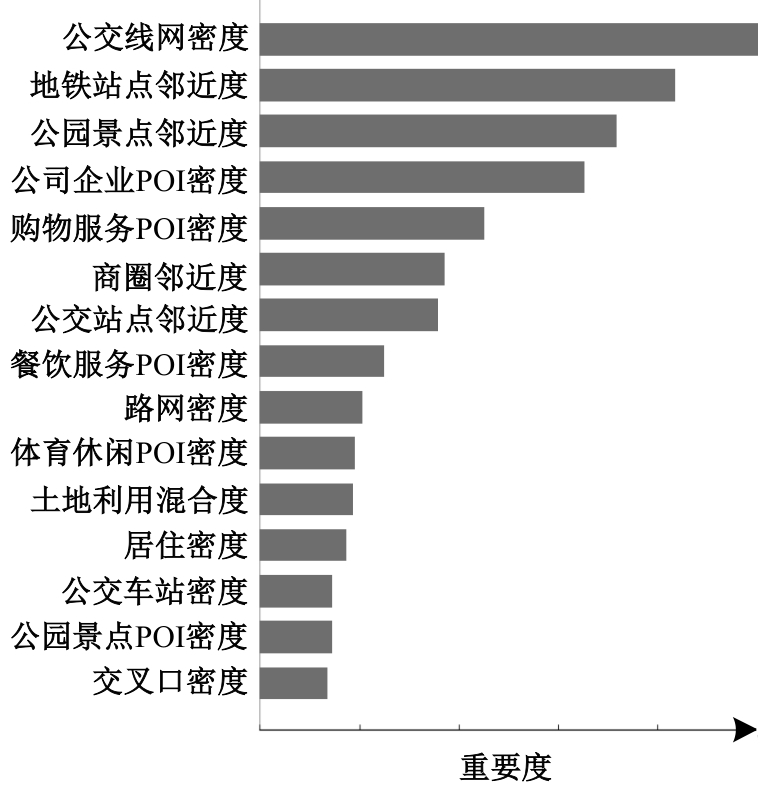
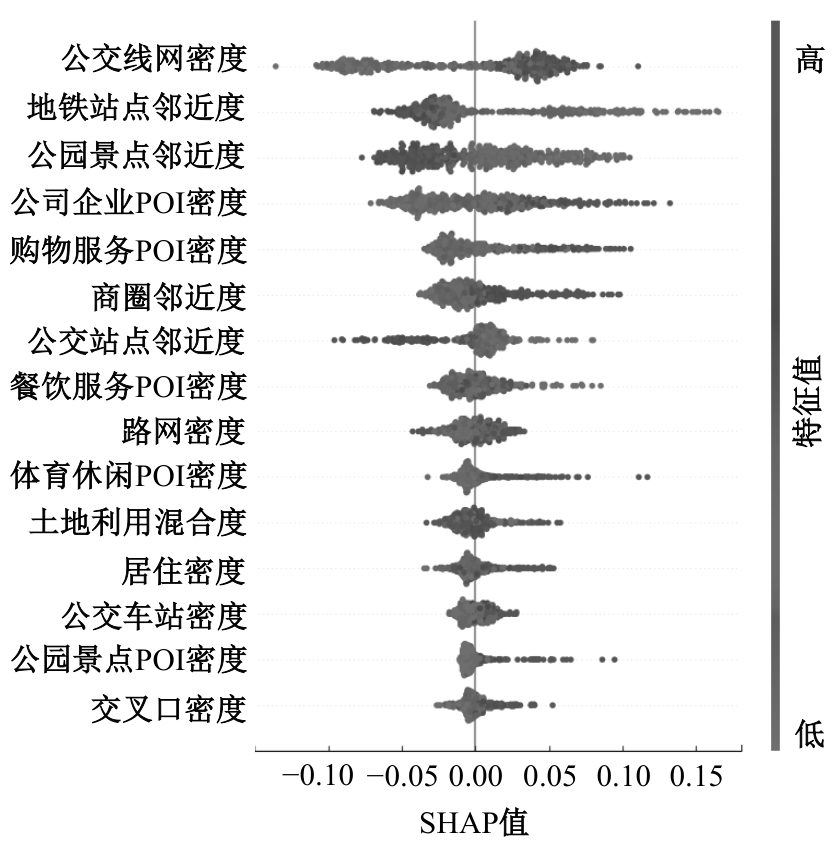
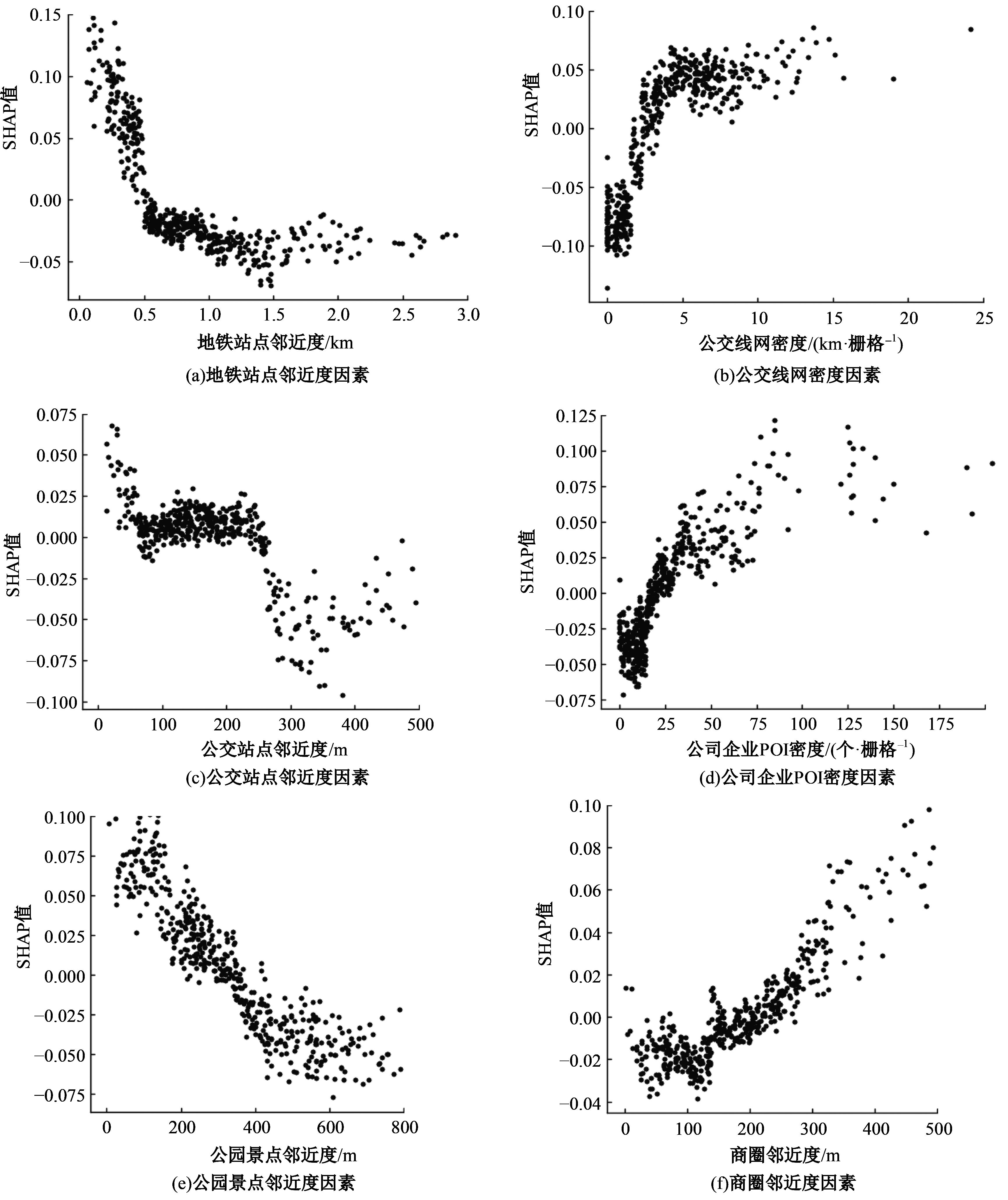
针对共享单车潮汐式供需失衡问题,从社会人口、交通设计与土地利用3个维度构建了建成环境指标体系,构建基于凝聚层次聚类模型提炼共享单车典型时间集聚模式,使用随机森林与沙普利加法解释模型揭示两者之间的非线性关系与阈值效应,并以云南省昆明市为例进行验证。结果表明:共享单车时间集聚模式主要为先入后出模式与先出后入模式。建成环境与共享单车时间集聚模式间存在显著的非线性关系,共享单车时间集聚模式主要受公交线网密度、公园景点邻近度、地铁站点邻近度和公司企业POI密度影响。地铁站点邻近度<0.5 km时,对共享单车时间集聚表现为先入后出模式概率具有抬升作用;公司企业密度<25个/栅格时,对其具有压降作用。
中图分类号:
- U491.225

| [1] | Shaheen S, Guzman S. Worldwide bikesharing[J]. ACCESS Magazine, 2011, 39(1): 22-27. |
| [2] | 邝嘉恒, 邬群勇. 接驳地铁站的共享单车时空均衡性分析与吸引区域优化[J]. 地球信息科学学报, 2022, 24(7): 1337-1348. |
| Kuang Jia-heng, Wu Qun-yong. Spatial-temporal equilibrium analysis and attraction area optimization of dockless sharing bicycles connected to subway stations[J]. Journal of Geo-information Science, 2022, 24(7):1337-1348. | |
| [3] | Faghih Imani A, Eluru N, El-Geneidy A M, et al. How land-use and urban form impact bicycle flows: Evidence from the bicycle-sharing system(BIXI) in montreal[J]. Journal of Transport Geography, 2014, 41: 306-314. |
| [4] | 黄颙昊, 杨新苗, 岳锦涛. 基于多尺度地理加权回归模型的城市道路骑行流量分析[J]. 清华大学学报:自然科学版, 2022, 62(7): 1132-1141. |
| Huang Yong-hao, Yang Xin-miao, Yue Jin-tao. Urban street bicycle flow analysis based on multi-scale geographically weighted regression model[J]. Journal of Tsinghua University(Science and Technology), 2022, 62(7): 1132-1141. | |
| [5] | 马新卫, 季彦婕, 金雨川,等. 基于时空地理加权回归的共享单车需求影响因素分析[J]. 吉林大学学报:工学版, 2020, 50(4): 1344-1354. |
| Ma Xin-wei, Ji Yan-jie, Jin Yu-chuan, et al. Geographically and temporally weighted regression for modeling spatio-temporal variation in dockless bikeshare usage demand[J]. Journal of Jilin University (Engineering and Technology Edition), 2020, 50(4):1344-1354. | |
| [6] | Ji Y, Ma X, Yang M, et al. Exploring spatially varying influences on metro-bikeshare transfer: A geographically weighted poisson regression approach[J]. Sustainability, 2018, 10(5): No.1526. |
| [7] | Wang K, Chen Y J. Joint Analysis of the impacts of built environment on bikeshare station capacity and trip attractions[J]. Journal of Transport Geography, 2020, 82: No.102603. |
| [8] | Shen Y, Zhang X, Zhao J. Understanding the usage of dockless bike sharing in Singapore[J]. International Journal of Sustainable Transportation, 2018, 12(9): 686-700. |
| [9] | Ding C, Chen P, Jiao J. Non-linear effects of the built environment on automobile-involved pedestrian crash frequency: a machine learning approach[J]. Accident Analysis & Prevention, 2018, 112: 116-126. |
| [10] | 高楹, 宋辞, 郭思慧, 等. 接驳地铁站的共享单车源汇时空特征及其影响因素[J]. 地球信息科学学报, 2021, 23(1): 155-170. |
| Gao Ying, Song Ci, Guo Si-hui, et al. Spatial-temporal characteristics and influencing factors of source and sink of dockless sharing bicycles connected to subway stations[J]. Journal of Geo-information Science, 2021, 23(1): 155-170. | |
| [11] | Cao M, Cai B, Ma S, et al. Analysis of the cycling flow between origin and destination for dockless shared bicycles based on singular value decomposition[J]. ISPRS International Journal of Geo-Information, 2019, 8(12): 573. |
| [12] | 李武, 戢晓峰, 陈方, 等.建成环境对常规公交空间公平性的非线性影响[J]. 公路交通科技, 2023, 40(8): 207-213. |
| Li Wu, JI Xiao-feng, Chen Fang, et al. Nonlinear influence of built environment on spatial fairness of conventional transit[J]. Journal of Highway and Transportation Research and Development, 2023, 40(8): 207-213. | |
| [13] | Ewing R, Cervero R. Travel and the built environment: A synthesis[J]. Transportation Research Record, 2001, 1780(1): 87-114. |
| [14] | 王建军, 王赛, 宋明洋, 等.大数据背景下城市建成环境对出行行为影响研究综述[J].长安大学学报:自然科学版,2022,42(1):61-78. |
| Wang Jian-jun, Wang Sai, Song Ming-yang, et al. Review of research on impact of urban built environment on travel behavior in big data context[J]. Journal of Chang'an University(Natural Science Edition),2022, 42(1): 61-78. | |
| [15] | Rodionov I V, Sozontov A N. 2020. On confidence estimation based on quantitative similarity coefficients[J]. Automation and Remote Control, 81(2): 320-332. |
| [16] | 李冬梅, 杨宇, 孟湘皓, 等.多标签分类综述[J].计算机科学与探索,2023,17(11):2529-2542. |
| Li Dong-mei, Yang Yu, Meng Xiang-hao, et al. Review on multi-lable classification[J]. Journal of Frontiers of Computer Science and Technology, 2023,17(11):2529-2542. | |
| [17] | Aas K, Jullum M, Loland A. Explaining individual predictions when features are dependent: More accurate approximations to Shapley values[J]. Artificial Intelligence, 2021, 298: No.103502. |
| [1] | 柴树山,周志强,李海涛,徐炅旸. 基于图时空模式学习网络的路网实时交通事件自动检测方法[J]. 吉林大学学报(工学版), 2025, 55(7): 2145-2161. |
| [2] | 潘福全,牛远征,张丽霞,杨金顺,陈秀锋,陈德启. 智能网联环境下无信号交叉口车辆通行控制策略[J]. 吉林大学学报(工学版), 2025, 55(6): 1948-1962. |
| [3] | 闫晟煜,程铭杰,田宏策,王洪瑀,周永恒,马博浩. 封闭式景区纯电动客车调度方法[J]. 吉林大学学报(工学版), 2025, 55(6): 1984-1993. |
| [4] | 赵红专,吴泽健,张鑫,石胜文,李文勇,展新,许恩永,王佳明. 基于密度离散度和信息传输延迟的网联商用车弯道格子模型[J]. 吉林大学学报(工学版), 2025, 55(6): 2015-2029. |
| [5] | 潘义勇,徐家聪,尤逸文,全勇俊. 网约车出行需求影响因素多尺度空间异质性分析[J]. 吉林大学学报(工学版), 2025, 55(5): 1567-1575. |
| [6] | 卢凯明,陈艳艳,仝瑶,张健,李永行,罗莹. 数据驱动的信号交叉口排队尾车驶离状态预测[J]. 吉林大学学报(工学版), 2025, 55(4): 1275-1286. |
| [7] | 周成栋,宋菲,赵小梅,姚俊杰. 基于多模式双动态演化的拥堵收费模型[J]. 吉林大学学报(工学版), 2025, 55(4): 1319-1327. |
| [8] | 张河山,范梦伟,谭鑫,郑展骥,寇立明,徐进. 基于改进YOLOX的无人机航拍图像密集小目标车辆检测[J]. 吉林大学学报(工学版), 2025, 55(4): 1307-1318. |
| [9] | 秦严严,肖腾飞,罗钦中,王宝杰. 雾天高速公路车辆跟驰安全分析与控制策略[J]. 吉林大学学报(工学版), 2025, 55(4): 1241-1249. |
| [10] | 宋现敏,湛天舒,李海涛,刘博,张云翔. 考虑用户成本和泊位利用率的停车预约分配模型[J]. 吉林大学学报(工学版), 2025, 55(4): 1287-1297. |
| [11] | 郭祎,魏书威,姜涛. 基于区位势能和多源数据的城市客运交通规划算法[J]. 吉林大学学报(工学版), 2025, 55(4): 1328-1335. |
| [12] | 潘义勇,徐翔宇. 数据不平衡的MobileViT网络交通事故严重程度预测模型[J]. 吉林大学学报(工学版), 2025, 55(3): 947-953. |
| [13] | 陈永恒,杨家伟,孙经宇. 借道左转交叉口的网联左转车辆最佳轨迹控制[J]. 吉林大学学报(工学版), 2025, 55(2): 614-622. |
| [14] | 陈发城,鲁光泉,林庆峰,张浩东,马社强,刘德志,宋会军. 有条件自动驾驶下驾驶人接管行为综述[J]. 吉林大学学报(工学版), 2025, 55(2): 419-433. |
| [15] | 何永明,冯佳,魏堃,万亚楠. 超高速公路曲线路段车辆制动侧滑影响因素分析[J]. 吉林大学学报(工学版), 2025, 55(2): 591-602. |
|
||