Journal of Jilin University(Medicine Edition) ›› 2026, Vol. 52 ›› Issue (3): 703-718.doi: 10.13481/j.1671-587X.20260313
• Research in basic medicine • Previous Articles
Network pharmacology analysis of mechanism of Taohong Siwu Decoction in treating periodontitis and its in vitro experimental validation
Shuang HAN1,Jingwen HUANG1,Yue SHI1,Xinyue HUANG2,Mengru GUO2,Yi ZHENG1( ),Ning MA1()
- 1.Department of Periodontics,Stomatology Hospital,Jilin University,Changchun,130021,China
2.Department of Oral Emergency & Oral Mucosal Diseases,Stomatology Hospital,Jilin University,Changchun 130021,China
-
Received:2025-11-10Accepted:2025-12-19Online:2026-05-28Published:2026-06-08 -
Contact:Yi ZHENG,Ning MA E-mail:zhengyi8304@jlu.edu.cn;man@jlu.edu.cn

CLC Number:
- R78
Cite this article
Shuang HAN,Jingwen HUANG,Yue SHI,Xinyue HUANG,Mengru GUO,Yi ZHENG,Ning MA. Network pharmacology analysis of mechanism of Taohong Siwu Decoction in treating periodontitis and its in vitro experimental validation[J].Journal of Jilin University(Medicine Edition), 2026, 52(3): 703-718.
share this article
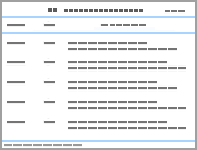
Tab.1
Primer sequences of RT-qPCR"
| Gene | Primer sequence (5'-3') |
|---|---|
| TNF-α | F: GGCAGGTCTACTTTGGAGTCATTG R: ACATTCGAGGCTCCAGTGAATTCGG |
| IL-6 | F: CTGCAAGAGACTTCCATCCAG R: AGTGGTATAGACAGGTCTGTTGG |
| IL-1β | F: GACCTTCCAGGATGAGGACA R: AGCTCATATGGGTCCGAACAG |
| IL-10 | F: GCTCTTACTGACTGGCATGAG R: CGCAGCTCTAGGAGCATGTG |
| β-actin | F: CTTTGCAGCTCCTTCGTTGC R: ACGATGGAGGGGAATACAGC |
Tab.2
Major active ingredients and IDs of THSWD"
| Ingredient | Mol ID | ID | OB (η/%) | DL |
|---|---|---|---|---|
| β-sitosterol | MOL000358 | A1 | 36.91 | 0.75 |
| Sitosterol | MOL000359 | B1 | 36.91 | 0.75 |
| Kaempferol | MOL000422 | C1 | 41.88 | 0.24 |
| Stigmasterol | MOL000449 | D1 | 43.82 | 0.75 |
| Mairin | MOL000211 | BS1 | 55.37 | 0.77 |
| (+)-catechin | MOL000492 | BS2 | 54.82 | 0.24 |
| Paeoniflorgenone | MOL001918 | BS3 | 87.59 | 0.36 |
| (3S,5R,8R,9R,10S,14S)-3,17-dihydroxy-4,4,8,10,14-pentamethyl-2,3,5,6,7, 9-hexahydro-1H-cyclopenta[a]phenanthrene-15,16-dione | MOL001919 | BS4 | 43.55 | 0.53 |
| Paeoniflorin | MOL001924 | BS5 | 53.87 | 0.78 |
| FA | MOL000433 | CX1 | 68.96 | 0.70 |
| Mandenol | MOL001494 | CX2 | 41.99 | 0.19 |
| Myricanone | MOL002135 | CX3 | 40.59 | 0.51 |
| Perlolyrine | MOL002140 | CX4 | 65.94 | 0.27 |
| wallichilide | MOL002157 | CX5 | 42.31 | 0.70 |
| luteolin | MOL000006 | HH1 | 36.16 | 0.24 |
| quercetin | MOL000098 | HH2 | 46.43 | 0.27 |
| CLR | MOL000953 | HH3 | 37.87 | 0.67 |
| poriferast-5-en-3beta-ol | MOL001771 | HH4 | 36.91 | 0.75 |
4-[(E)-4-(3,5-dimethoxy-4-oxo-1-cyclohexa-2,5-dienylidene)but-2-enylidene]-2,6- dimethoxycyclohexa-2,5-dien-1-one | MOL002694 | HH5 | 48.46 | 0.36 |
| lignan | MOL002695 | HH6 | 43.31 | 0.65 |
| Pyrethrin Ⅱ | MOL002710 | HH7 | 48.35 | 0.35 |
| 6-Hydroxykaempferol | MOL002712 | HH8 | 62.13 | 0.27 |
| baicalein | MOL002714 | HH9 | 33.51 | 0.20 |
| qt_carthamone | MOL002717 | HH10 | 51.02 | 0.20 |
| quercetagetin | MOL002721 | HH11 | 45.00 | 0.30 |
| 7,8-dimethyl-1H-pyrimido[5,6-g]quinoxaline-2,4-dione | MOL002757 | HH12 | 45.75 | 0.18 |
| β-carotene | MOL002773 | HH13 | 37.18 | 0.58 |
| Baicalin | MOL002776 | HH14 | 40.12 | 0.75 |
| Hederagenin | MOL000296 | TR1 | 36.91 | 0.75 |
| Campesterol | MOL000493 | TR2 | 37.57 | 0.71 |
| Sitosterol alpha1 | MOL001323 | TR3 | 43.28 | 0.78 |
| 2,3-didehydro GA70 | MOL001328 | TR4 | 63.29 | 0.49 |
| 2,3-didehydro GA77 | MOL001329 | TR5 | 88.08 | 0.53 |
| GA120 | MOL001340 | TR6 | 84.84 | 0.45 |
| GA121-isolactone | MOL001342 | TR7 | 72.69 | 0.53 |
| GA122-isolactone | MOL001344 | TR8 | 88.11 | 0.53 |
| 4a-formyl-7alpha-hydroxy-1-methyl-8-methylidene-4aalpha,4bbeta-gibbane-1alpha, 10beta-dicarboxylic acid | MOL001349 | TR9 | 88.59 | 0.46 |
| Gibberellin A44 | MOL001351 | TR10 | 101.61 | 0.54 |
| GA54 | MOL001352 | TR11 | 64.20 | 0.53 |
| GA60 | MOL001353 | TR12 | 93.16 | 0.53 |
| GA63 | MOL001355 | TR13 | 65.54 | 0.53 |
| Gibberellin 7 | MOL001358 | TR14 | 73.80 | 0.49 |
| GA77 | MOL001360 | TR15 | 87.89 | 0.52 |
| GA87 | MOL001361 | TR16 | 68.85 | 0.57 |
| 3-O-p-coumaroylquinic acid | MOL001368 | TR17 | 37.62 | 0.28 |
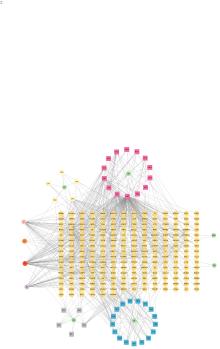
Fig. 1
Drug-ingredient-target network"
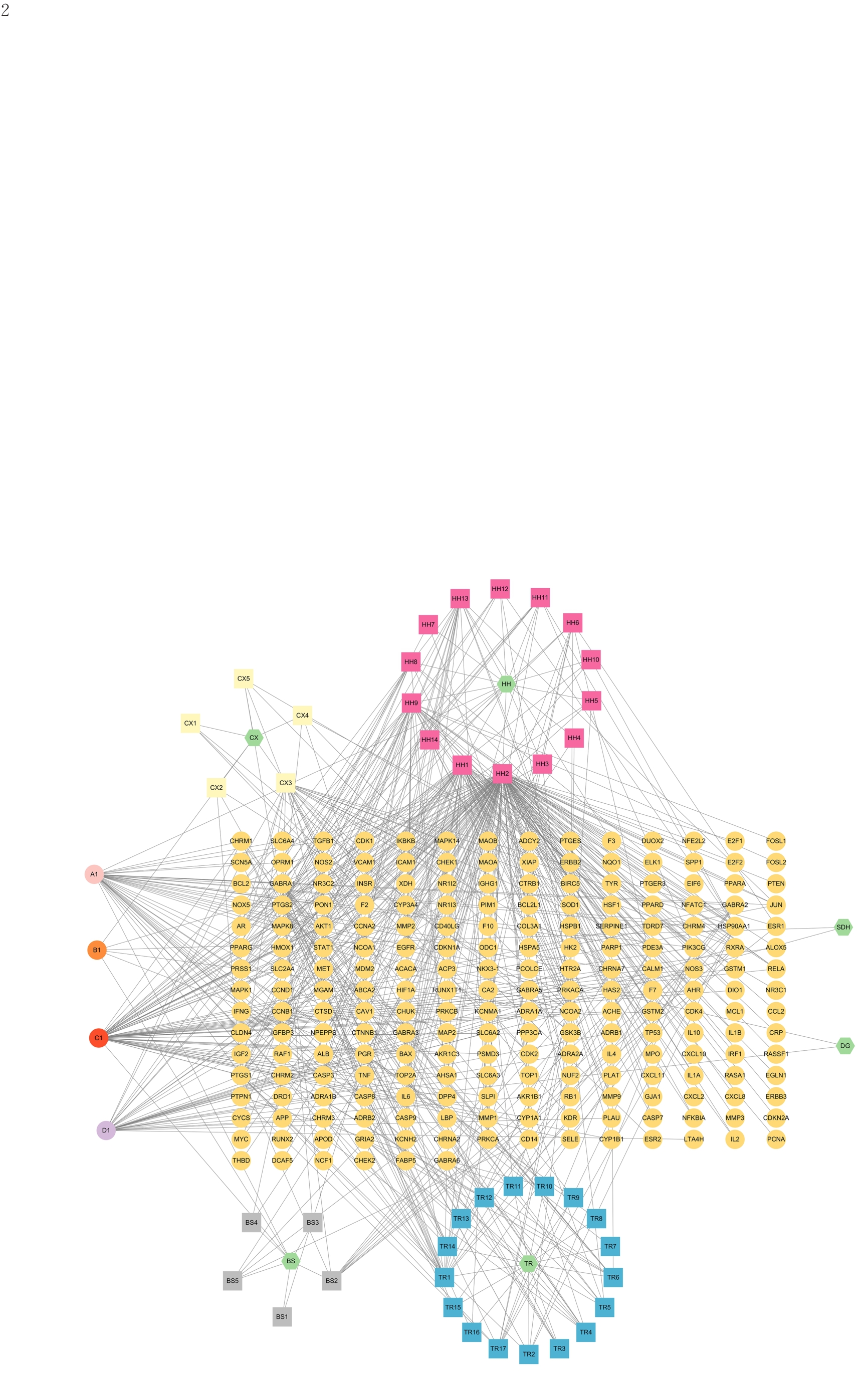
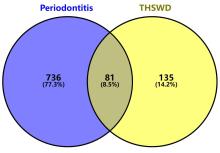
Fig. 2
Overlapping genes of THSWD and periodontitis"
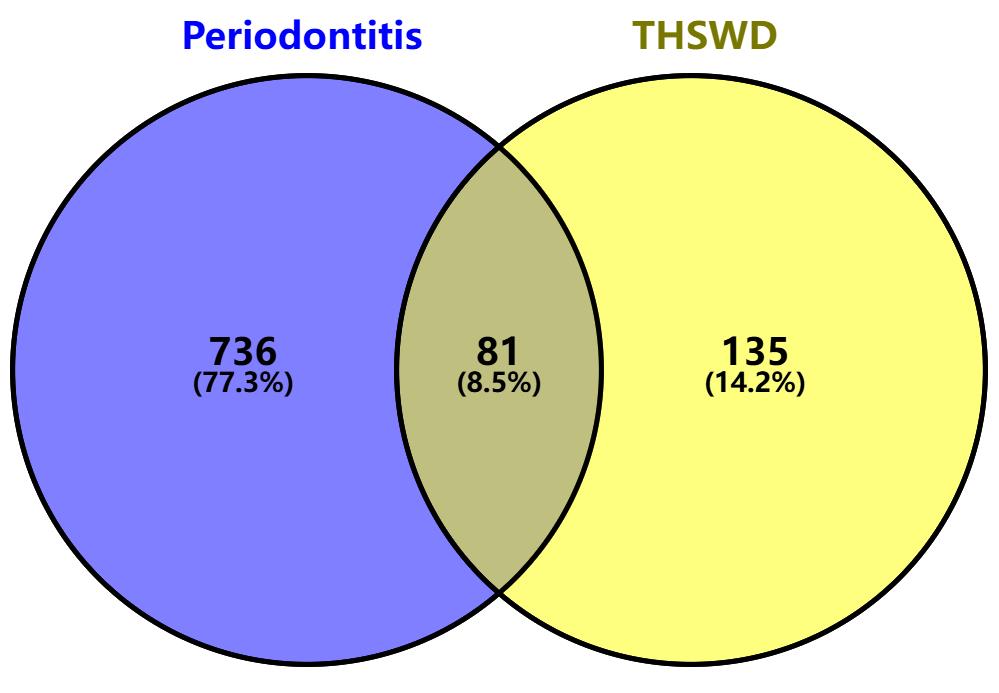
Fig. 3
PPI network of overlapping genes"
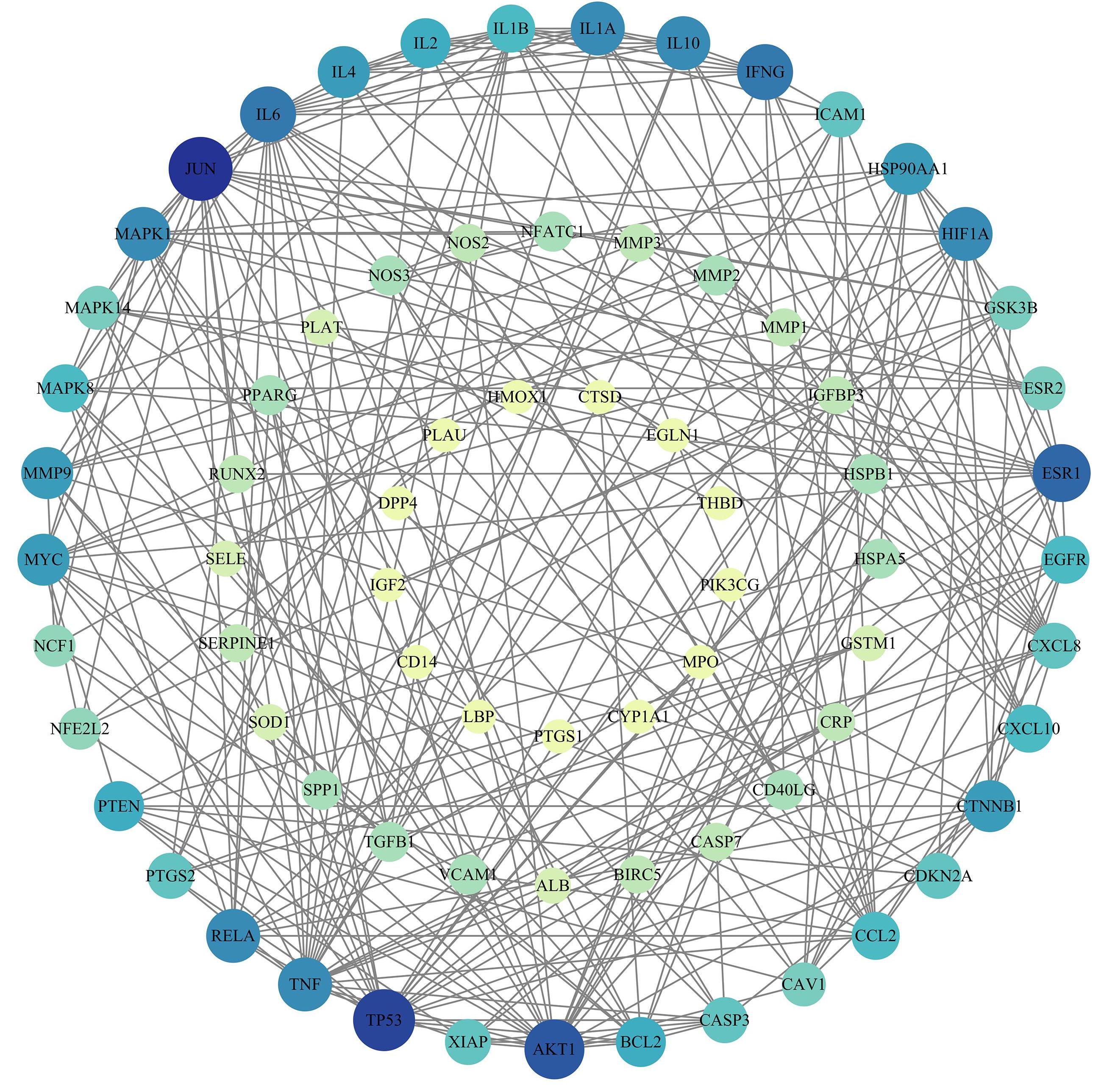
Fig. 4
Vasualization of GO functional enrichment analysis result"
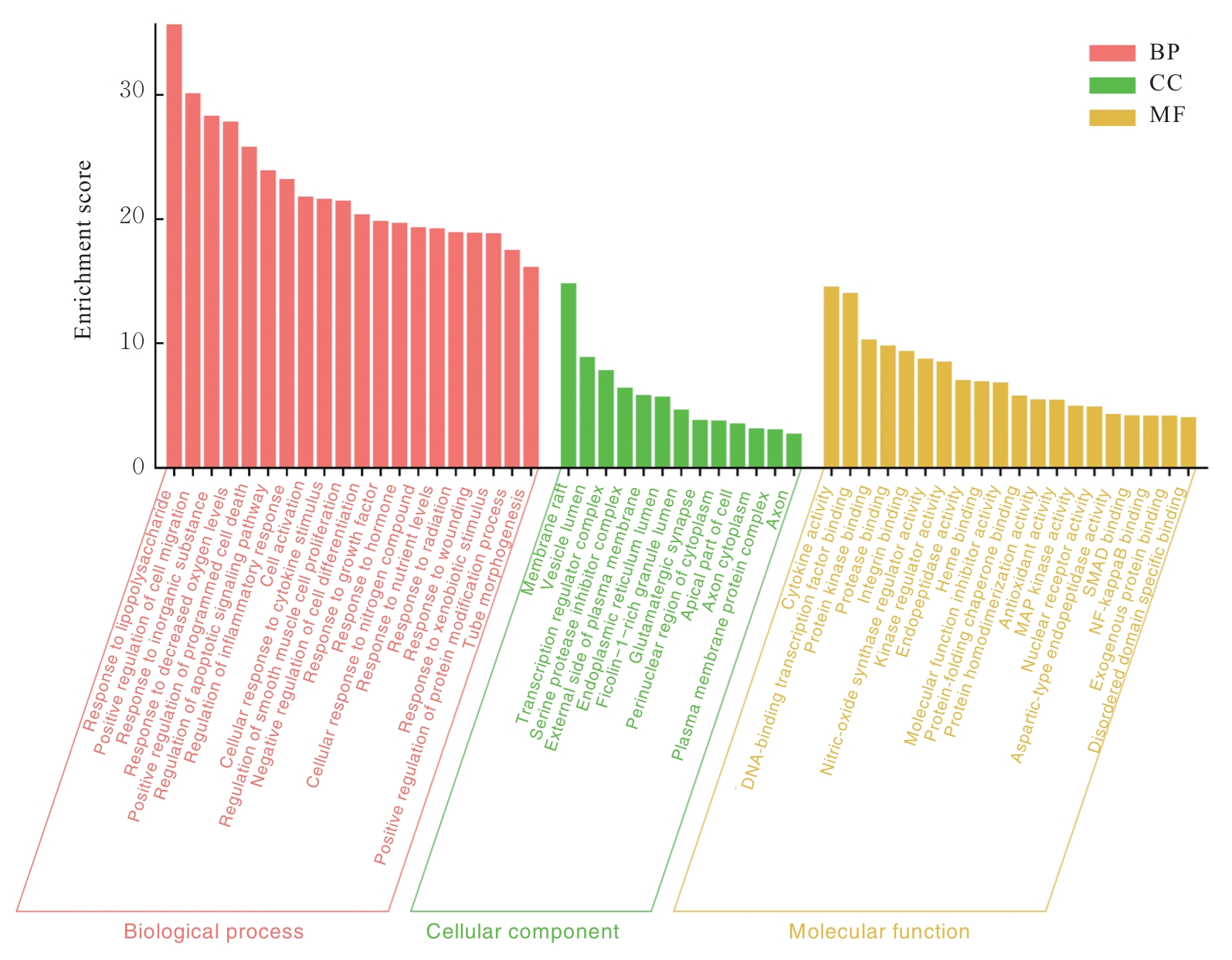
Fig. 5
Vasualization of KEGG signaling pathway enrichment analysis results"
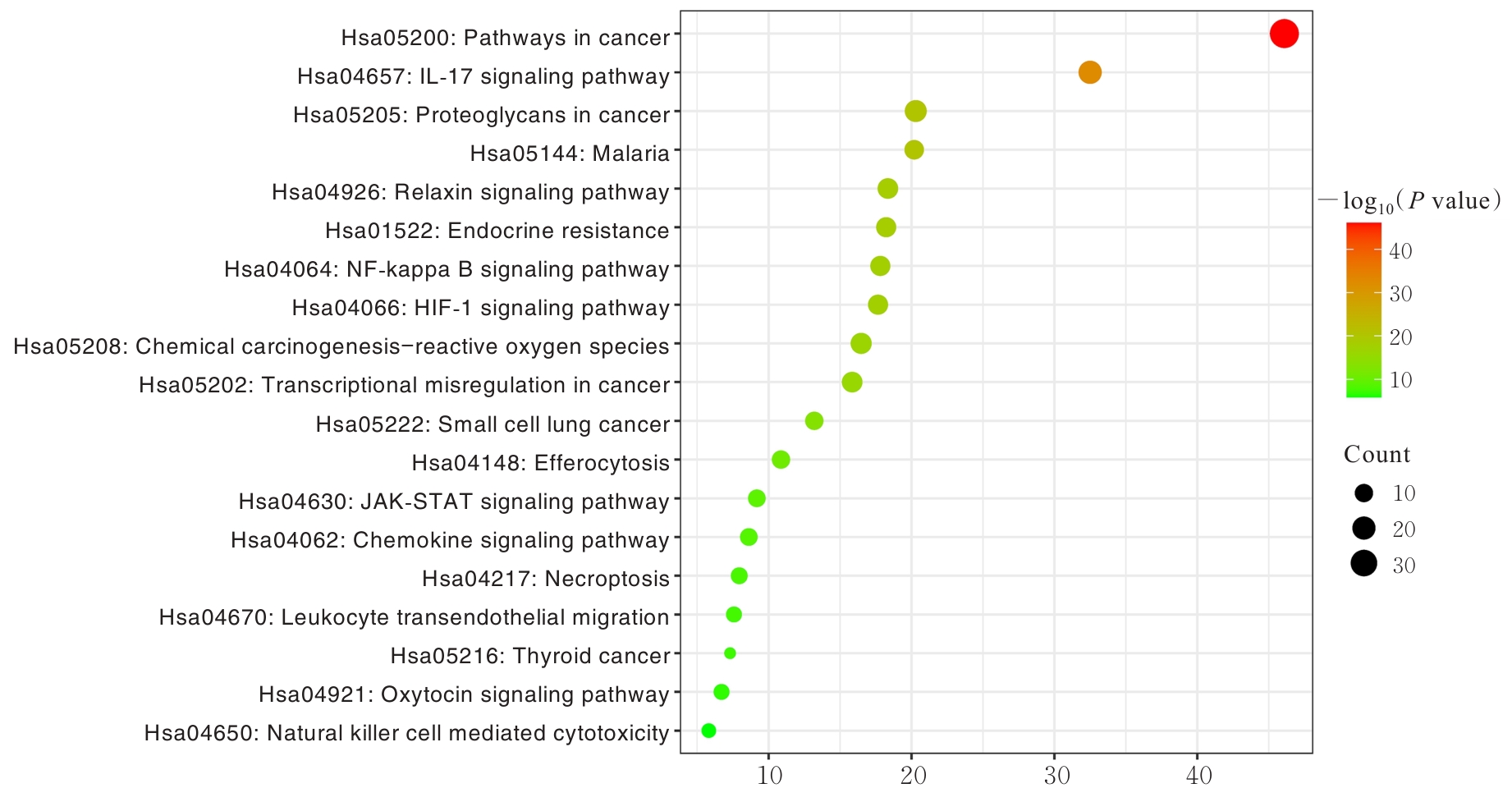
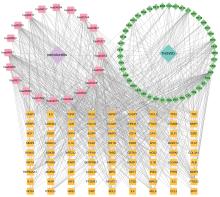
Fig. 6
Drug-disease network"
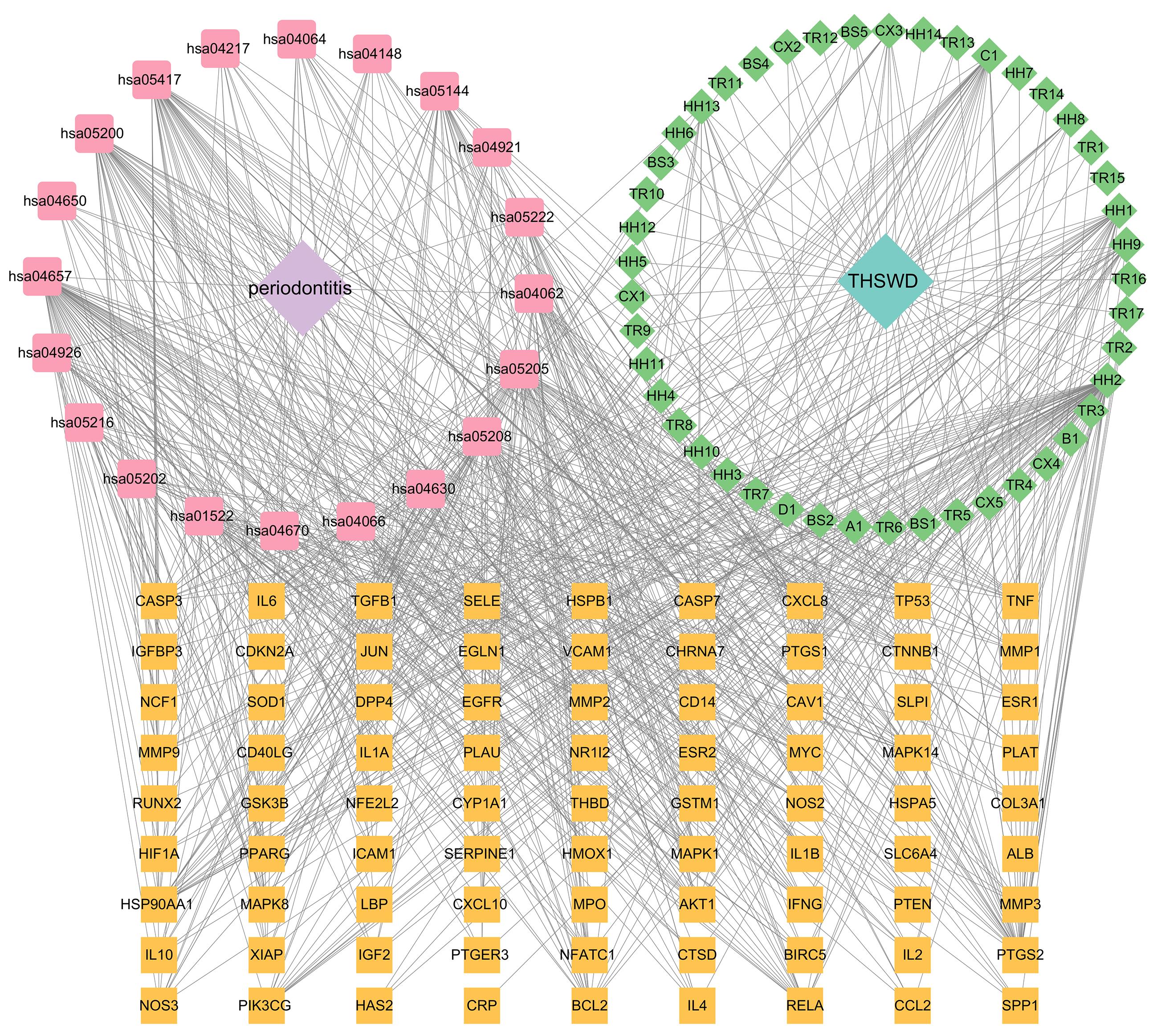
Fig. 7
Interaction diagram of core ingredients and core targets"
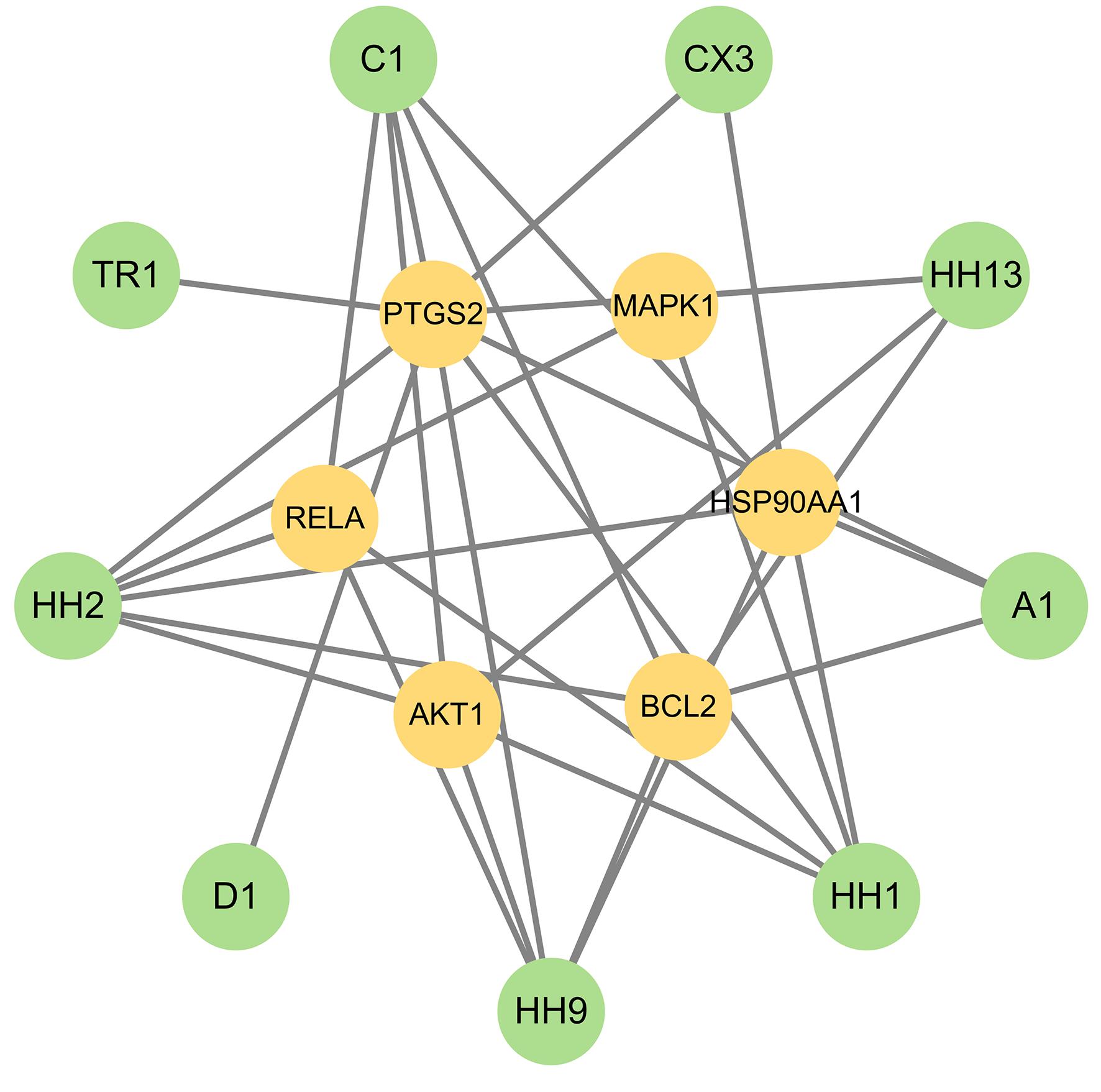
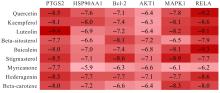
Fig. 8
Heatmap of binding energy of core ingredinents and core targets of THSWD"
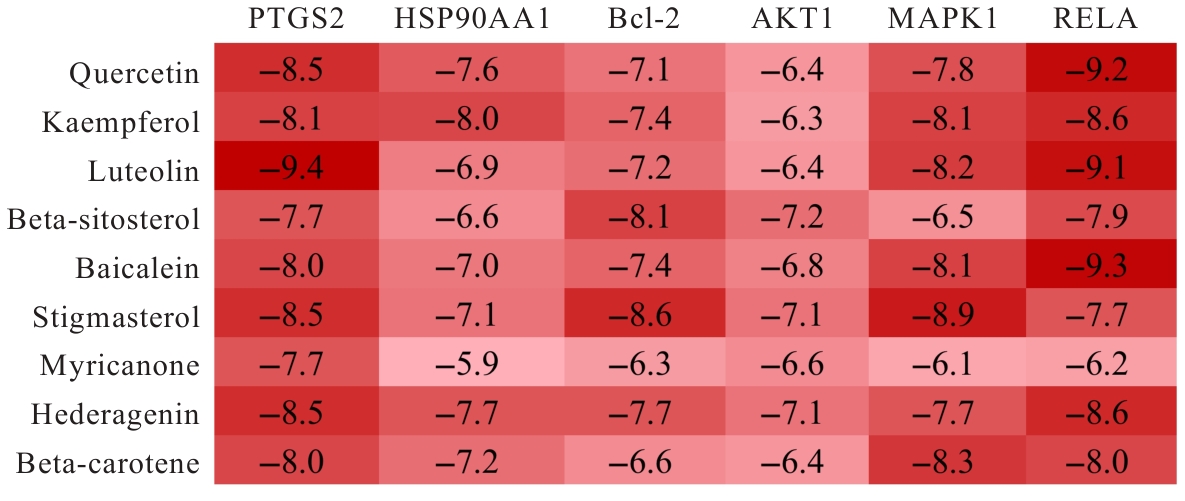
Fig. 9
Visualization of molecular docking results"
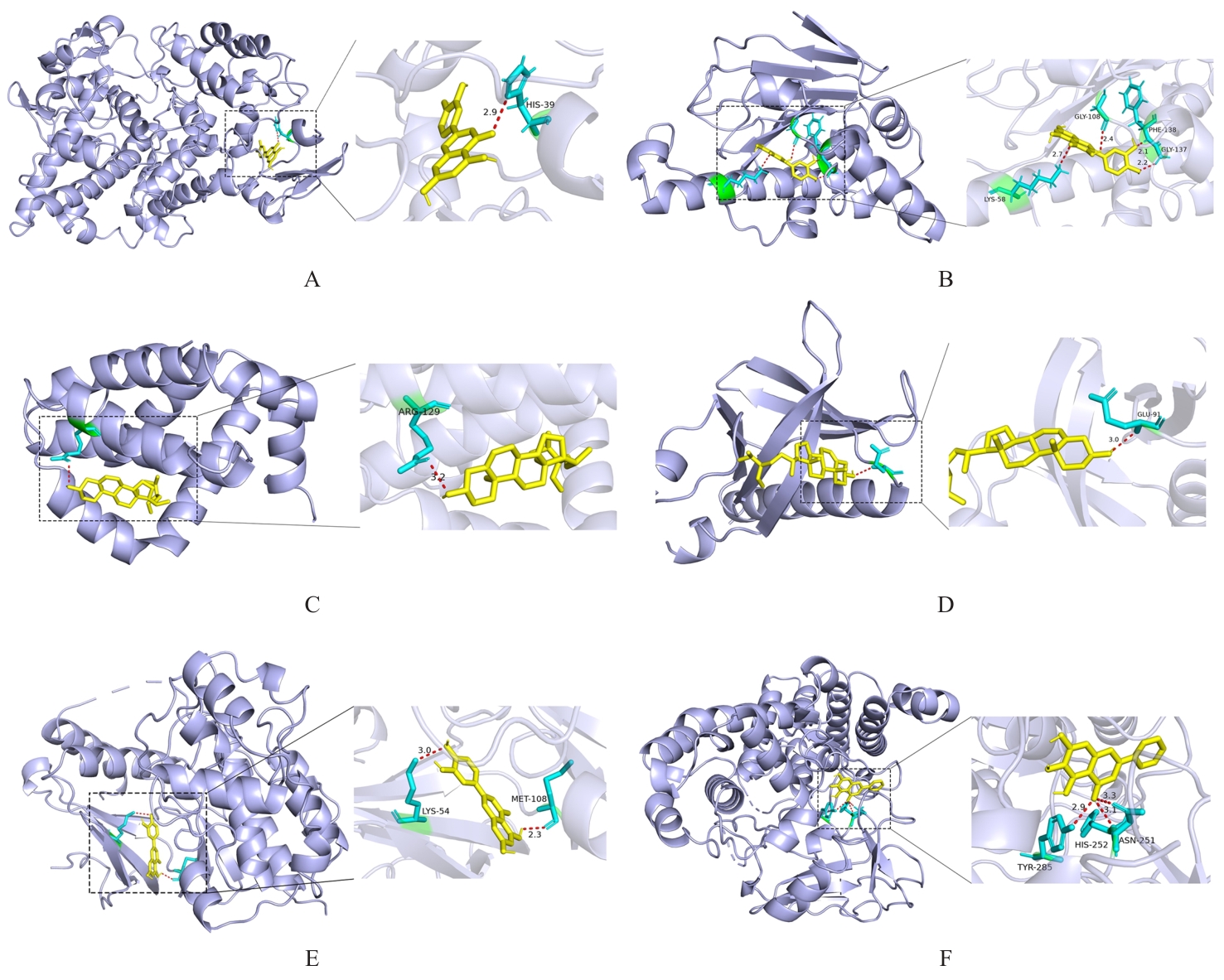
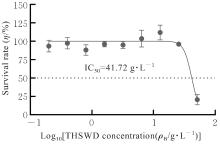
Fig. 10
Surival rates of cells in various groups detected by CCK-8 wethed"
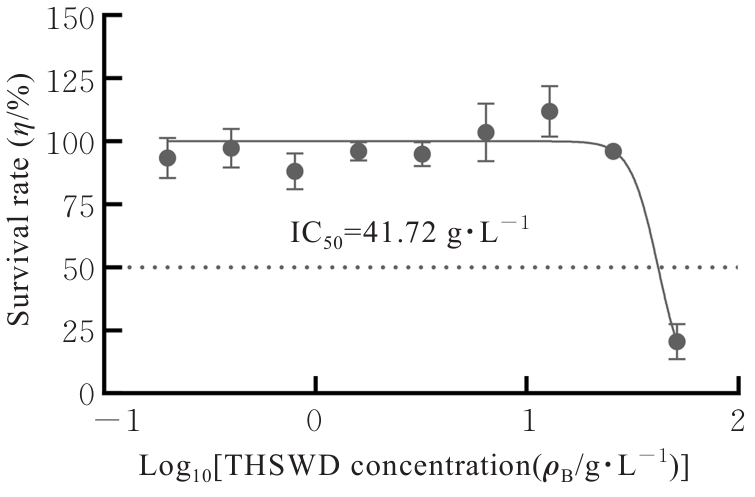
Fig. 11
Expression levels of TNF-α(A),IL-1β(B), IL-6(C) and IL-10(D) mRNA incells in various groups detected RT-qPCR method"
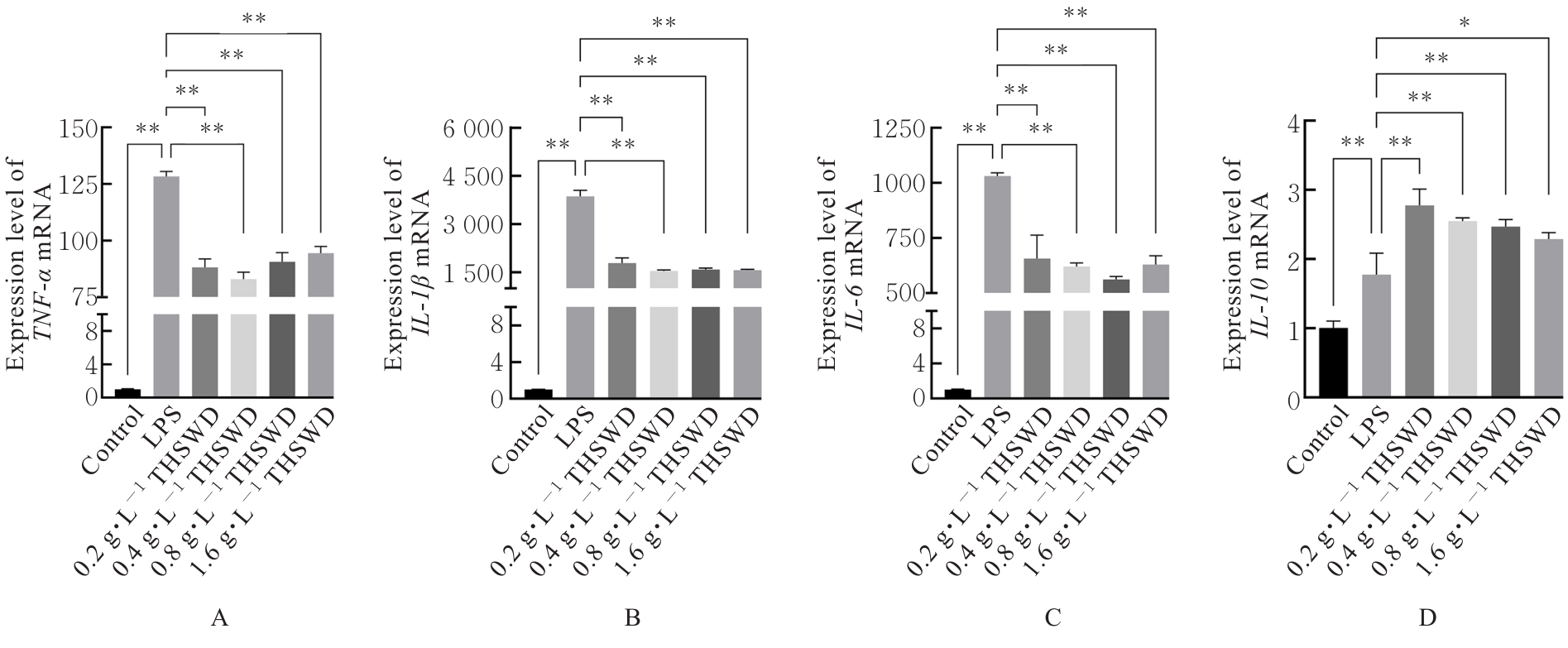
Fig. 12
Levels of ROS in cells in various groups detected by DCFH-DA method"
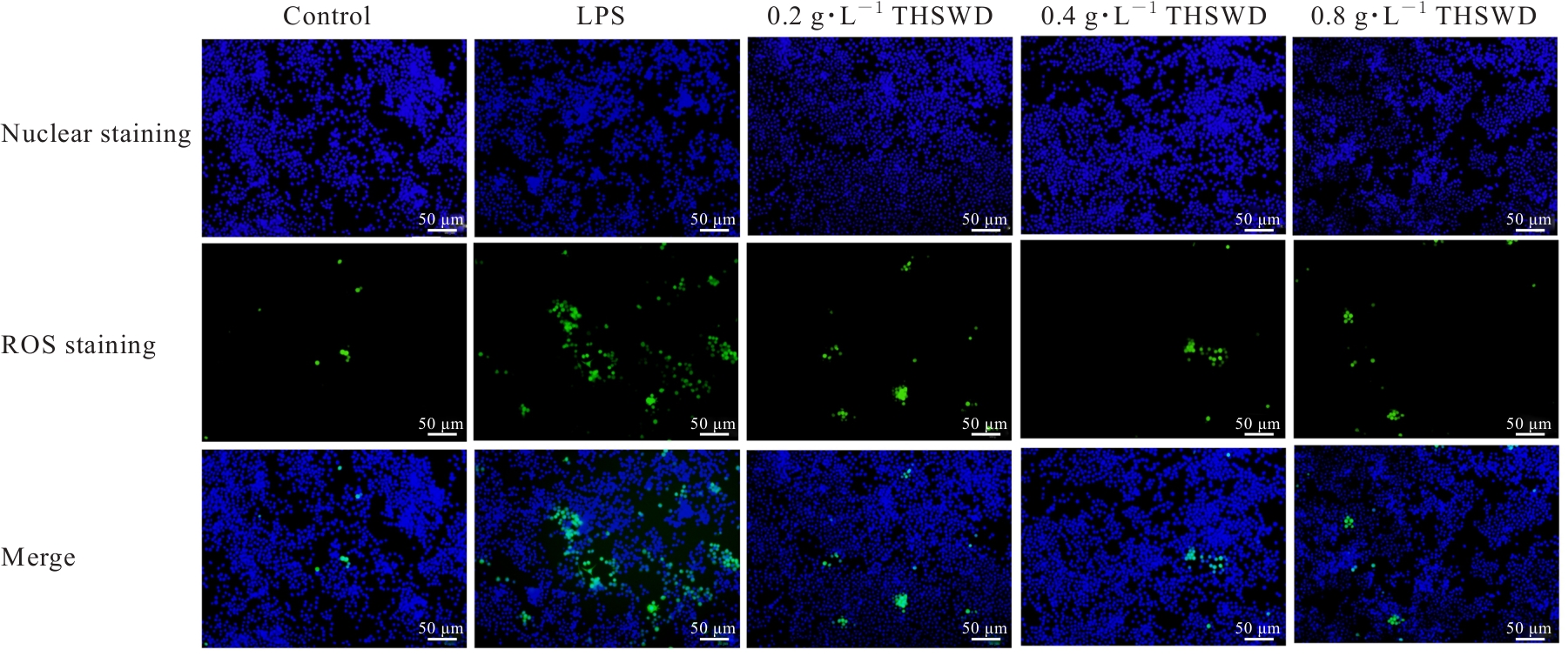
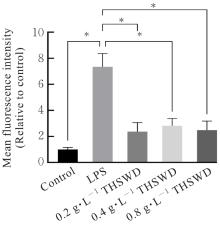
Fig. 13
Levels of ROS in cells in various groups"
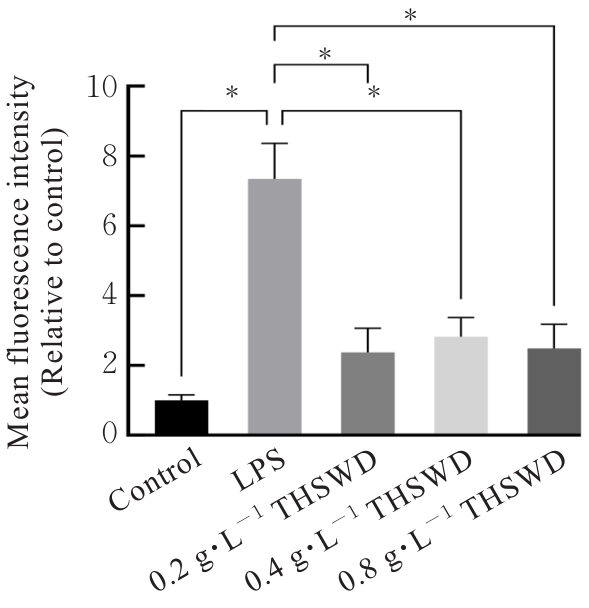
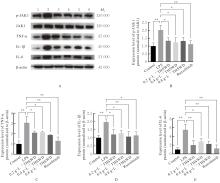
Fig. 14
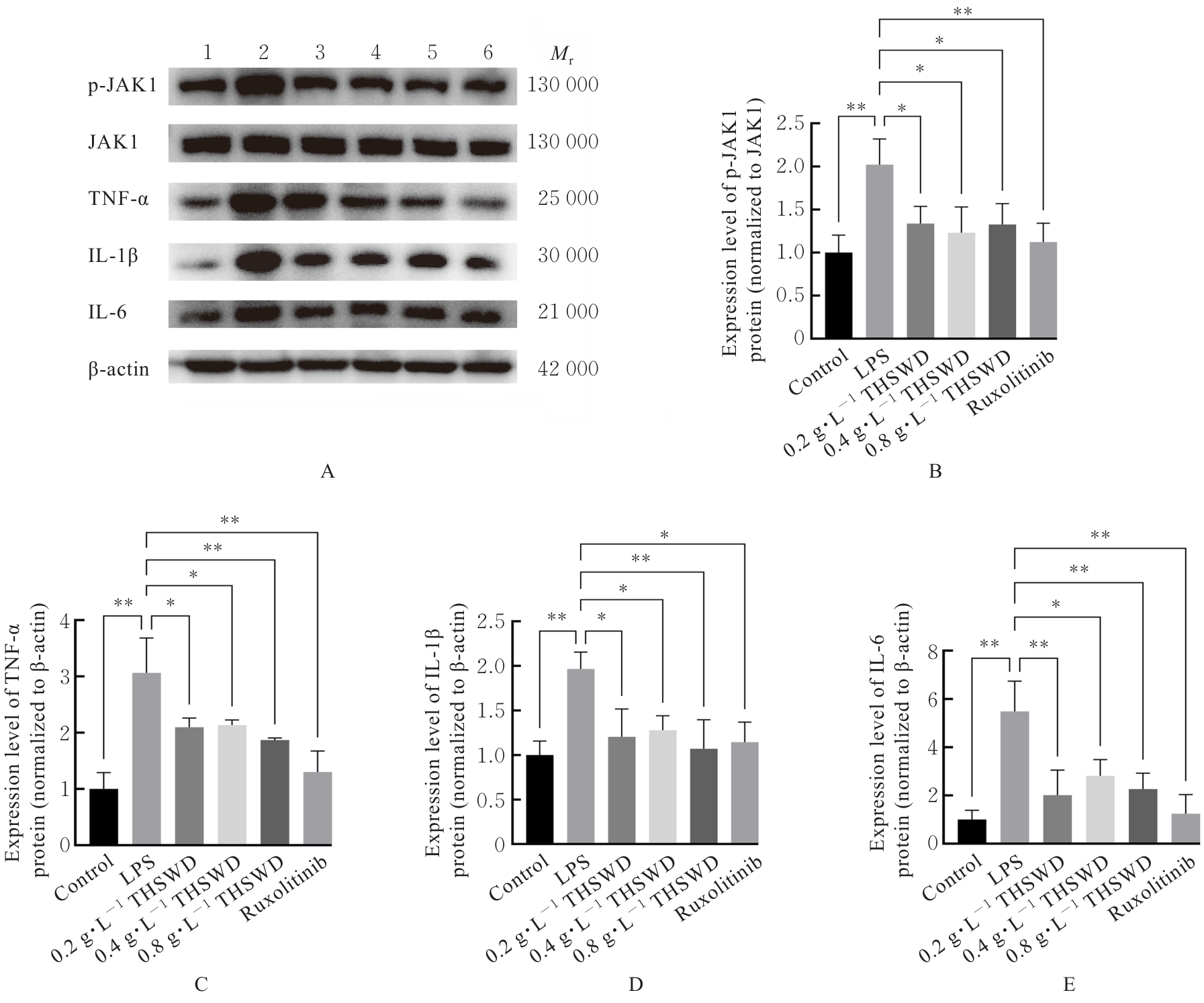
Electrophoregram(A) and histograms(B-E) of expressions of TNF-α, IL-1β, IL-6, JAK1 and p-JAK1 proteins in cells in various groups detected by Western blotting method"
| [1] | RANBHISE J S, JU S, SINGH M K, et al. Chronic inflammation and glycemic control: exploring the bidirectional link between periodontitis and diabetes[J]. Dent J, 2025, 13(3): 100. |
| [2] | BHUYAN R, BHUYAN S K, MOHANTY J N, et al. Periodontitis and its inflammatory changes linked to various systemic diseases: a review of its underlying mechanisms[J]. Biomedicines, 2022, 10(10): 2659. |
| [3] | AL-SHRABE A S, AL-HAJJ W A, AL-HAJRI M M, et al. Clinical and microbiological effects of systemic, local, and combined application of doxycycline in the treatment of periodontitis[J]. Open Dent J, 2025, 19: e18742106388003. |
| [4] | GRAZIANI F, KARAPETSA D, ALONSO B, et al. Nonsurgical and surgical treatment of periodontitis: how many options for one disease?[J]. Periodontol 2000, 2017, 75(1): 152-188. |
| [5] | HAO P P, JIANG F, CHENG J, et al. Traditional Chinese medicine for cardiovascular disease evidence and potential mechanisms[J]. J Am Coll Cardiol, 2017, 69(24): 2952-2966. |
| [6] | XIA Z X, LI Q, TANG Z Y. Network pharmacology, molecular docking, and experimental pharmacology explored Ermiao Wan protected against periodontitis via the PI3K/AKT and NF-κB/MAPK signal pathways[J]. J Ethnopharmacol, 2023, 303: 115900. |
| [7] | SHAN C, WU Z Y, XIA Y N, et al. Network pharmacological study and in vitro studies validation-Molecular dynamics simulation of Cistanche deserticola in promoting periodontitis and bone remodeling[J]. Int Immunopharmacol, 2024, 135: 112299. |
| [8] | LI W, JIAO R F, LUO S Y, et al. Mechanism of action of Coptidis Rhizome in treating periodontitis based on network pharmacology and in vitro validation[J]. BMC Oral Health, 2024, 24(1): 530. |
| [9] | HAN X, ZHANG G Y, PANG M J, et al. Taohong Siwu decoction suppresses oxidative stress-induced myocardial apoptosis post-myocardial infarction by inhibiting PTEN pathway[J]. Phytomedicine, 2024, 135: 155388. |
| [10] | WANG X Z, WANG T, WANG Y Z, et al. Research progress on classical traditional Chinese medicine Taohong Siwu decoction in the treatment of coronary heart disease[J]. Biomedecine Pharmacother, 2022, 152: 113249. |
| [11] | SHI Y Z, WANG S P, DENG D S, et al. Taohong Siwu Decoction: a classical Chinese prescription for treatment of orthopedic diseases[J]. Chin J Nat Med, 2024, 22(8): 711-723. |
| [12] | TIAN K, LU R, JING T. Research progress on the mechanism of action of traditional Chinese medicine extracts in the prevention and treatment of periodontitis[J]. Proc Anticancer Res, 2025, 9(1): 68-81. |
| [13] | JIN W Q, LI L F, AI H P, et al. Efficacy and safety of traditional Chinese medicine based on the method of “nourishing kidney and clearing heat” as adjuvant in the treatment of diabetes mellitus patients with periodontitis: a systematic review and meta-analysis[J]. Evid Based Complement Alternat Med, 2022, 2022: 3853303. |
| [14] | XU X T, SHI Y H, SANG Z, et al. Features and development trends in international standardization of Chinese materia medica in ISO/TC 249[J]. Pharmacol Res, 2021, 167: 105519. |
| [15] | ZHANG P, ZHANG D F, ZHOU W A, et al. Network pharmacology: towards the artificial intelligence-based precision traditional Chinese medicine[J]. Brief Bioinform, 2023, 25(1): bbad518. |
| [16] | PAGGI J M, PANDIT A, DROR R O. The art and science of molecular docking[J]. Annu Rev Biochem, 2024, 93(1): 389-410. |
| [17] | 王浩宇, 王宇琪, 王冰倩, 等. 美沙拉嗪对RAW264.7细胞中促炎因子和过氧化物的抑制作用及其对牙周炎模型大鼠的治疗作用[J]. 吉林大学学报(医学版), 2024, 50(5): 1250-1258. |
| [18] | FACCHIN B M, DOS REIS G O, VIEIRA G N, et al. Inflammatory biomarkers on an LPS-induced RAW 264.7 cell model: a systematic review and meta-analysis[J]. Inflamm Res, 2022, 71(7/8): 741-758. |
| [19] | 郑姗姗, 吴 坚, 张瑞娟, 等. 健脾养正方调控肿瘤相关巨噬细胞外泌体诱导胃癌细胞失巢凋亡的机制研究[J]. 南京中医药大学学报, 2024, 40(9): 906-916. |
| [20] | WU J, YUAN M Y, SHEN J Y, et al. Effect of modified Jianpi Yangzheng on regulating content of PKM2 in gastric cancer cells-derived exosomes[J]. Phytomedicine, 2022, 103: 154229. |
| [21] | ZHENG S S, HUANG H, LI Y Z, et al. Yin-Xing-Tong-Mai decoction attenuates atherosclerosis via activating PPARγ-LXRα-ABCA1/ABCG1 pathway[J]. Pharmacol Res, 2021, 169: 105639. |
| [22] | KIM C H, KWON Y J, JANG Y A. Anti-inflammatory effects of Chamaecyparis obtusa (siebold & zucc.) endl. leaf extract fermented by Ganoderma applanatum mycelia[J]. Pharmaceutics, 2024, 16(3): 365. |
| [23] | CHEN Y B, DU S Y, GUO Y J, et al. Mechanism of Salvia miltiorrhiza in the treatment of periodontitis: integrative analyses via network pharmacology, molecular dynamics, and cellular assays[J]. BMC Complement Med Ther, 2025, 25(1): 291. |
| [24] | GENG H, XUE Y J, YAN B H, et al. Network pharmacology and molecular docking study on the mechanism of the therapeutic effect of strychni semen in NSCLC[J]. Biol Proced Online, 2024, 26(1): 33. |
| [25] | JANAKIRAM C, DYE B A. A public health approach for prevention of periodontal disease[J]. Periodontol 2000, 2020, 84(1): 202-214. |
| [26] | TELES F, COLLMAN R G, MOMINKHAN D, et al. Viruses, periodontitis, and comorbidities[J]. Periodontol 2000, 2022, 89(1): 190-206. |
| [27] | LUCHIAN I, GORIUC A, MARTU M A, et al. Clindamycin as an alternative option in optimizing periodontal therapy[J]. Antibiotics (Basel), 2021, 10(7): 814. |
| [28] | CHEN S Y, ZENG J S, LI R, et al. Traditional Chinese medicine in regulating macrophage polarization in immune response of inflammatory diseases[J]. J Ethnopharmacol, 2024, 325: 117838. |
| [29] | 王佐梅, 肖洪彬, 李雪莹, 等. 桃红四物汤的药理作用研究进展[J]. 现代中医药, 2021, 41(2): 22-28. |
| [30] | WEI Y, FU J Y, WU W J, et al. Quercetin prevents oxidative stress-induced injury of periodontal ligament cells and alveolar bone loss in periodontitis[J]. Drug Des Devel Ther, 2021, 15: 3509-3522. |
| [31] | NIE F J, ZHANG W J, CUI Q, et al. Kaempferol promotes proliferation and osteogenic differentiation of periodontal ligament stem cells via Wnt/β-catenin signaling pathway[J]. Life Sci, 2020, 258: 118143. |
| [32] | KARIU T, HAMADA N, LAKSHMYYA K. Luteolin inhibits Porphyromonas gingivalis growth and alleviates alveolar bone destruction in experimental murine periodontitis[J]. Biosci Biotechnol Biochem, 2023, 88(1): 37-43. |
| [33] | MORTON R S, DONGARI-BAGTZOGLOU A I. Cyclooxygenase-2 is upregulated in inflamed gingival tissues[J]. J Periodontol, 2001, 72(4): 461-469. |
| [34] | 毛 轲, 高誉华, 周松林, 等. miR-138-5p对慢性压迫性损伤大鼠神经病理性疼痛的作用及可能机制[J]. 郑州大学学报(医学版), 2026, 61(1): 60-66. |
| [35] | CHEN Z L, LANG G P, XU X, et al. The role of NF-kappaB in the inflammatory processes related to dental caries, pulpitis, apical periodontitis, and periodontitis-a narrative review[J]. PeerJ, 2024, 12: e17953. |
| [36] | DÁŇOVÁ K, KLAPETKOVÁ A, KAYSEROVÁ J, et al. NF-κB, p38 MAPK, ERK1/2, mTOR, STAT3 and increased glycolysis regulate stability of paricalcitol/dexamethasone-generated tolerogenic dendritic cells in the inflammatory environment[J]. Oncotarget, 2015, 6(16): 14123-14138. |
| [37] | 张彦表, 魏美荣, 赵雪娟, 等. 血清炎症标志物在牙周炎与血浆磷酸化tau217间的中介效应分析[J]. 解放军医学杂志, 2026, 51(3): 381-391. |
| [38] | LUO S Y, XU T, ZHENG Q F, et al. Mitochondria: an emerging unavoidable link in the pathogenesis of periodontitis caused by Porphyromonas gingivalis [J]. Int J Mol Sci, 2024, 25(2): 737. |
| [39] | ZHANG H, HUANG J, FAN X S, et al. HSP90AA1 promotes the inflammation in human gingival fibroblasts induced by Porphyromonas gingivalis lipopolysaccharide via regulating of autophagy[J]. BMC Oral Health, 2022, 22(1): 366. |
| [40] | PARVEEN S, FATMA M, MIR S S, et al. JAK-STAT signaling in autoimmunity and cancer[J]. Immunotargets Ther, 2025, 14: 523-554. |
| [41] | GODOI M A, CAMILLI A C, GONZALES K G A, et al. JAK/STAT as a potential therapeutic target for osteolytic diseases[J]. Int J Mol Sci, 2023, 24(12): 10290. |
| [42] | 胡 新, 魏晓晶, 张宇卉, 等. SCARI1在JAK2~(V617F)突变骨髓增殖性肿瘤疾病进展中的作用研究[J]. 中国实用内科杂志, 2025, 45(4): 300-307. |
| [43] | ROSKOSKI R Jr. Janus kinase (JAK) inhibitors in the treatment of neoplastic and inflammatory disorders[J]. Pharmacol Res, 2022, 183: 106362. |
| [44] | MING P Y, LIU Y F, YU P Y, et al. A biomimetic Se-nHA/PC composite microsphere with synergistic immunomodulatory and osteogenic ability to activate bone regeneration in periodontitis[J]. Small, 2024, 20(9): 2305490. |
| [45] | NAKAJIMA M, KAPATE N, CLEGG J R, et al. Backpack-carrying macrophage immunotherapy for periodontitis[J]. J Control Release, 2025, 377: 315-323. |
| [46] | 于依岩, 张志民, 陈佳文, 等. 巨噬细胞极化与口腔疾病关系的研究进展[J]. 吉林大学学报(医学版), 2024, 50(3): 864-871. |
| [47] | CHEN J H, LUO A H, XU M M, et al. The application of phenylboronic acid pinacol ester functionalized ROS-responsive multifunctional nanoparticles in the treatment of Periodontitis[J]. J Nanobiotechnology, 2024, 22(1): 181. |
| [48] | HOU X Y, WANG C, CHEN C, et al. Galangin protects against acute pancreatitis by inhibiting ROS-induced acinar cell apoptosis and M1-type macrophage polarization[J]. Biochim Biophys Acta Mol Basis Dis, 2025, 1871(6): 167887. |
| [1] | Jiaqi SHEN,Qi GE,Xiu YAO,Changhai LEI. Inhibitory effect of SIRT3 on osteoclast differentiation and macrophage activation in periodontitis model of mice and its mechanism [J]. Journal of Jilin University(Medicine Edition), 2026, 52(3): 581-589. |
| [2] | Meng CAI,Yang GUO,Yingfang MA,Jinglei CUI,Jia LUO,Lili WEI,Yunhua ZHANG,Yang WANG. Therapeutic effect of prunetin on myocardial infarction model mice and its mechanism [J]. Journal of Jilin University(Medicine Edition), 2026, 52(1): 125-134. |
| [3] | Huaimin LIANG,Jiacheng JIN,Wenhua CHEN,Yuyao LI,Hangyu WANG,Ke ZHANG,Jinhui WANG. UPLC-Q-TOF/MS and network pharmacology analysis and experimental verification based on potential active ingredients and mechanisms of medicinal Mulberry Leaves in anti-acute kidney injury [J]. Journal of Jilin University(Medicine Edition), 2026, 52(1): 56-69. |
| [4] | Qiuyue WANG,Zhengning YANG,Xiaofeng HUANG,Minghan HUANG,Wenrong WANG. Network pharmacology and molecular docking analysis based on mechanism of Compound Gastritis Mixture in treatment of chronic atrophic gastritis [J]. Journal of Jilin University(Medicine Edition), 2025, 51(3): 691-702. |
| [5] | Haoyu WANG,Yuqi WANG,Bingqian WANG,Jinhan NIE,Jiaqing YAN,Min HU. Inhibitory effect of mesalazine on pro-inflammatory factors and peroxides in RAW264.7 cells and its therapeutic effect on periodontitis model rats [J]. Journal of Jilin University(Medicine Edition), 2024, 50(5): 1250-1258. |
| [6] | Yi XIE,Yang LIU,Hongyan LI,Xiaowei XU. Research progress in effect of histone acetylation modifications on occurrence and development of periodontitis [J]. Journal of Jilin University(Medicine Edition), 2024, 50(5): 1457-1464. |
| [7] | Xinchen ZHOU,Shuhan DONG,Zhuo ZHANG,Mingmei SHEN,Xiangjun WANG,Ying LI,Limei LIU. Network pharmacology analysis based on potential mechanism of dandelion-mulberry leaf in treatment of acute myeloid leukemia [J]. Journal of Jilin University(Medicine Edition), 2024, 50(4): 1087-1097. |
| [8] | Shan CAO,Yijia ZHANG,Yang BAI,Fang CHEN,Sha XIE,Qianqian HAN. Network pharmacological analysis and in vitro experimental verification based on anti-atherosclerosis mechanism of Xiaoban Tongmai Formula [J]. Journal of Jilin University(Medicine Edition), 2024, 50(4): 925-938. |
| [9] | Yiyan YU,Zhimin ZHANG,Jiawen CHEN,Xin LIU,Yan LI,Hongyan ZHAO. Research progress in relationship between macrophage polarization and oral diseases [J]. Journal of Jilin University(Medicine Edition), 2024, 50(3): 864-871. |
| [10] | Zijia ZHU,Xia CHEN,Man CUI,Jihong WEN,Ping WANG,Dong SONG. Bioinformatics and molecular docking technology analysis on mechanism of salidroside on key differential genes of triple negative breast cancer [J]. Journal of Jilin University(Medicine Edition), 2024, 50(3): 759-769. |
| [11] | Kewen JIA,Yuemeng ZHU,Siyu CHEN,Minghui LI,Jiaqian YOU,Sheng CHEN,Yanmin ZHOU. Application of autologous platelet-rich fibrin in immediate implant placement of molar with periapical periodontitis: A case report and literature review [J]. Journal of Jilin University(Medicine Edition), 2024, 50(2): 536-544. |
| [12] | Cong JIANG,Wenzhou XU,Hongyan LI,Yue SUN,Lan A. Clinical efficacy of PDCA cycle management model cycle management combined with pulsed tooth punch applied in maintenance period of patients with moderate to severe periodontitis [J]. Journal of Jilin University(Medicine Edition), 2024, 50(1): 221-227. |
| [13] | Yang YU,Dan TIAN,Donghe NI,Duo ZHANG. Network pharmacologry and molecular docking analysis based on mechanism of monk fruit in treatment of diabetic nephropathy [J]. Journal of Jilin University(Medicine Edition), 2024, 50(1): 161-167. |
| [14] | Li LIU,Linsheng HUANG,Yongheng ZHAO,Wenjie CAO,Yongshuai QIAN,Huifan YU,Fei LI. Network pharmacological analysis on Balanophora involucrataHook.f. in treatment of hyperuricemia and its therapeutic effect on hyperuricemia cell model and hyperuricemia model mouse [J]. Journal of Jilin University(Medicine Edition), 2024, 50(1): 58-70. |
| [15] | Aiying CHEN,Jinwen JIANG,Hui ZHANG. Network pharmacology and molecular docking analysis based on mechanism of Huangqin Tang in treatment of colorectal cancer [J]. Journal of Jilin University(Medicine Edition), 2024, 50(1): 208-220. |
|
||