吉林大学学报(工学版) ›› 2025, Vol. 55 ›› Issue (12): 3964-3975.doi: 10.13229/j.cnki.jdxbgxb.20241186
• 交通运输工程·土木工程 • 上一篇
疏水降溶性磷石膏填充沥青路面的水稳特性
郭威1( ),顾凯鹏2,王思莹1,任东亚3,李学友4,田伟2()
- 1.中国矿业大学 矿业工程学院,江苏 徐州 221116
2.吉林建筑大学 交通科学与工程学院,长春 130119
3.西南交通大学 土木工程学院,成都 610031
4.中铁二局第四工程有限公司,成都 610306
Moisture stability of hydrophobicity⁃desolubilization phosphogypsum filled asphalt pavement
Wei GUO1(),Kai-peng GU2,Si-ying WANG1,Dong-ya REN3,Xue-you LI4,Wei TIAN2()
- 1.School of Mining Engineering,China University of Mining and Technology,Xuzhou 221116,China
2.School of Traffic Science & Engineering,Jilin Jianzhu University,Changchun 130119,China
3.School of Civil Engineering,Southwest Jiaotong University,Chengdu 610031,China
4.China Railway ERJU 4th Engineering Co. ,Ltd,Chendu 610306,China
摘要:
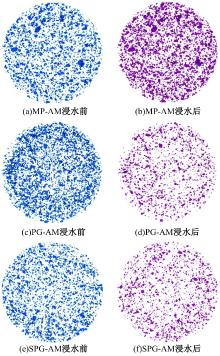
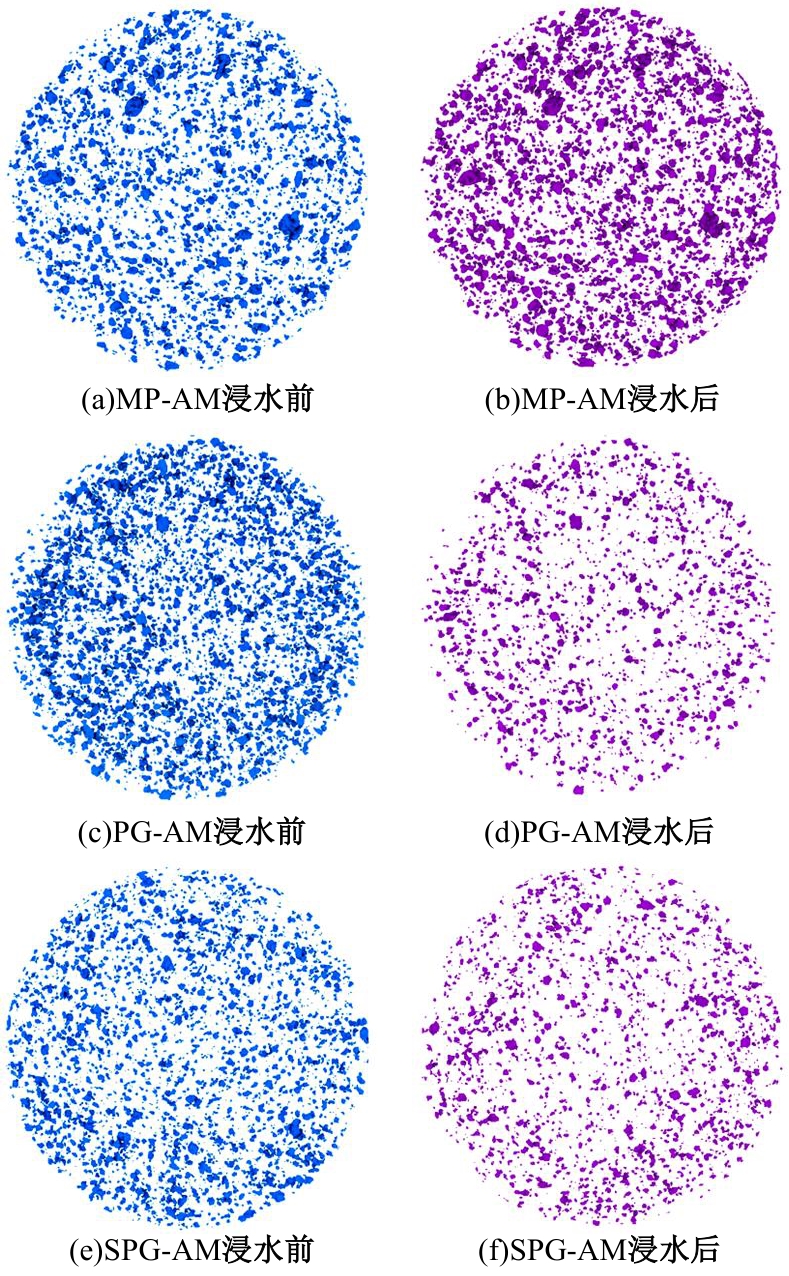
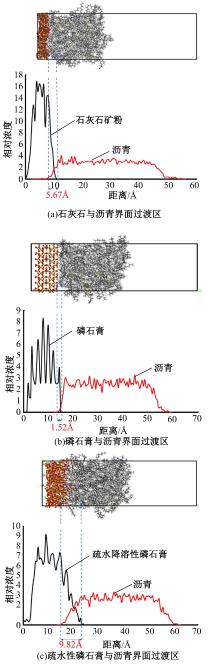
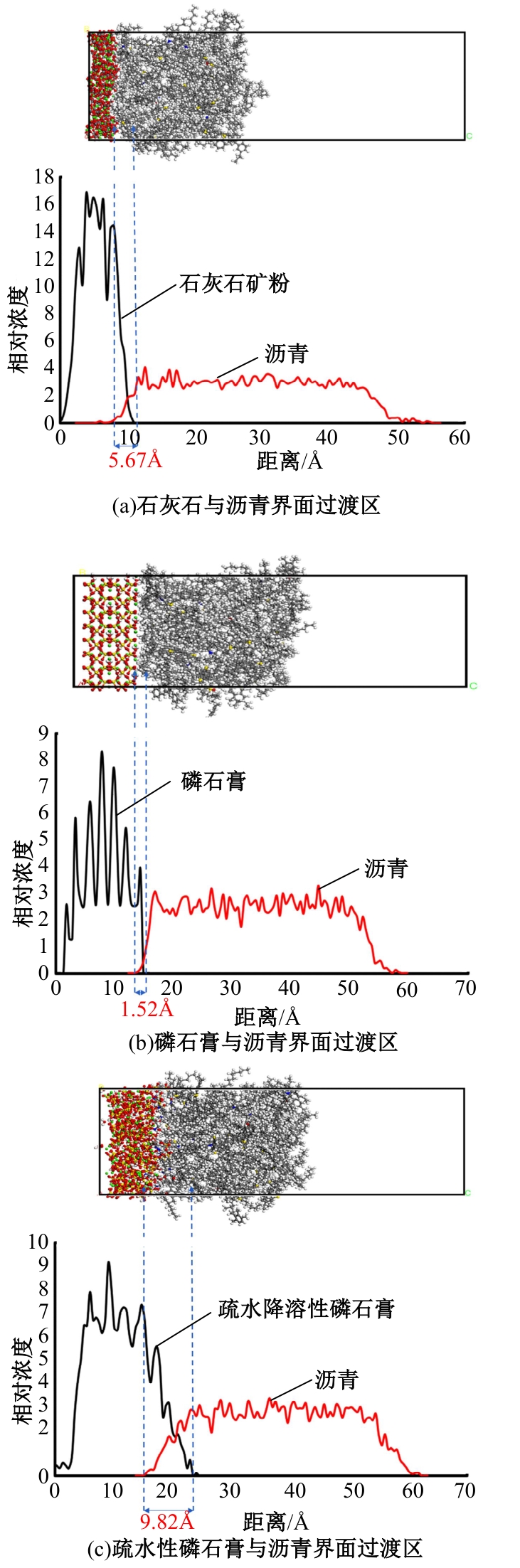
针对磷石膏填充沥青路面遇水后的溶融软化现象,提出了一种路用磷石膏的疏水降溶处置方法,并对其填充沥青路面的水稳特性和疏水降溶机理进行了研究。结果表明,未改性磷石膏沥青路面浸水残留稳定度以及冻融劈裂强度比均不满足路用水稳要求,其浸水600 h后,磷石膏填料颗粒数量减少了52.60%。经疏水降溶改性处理后,磷石膏的表面极性分量降低了72.46%,与沥青的黏附功提高了11.15%,界面过渡区厚度提高了546%。其作用机理在于,硅烷偶联剂可在磷石膏表面发生脱水缩合反应,接枝形成硅醇基团覆膜,通过覆膜改变磷石膏的表面亲水特性,有效阻止水分的入侵以及水分对沥青膜的置换,进而提高水稳性能。本文研究成果可为拓展磷石膏的路用场景提供理论指导。
中图分类号:
- U414

| [1] | 丁建文, 张帅, 洪振舜, 等. 水泥-磷石膏双掺固化处理高含水率疏浚淤泥试验研究[J]. 岩土力学, 2010, 31(9): 2817-2822. |
| Ding Jian-wen, Zhang Shuai, Hong Zhen-shun, et al. Experimental study of solidification of dredged clays with high water content by adding cement and phosphogypsum synchronously[J]. Rock and Soil Mechanics, 2010, 31(9): 2817-2822. | |
| [2] | 崔荣政, 白海丹, 高永峰, 等. 磷石膏综合利用现状及“十四五”发展趋势[J]. 无机盐工业, 2022, 54(4): 1-4. |
| Cui Rong-zheng, Bai Hai-dan, Gao Yong-feng, et al. Current situation of comprehensive utilization of phosphogypsum and its development trend of 14th Five-Year Plan[J]. Inorganic Chemicals Industry, 2022, 54(4): 1-4. | |
| [3] | 夏举佩. 磷石膏用作建筑材料的瓶颈与关键技术[J]. 磷肥与复肥, 2020, 35(11): 1. |
| Xia Ju-pei. Bottleneck and key technology of phosphogypsum as building material[J]. Eco-industry Science & Phosphorus Fluorine Engineering, 2020, 35(11): 1. | |
| [4] | 江君德, 杨艳, 胡黔, 等. 磷石膏的转晶机制研究进展[J]. 生态产业科学与磷氟工程, 2024, 39(9): 60-65. |
| Jiang Jun-de, Yang Yan, Hu Qian, et al. Research progress on crystal transformation mechanism of phosphogypsum[J]. Eco-industry Science & Phosphorus Fluorine Engineering, 2024, 39(9): 60-65. | |
| [5] | EI-Didamony H, Gado H S, Awwad N S, et al. Treatment of phosphogypsum waste produced from phosphate ore processing[J]. Journal of Hazardous Materials, 2013, 244-245: 596-602. |
| [6] | 陈攀, 李梦迪, 胡磊, 等. 磷石膏资源化利用的现状、 方法、 趋势和挑战[J]. 广东化工, 2024, 51(14): 68-70. |
| Chen Pan, Li Meng-di. Hu Lei,et al. The current situation, methods, trends, and challenges of resource utilization of phosphogypsum[J]. Guangdong Chemical Industry, 2024, 51(14): 68-70. | |
| [7] | 张利珍, 张永兴, 张秀峰, 等. 中国磷石膏资源化综合利用研究进展[J]. 矿产保护与利用, 2019, 39(4): 14-18, 92. |
| Zhang Li-zhen, Zhang Yong-xing, Zhang Xiu-feng, et al. Research progress on resource utilization of phosphogypsum in china[J]. Conservation and Utilization of Mineral Resources, 2019, 39(4): 14-18, 92. | |
| [8] | Liu D S, Wang C Q, Mei X D, et al. An effective treatment method for phosphogypsum[J]. Environmental Science and Pollution Research, 2019, 26(29): 30533-30539. |
| [9] | Tovazhnyansky L L, Meshalkin V P, Kapustenko P O, et al. Energy efficiency of complex technologies of phosphogypsum conversion[J]. Theoretical Foundations of Chemical Engineering, 2013, 47(3): 225-230. |
| [10] | 张峻, 解维闵, 董雄波, 等. 磷石膏材料化综合利用研究进展[J]. 材料导报, 2023, 37(16): 163-174. |
| Zhang Jun, Xie Wei-min, Dong Xiong-bo, et al. Research progress on comprehensive utilization of phosphogypsum materials[J]. Materials Reports, 2023, 37(16): 163-174. | |
| [11] | Reijnders L. Cleaner phosphogypsum, coal combustion ashes and waste incineration ashes for application in building materials: a review[J]. Building and Environment, 2007, 42(2): 1036-1042. |
| [12] | 黄赟. 磷石膏基水泥的开发研究[D]. 武汉: 武汉理工大学材料科学与工程学院, 2010. |
| Huang Yun. Research and development of phosphogypsum based cement[D]. Wuhan: School of Materials Science and Engineering of Wuhan University of Technology, 2010. | |
| [13] | Wu J H, Xu T, Chu H Q, et al. Study on synergistic effect of xanthan gum and sodium methylsiliconate on mechanical strength and water stability of phosphogypsum road-based materials[J]. Materials, 2023, 16(20): No.6766. |
| [14] | 陈涛, 陈德玉, 米阳, 等. 用磷建筑石膏制备抹面砂浆试验研究[J]. 混凝土与水泥制品, 2018,(4): 77-80. |
| Chen Tao, Chen De-yu, Mi Yang, et al. Experimental research on decorative mortar prepared by calcined gypsum from phosphogypsum[J]. China Concrete and Cement Products, 2018, (4): 77-80. | |
| [15] | 李俊鹏, 谭维. 磷石膏在公路路基中的应用研究[J]. 低碳世界, 2018, (11): 227-228. |
| Li Jun-peng, Tan Wei. Research on the application of phosphogypsum in highway roadbed[J]. Low Carbon World, 2018, (11): 227-228. | |
| [16] | 张厚记, 宗炜, 郑武西, 等. 工业固废磷石膏复合稳定基层材料研究[J]. 武汉理工大学学报, 2021, 43(12): 7-12. |
| Zhang Hou-ji, Zong Wei, Zheng Wu-xi, et al. Composite stabilized base material research of industrial solid waste phosphogypsum[J]. Journal of Wuhan University of Technology, 2021, 43(12): 7-12. | |
| [17] | Shi Y, Li Y, Wang H. Eco-friendly solid waste-based cementitious material containing a large amount of phosphogypsum: Performance optimization, micro-mechanisms, and environmental properties[J]. Journal of Cleaner Production, 2024, 471: No.143335. |
| [18] | 陈开圣, 张坤, 胡兴, 等. 磷石膏稳定土临界动应力及累积变形特性研究[J]. 建筑科学与工程学报, 2023, 40(6): 170-180. |
| Chen Kai-sheng, Zhang Kun, Hu Xing, et al. Study on the critical dynamic stress and accumulated deformation characteristics of phosphogypsum stabilized soil [J]. Journal of Architecture, Science and Engineering, 2023, 40(6): 170-180. | |
| [19] | Dong C Y, Xiang H, Hu X D, Wu H, et al. Evaluation of the influence of phosphogypsum-based composite filler on performance of the SMA-13 asphalt mixture and its harmless treatment[J]. Sustainability, 2024, 16(15):No.6613. |
| [20] | Qian G P, Wang K, Bai X P, et al. Effects of surface modified phosphate slag powder on performance of asphalt and asphalt mixture[J]. Construction and Building Materials, 2018,158: 1081-1089. |
| [21] | . 公路工程沥青及沥青混合料试验规程 [S] |
| [22] | Chen X, Wu Q, Gao J, et al. Hydration characteristics and mechanism analysis of β-calcium sulfate hemihydrate[J]. Construction and Building Materials, 2021, 296: No.123714. |
| [1] | 徐凌,王小兵,袁捷,任华平,韩乙锋,徐西永. 回填狭窄区粉砂基可控低强度材料制备与性能[J]. 吉林大学学报(工学版), 2025, 55(8): 2657-2668. |
| [2] | 韦万峰,张洪刚,张仰鹏,杨帆,唐伯明,孔令云. 废胶粉改性沥青改性机理、制备及性能研究进展[J]. 吉林大学学报(工学版), 2025, 55(6): 1834-1853. |
| [3] | 王协群,于祥伟,邹维列,韩仲. 干湿和冻融循环作用下固化淤泥的动力特性及微观结构演化[J]. 吉林大学学报(工学版), 2025, 55(5): 1617-1628. |
| [4] | 王黎明,宋子坤,周辉,魏文,袁浩. 超声处置石油沥青的流变学响应及响应机理[J]. 吉林大学学报(工学版), 2025, 55(4): 1346-1355. |
| [5] | 徐俊鹏,郑传峰,杜艳韬,王雨航,路政,范文军. 寒区沥青混合料在水-热-力三场耦合作用下的损伤效应[J]. 吉林大学学报(工学版), 2025, 55(3): 877-887. |
| [6] | 杨彦海,李百川,杨野,王崇骅,岳靓. 基于虚拟劈裂试验的集料椭球表面基构造[J]. 吉林大学学报(工学版), 2025, 55(2): 653-663. |
| [7] | 念腾飞,韩召,魏智强,王国伟,戈锦果,李萍. 考虑骨料形态的沥青混合料细观数值建模方法[J]. 吉林大学学报(工学版), 2025, 55(2): 639-652. |
| [8] | 曲广雷,闫宗伟,郑木莲,刘红,袁月明. 基于神经网络与回归分析的多孔混凝土性能预测[J]. 吉林大学学报(工学版), 2025, 55(1): 269-282. |
| [9] | 韦万峰,孔令云,禤炜安,杨帆,郭鹏. 沥青发泡特性及温拌混合料水分敏感性综述[J]. 吉林大学学报(工学版), 2025, 55(1): 20-35. |
| [10] | 李丽华,康浩然,张鑫,肖衡林,刘一鸣,周鑫隆. 加筋土石混合体动力特性[J]. 吉林大学学报(工学版), 2024, 54(10): 2897-2907. |
| [11] | 朱洪洲,苏春力,唐乃膨,魏俊尧,孙宏军. 胶粉改性沥青排放物采样及定量分析方法[J]. 吉林大学学报(工学版), 2024, 54(10): 2922-2929. |
| [12] | 蔡正森,伍宇,许新权,范剑伟,马涛,郑鸿柔. 多孔沥青路面路用性能跟踪检测[J]. 吉林大学学报(工学版), 2024, 54(10): 2941-2951. |
| [13] | 高英力,谷小磊,廖美捷,胡新浪,谢雨彤. SiO2气凝胶/反应性弹性体三元共聚物/多聚磷酸复合改性沥青流变性能与改性机理[J]. 吉林大学学报(工学版), 2024, 54(7): 1978-1987. |
| [14] | 崔亚宁,司春棣,凡涛涛,王飞. 水-荷耦合作用下沥青桥面铺装层裂缝扩展分析[J]. 吉林大学学报(工学版), 2024, 54(7): 1988-1996. |
| [15] | 徐永丽,杨煦兰,周吉森,杨松翰,孙明刚. 温拌沥青的沥青烟成分及温拌剂抑烟性能[J]. 吉林大学学报(工学版), 2024, 54(6): 1701-1707. |
|
||